


Astrology for Pagans: Moon Phases, Zodiac Signs & Planetary Magic

Astrology gives Pagan and magical practitioners a symbolic calendar for timing rituals, studying personal patterns, and organizing work around lunar and planetary cycles. It is best used as a reflective framework rather than a guarantee that a particular date will produce a specific result.
Moon Phases in Pagan and Magical Practice
New Moon
Common themes include beginnings, planning, quiet reflection, and intention setting.
Waxing Moon
The waxing phase is often associated with growth, attraction, confidence, learning, and building momentum.
Full Moon
Full moon rituals commonly emphasize illumination, celebration, divination, completion, and monthly review.
Waning Moon
The waning phase is often used symbolically for release, reduction, boundary work, decluttering, and endings.
Dark Moon
Some practitioners distinguish the dark moon from the astronomical new moon and use it for rest, shadow work, private study, and ritual planning.
Zodiac Signs and Magical Themes
- Aries: Action, courage, competition, and initiative
- Taurus: Stability, resources, sensuality, and persistence
- Gemini: Communication, learning, writing, and connection
- Cancer: Home, memory, care, intuition, and emotional life
- Leo: Creativity, confidence, visibility, and leadership
- Virgo: Organization, service, analysis, and practical improvement
- Libra: Balance, relationship, beauty, diplomacy, and justice
- Scorpio: Transformation, secrecy, intensity, and shadow work
- Sagittarius: Travel, expansion, philosophy, and exploration
- Capricorn: Discipline, career, structure, and long-term goals
- Aquarius: Innovation, community, independence, and reform
- Pisces: Dreams, imagination, empathy, mysticism, and surrender
Planetary Magic Correspondences
- Sun: Vitality, confidence, success, identity, and recognition
- Moon: Emotion, intuition, memory, home, and cycles
- Mercury: Communication, travel, trade, study, and technology
- Venus: Love, art, beauty, pleasure, and relationship
- Mars: Courage, conflict, physical drive, and boundaries
- Jupiter: Growth, prosperity, opportunity, and wisdom
- Saturn: Limits, responsibility, endurance, and structure
- Uranus: Disruption, invention, freedom, and sudden change
- Neptune: Dreams, spirituality, imagination, and uncertainty
- Pluto: Power, transformation, endings, and regeneration
Four Ways to Use Astrology in Ritual Planning
- Moon phases: Match the ritual theme to a point in the lunar cycle.
- Planetary days and hours: Use traditional timing systems for a symbolic layer.
- Zodiac seasons: Build seasonal themes around the Sun’s movement through the signs.
- Personal charts: Use a birth chart or astrology reference as a reflective map when accurate birth information is available.
A Simple Full Moon Reflection
- Place a white or silver candle in a stable holder, or use an LED candle.
- Write one development from the previous month that deserves recognition.
- Write one habit, obligation, or expectation you are ready to reduce.
- Review the current lunar sign if that information is meaningful to your practice.
- Close by choosing one practical action for the next lunar cycle.
Frequently Asked Questions
Do witches have to use astrology?
No. Astrology is an optional timing and symbolism system rather than a requirement for Paganism or witchcraft.
Which moon phase is best for beginning a project?
The new or waxing moon is commonly chosen, although practical readiness matters more than waiting for a perfect date.
What is planetary magic?
It is ritual or magical practice organized around traditional planetary symbols, days, hours, materials, and themes.
Related Reading
Tools for this practice
Explore the products selected for this guide. Review each listing for what is included and how to use it.
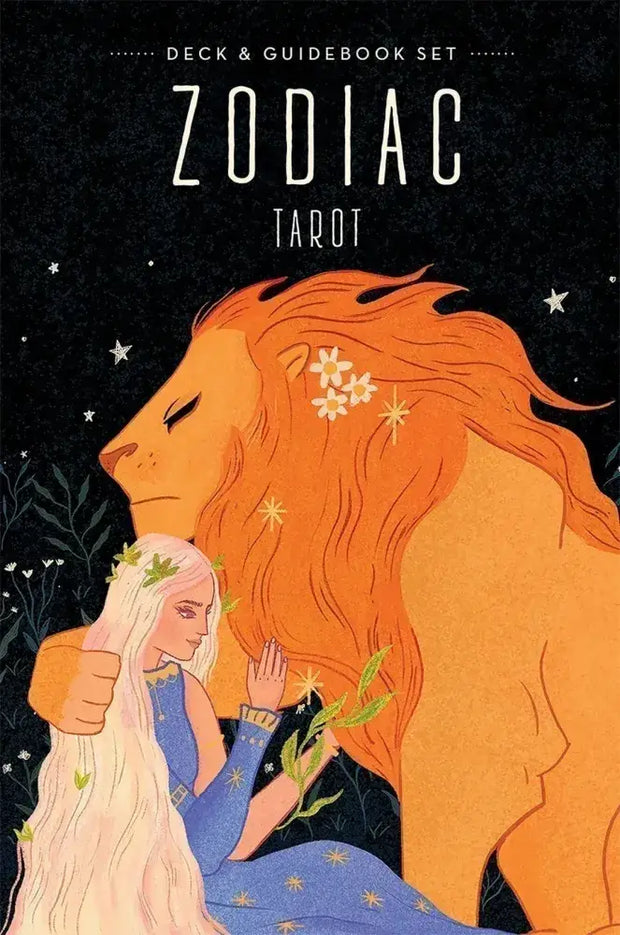
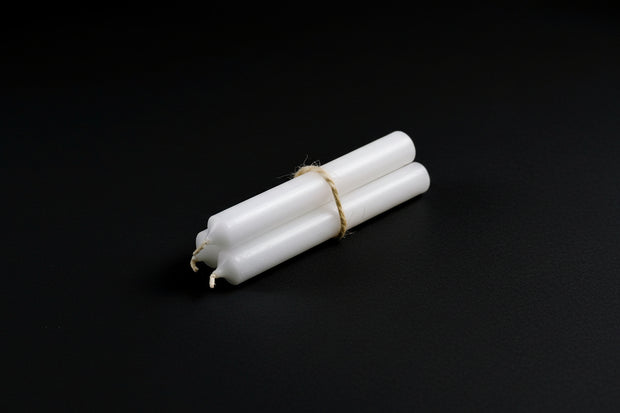
Shop this guide · 2 items Collapse


Keep exploring the shop
You made it to the end of the guide. Keep exploring through related products, major departments, or the full catalog.
 RELATED TO THIS GUIDE
Divination Tools
Shop this topic
RELATED TO THIS GUIDE
Divination Tools
Shop this topic


Leave a comment