


Can Doubt Ruin a Spell? Confidence, Anxiety, Obsession, and Letting Go

A common warning in modern spellwork says that one doubtful thought can ruin an entire ritual. This idea creates a difficult trap: the more someone tries not to doubt, the more they notice every anxious thought. Soon the practitioner is monitoring their mind instead of living their life.
Doubt does not need to be treated as a magical contaminant. It can reveal uncertainty, unclear goals, insufficient preparation, fear of disappointment, or a need for practical information. The useful question is not “Did I think the wrong thought?” but “What is this doubt telling me, and what should I do with it?”
Doubt Is Not the Same as Abandoning the Work
You can perform a sincere ritual while acknowledging uncertainty. Religious faith, magical practice, creativity, relationships, and long-term goals all involve moments of doubt. Commitment means choosing how to act despite uncertainty; it does not require permanent emotional certainty.
A passing thought such as “What if this does not work?” does not erase your materials, intention, preparation, or actions.
What Doubt Can Affect
Even when you do not believe doubt has supernatural power, it can influence behavior. Anxiety may cause you to:
- Repeat the same spell compulsively.
- Change the intention before the situation develops.
- Ask multiple readers the same question.
- Avoid necessary action because failure feels frightening.
- Interpret neutral events as proof of failure.
- Spend money on increasingly elaborate supplies.
- Give control to someone who promises certainty.
The practical consequences are real even when the feared magical consequence is not established.
Confidence Is Helpful, but Perfection Is Not Required
Confidence can help you speak clearly, complete the ritual, and act consistently afterward. It is a working condition—not a purity test. You do not need to produce a particular emotion on command.
Instead of trying to feel absolute belief, aim for a more realistic statement:
“I have chosen this intention, completed the work as carefully as I can, and will support it with appropriate action.”
Four Kinds of Doubt
1. Practical Doubt
You may doubt because the goal depends on factors outside your control or because the plan is incomplete. Respond by gathering information and improving the practical strategy.
2. Ethical Doubt
You may feel uneasy because the spell attempts to control another person, bypass consent, or pursue an outcome you no longer believe is right. Do not silence this doubt. Revise or stop the work.
3. Performance Doubt
You may worry that the wording, candle, timing, tool, or gesture was imperfect. Ask whether the mistake materially changed the ritual. Most small imperfections do not require starting over.
4. Anxiety-Driven Doubt
The question returns no matter how much reassurance you receive. Each answer brings temporary relief, followed by another check. In this case, more divination and ritual may strengthen the cycle. Pause and focus on grounding, daily routines, and support.
Does Talking About a Spell Ruin It?
Some traditions value secrecy as a discipline of focus, privacy, or protection from interference. That is different from claiming that mentioning a working automatically destroys it. Choose confidentiality deliberately rather than fearfully.
Do not allow secrecy to isolate you from people who could help with abuse, fraud, illness, legal problems, or safety concerns.
Does Checking for Results Ruin It?
Observation is not inherently harmful. Compulsive checking is. Decide before the ritual how and when you will evaluate the result. Until then, complete the actions connected to the goal and avoid repeated confirmation readings.
Our guide What Happens After You Cast a Spell? provides a post-spell review method.
How to Respond When Doubt Appears
- Name it: “I am having a doubtful thought.”
- Classify it: Is it practical, ethical, performance-related, or anxiety-driven?
- Take one proportionate step: Research, revise, correct a genuine safety issue, or return to the original plan.
- Stop reassurance-seeking: Do not ask the same question repeatedly.
- Return to ordinary activity: Work, clean, eat, rest, exercise, or speak with someone grounded.
When Recasting Makes Sense
Recasting may be reasonable when:
- The original ritual was interrupted by a genuine safety problem.
- The intention was too broad and has now been clarified.
- The situation changed substantially.
- The original working had a planned repetition schedule.
- The review period ended and you are choosing a revised approach.
Recasting is less useful when the only reason is a brief wave of fear.
Letting Go Without Pretending Not to Care
“Letting go” is often described as never thinking about the goal again. That is unrealistic. A more workable definition is to stop performing the ritual after it has ended and stop demanding immediate proof.
You can care about the outcome while releasing constant mental supervision. Set a review date, put the notes away, and complete the next practical step.
Doubt and Manifestation Culture
Some manifestation teachings claim that negative thoughts attract negative outcomes. Taken rigidly, this can turn ordinary fear, grief, illness, or trauma into evidence that a person caused their own hardship. That is neither fair nor useful.
Thoughts can influence choices and attention, but people do not control every circumstance. Read Why Manifestation Isn’t Working for a broader discussion of intention, action, timing, and reality.
When Doubt Signals a Need for Support
Step back from spellwork when fear is disrupting sleep, work, money, relationships, or self-care. Seek appropriate professional help if intrusive thoughts, panic, compulsive rituals, or repeated reassurance-seeking are difficult to control. Spiritual practice can coexist with therapy and medical care.
Frequently Asked Questions
Can one negative thought reverse a spell?
There is no reason to treat a single thought as an automatic reversal. Evaluate the ritual as a whole and focus on your actions afterward.
Do I have to believe in magic one hundred percent?
No. Practitioners hold many beliefs about how ritual works. You can approach it spiritually, psychologically, symbolically, traditionally, or experimentally.
Should I cleanse myself every time I doubt?
No. Repeated cleansing can become another form of reassurance-seeking. Cleanse according to your normal practice, not every anxious thought.
What if I no longer want the spell?
You can close, revise, or dismantle the working. State that the intention is withdrawn, dispose of materials safely, and stop supporting the goal.
Uncertainty Is Not Failure
A mature practice can contain confidence and doubt at the same time. Listen when doubt reveals an ethical or practical problem, refuse to let anxiety demand endless repetition, and remember that no single passing thought controls your entire life.
Use Structure Instead of Perfectionism
Clear instructions can reduce uncertainty before a working begins. Compare approaches in Spellcraft: A Practical Guide to Magic and The Book of Practical Witchcraft. No book or supply can guarantee results, but a defined method can help separate genuine planning issues from anxiety-driven repetition.
Tools for this practice
Explore the products selected for this guide. Review each listing for what is included and how to use it.
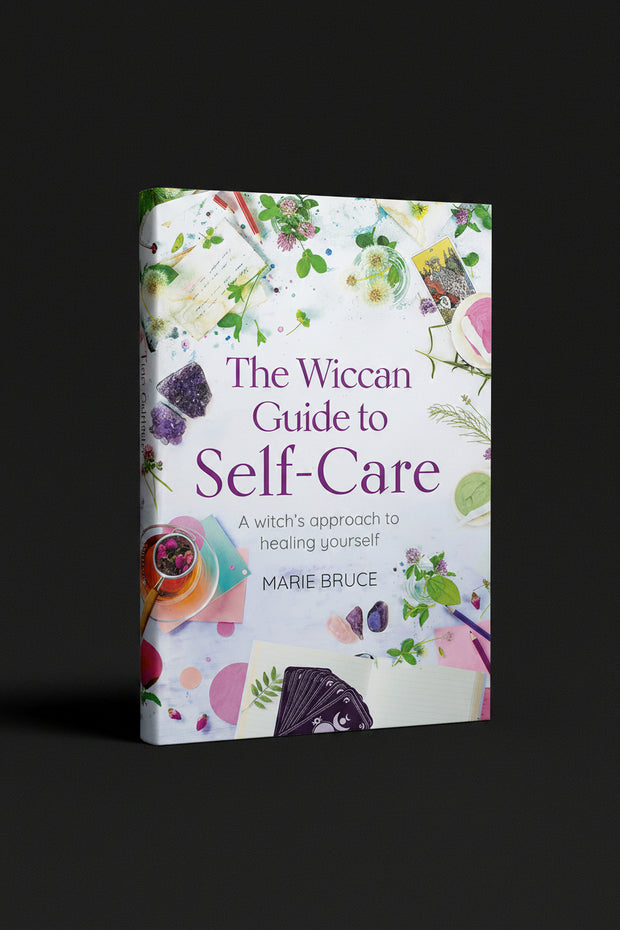
Shop this guide · 2 items Collapse


Keep exploring the shop
You made it to the end of the guide. Keep exploring through related products, major departments, or the full catalog.


Leave a comment