


Can You Burn Resin Incense Without Charcoal? Methods Compared

Yes, resin incense can release fragrance without sitting on a charcoal disc. The practical alternatives are a purpose-built electric resin warmer or a purpose-built tea-light resin burner that applies indirect heat. These methods usually warm the resin more gently, produce less visible smoke, and give the user more control over scent intensity.
They are not permission to improvise with food cookware, beverage cans, random foil structures, candle plates, or an oil warmer whose manufacturer does not approve solid resin.
Charcoal Is Direct Heat; Warmers Use Indirect Heat
A glowing charcoal disc creates a hot surface that melts and chars resin quickly. This produces a strong scent and visible smoke suited to some ritual settings. An electric or tea-light resin warmer keeps the material above the heat source, allowing aromatic compounds to release more gradually.
Neither method is universally better. Choose according to the device instructions, smoke tolerance, room, and desired ritual effect.
Method 1: A Purpose-Built Electric Resin Warmer
An electric resin warmer uses a controlled heating plate or cup. Select a device that explicitly lists resin, bakhoor, or loose incense as an approved material. A wax warmer is not automatically a resin burner, and an essential-oil diffuser should never receive solid resin unless its maker says it can.
- Place the warmer on a level, heat-resistant surface.
- Use the removable cup, liner, or screen specified by the manufacturer.
- Begin at the lowest approved setting.
- Add one small piece of resin and allow time for the aroma to develop.
- Turn the device off and let every component cool before cleaning.
Method 2: A Purpose-Built Tea-Light Resin Burner
A tea-light resin burner holds resin on an elevated metal screen or dish above a candle. Adjustable designs change the distance between flame and resin to control heat. The device must be designed for this purpose; a standard oil burner may place the bowl too close to the flame or use materials not intended for sticky resin.
Use only the candle size specified by the burner. Never substitute a taller votive, multiple tea lights, or an open flame directly beneath improvised foil. Set the height before lighting, and do not adjust hot metal with bare hands.
Method 3: A Manufacturer-Approved Indirect-Heat Plate
Some traditional and specialty incense systems use a mica plate, metal dish, or screen to separate resin from charcoal. This still uses charcoal, but the resin receives indirect rather than direct heat. Use only the plate and arrangement intended for that burner; a random shard, stone, or foil layer can tip, melt, or trap heat unpredictably.
Methods to Avoid
- Do not heat resin in a microwave, toaster oven, cooking pan, or appliance used for food.
- Do not place resin directly in a candle flame.
- Do not build a burner from cans, plastic, painted metal, or unknown adhesives.
- Do not pour essential oil, ritual oil, alcohol, or perfume onto a hot surface.
- Do not assume a decorative oil warmer is approved for resin.
- Do not leave electric or candle-heated resin unattended.
Charcoal vs. Charcoal-Free Resin Burning
| Method | Typical result | Best reason to choose it |
|---|---|---|
| Charcoal disc | Fast heat, strong aroma, more smoke | Short, smoke-forward ritual use with a proper charcoal setup |
| Electric resin warmer | Steady controllable heat, less visible smoke | Longer fragrance sessions and precise heat control |
| Tea-light resin burner | Gentler heat with an open candle flame | Charcoal-free use without an electric device |
| Indirect plate over charcoal | Charcoal heat with less direct charring | A softer scent while retaining a traditional charcoal setup |
Does Charcoal-Free Mean Smoke-Free?
Not necessarily. Resin can still smoke if it becomes too hot, and a tea light is still a combustion source. Electric warming generally creates less smoke than direct charcoal, but ventilation and moderation still matter. Stop the session if the resin produces an acrid odor, heavy smoke, or irritation.
Choosing Resin for Indirect Heat
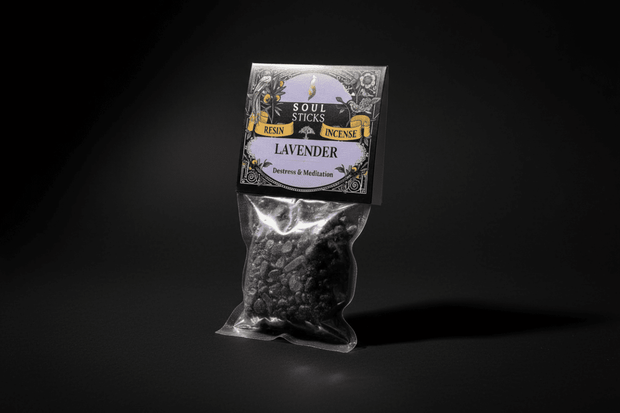
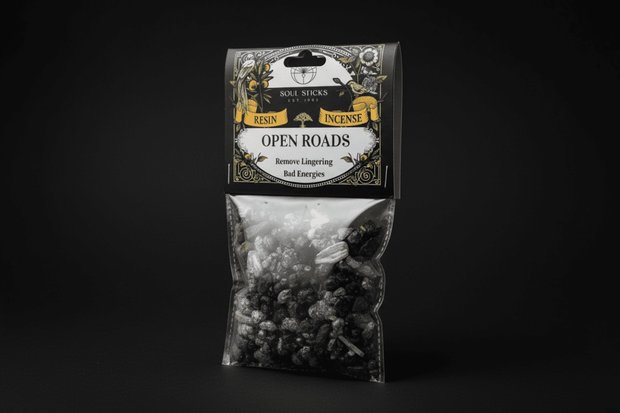
Resins vary in hardness, melting behavior, and aroma strength. Begin with one small piece and low heat. The Lavender Resin Incense and Open Roads Resin Incense can be used only with a warming system whose manufacturer approves natural resin.
If you prefer direct charcoal, use the complete method in How to Use Charcoal Discs for Resin Incense.
Frequently Asked Questions
Can I use an essential-oil burner for resin?
Only when its manufacturer explicitly approves resin or loose incense. Oil burners vary in bowl material, flame distance, and temperature.
Can I put resin in water or carrier oil?
Do not add water or oil unless the resin burner's instructions call for that exact method. Heated oil adds spill and fire hazards, and water can spit as it evaporates.
Will resin melt completely?
Some resins soften into a sticky pool; others leave bark, plant particles, or hardened residue. A remaining solid does not necessarily mean the resin released no aroma.
Is a tea-light method safer than charcoal?
It avoids a glowing charcoal tablet but still uses an open flame and a hot burner. It requires the same attention to stability, heat-resistant surfaces, ventilation, and supervision.
Which method produces the strongest smoke?
Direct charcoal generally produces the fastest, most smoke-forward result. Indirect heat is usually gentler and easier to control.
Related Reading
Tools for this practice
Explore the products selected for this guide. Review each listing for what is included and how to use it.
Shop this guide · 2 items Collapse


Keep exploring the shop
You made it to the end of the guide. Keep exploring through related products, major departments, or the full catalog.
 RELATED TO THIS GUIDE
Candles & Incense
Shop this topic
RELATED TO THIS GUIDE
Candles & Incense
Shop this topic


Leave a comment