


Imbolc Candlelight Rituals: Welcoming Brigid and the First Light of Spring

“Strike the match, stir the light—beneath the frost, life begins to move.”
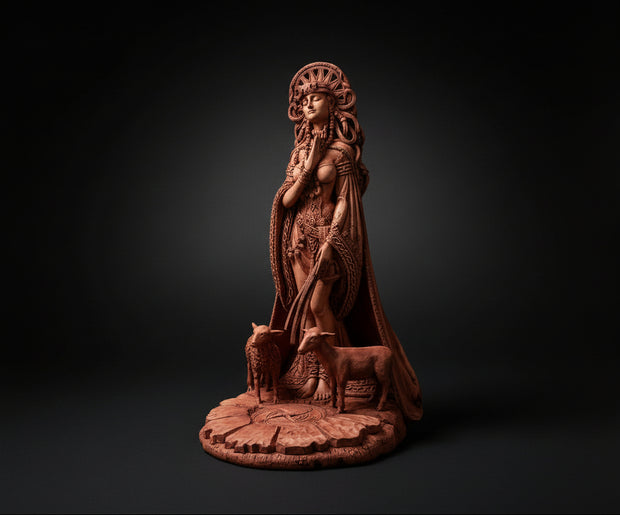
Imbolc is a seasonal festival commonly observed around February 1 or 2 in the Northern Hemisphere. Modern Pagan celebrations often focus on the first signs of spring, household renewal, creative inspiration, and the goddess Brigid.
What Is Imbolc?
Imbolc has roots in Gaelic seasonal tradition and is associated in modern practice with Brigid, hearth fire, poetry, healing, smithcraft, and the gradual return of light. Contemporary observances combine historical inspiration, reconstruction, and newer Pagan customs.
Why Candles Are Used at Imbolc
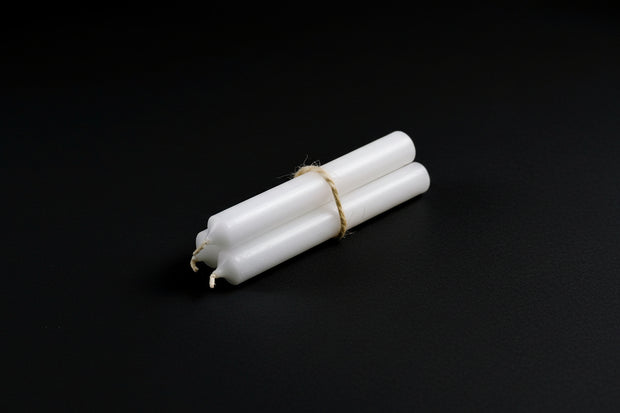
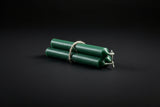
Candles symbolize returning light, inspiration, warmth, and the household hearth. A white candle may represent renewal and clarity, while red or gold may represent vitality, creative fire, and Brigid’s flame.
A Simple Imbolc Candlelight Ritual
What You Need
- One white or cream candle, or an LED candle
- One red or gold candle, or a second LED candle
- A bowl of ordinary clean water
- A journal and pen
- An optional Brigid’s cross, seed packet, or seasonal symbol
Ritual Steps
- Clear and clean the ritual surface.
- Light or switch on the white candle and say: “Light returns, and my path becomes clearer.”
- Light or switch on the red candle and name one creative or practical goal.
- Place your hands near the bowl of water and reflect on what you are ready to refresh.
- Write one action you will take before the next seasonal turning.
- Close the ritual and fully extinguish any flame.
Other Ways to Observe Imbolc
- Make a Brigid’s cross from paper, rushes, or another suitable material.
- Clean the hearth, kitchen, altar, or entryway.
- Plant seeds indoors according to their growing requirements.
- Write poetry, begin a craft project, or support a local creative community.
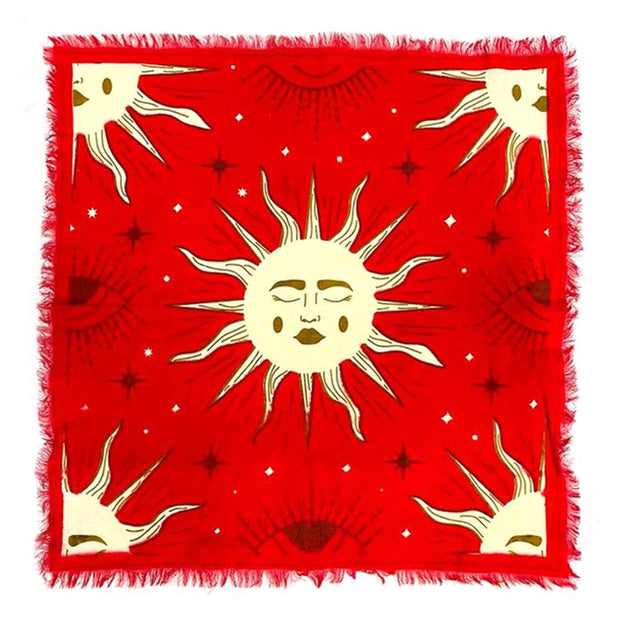
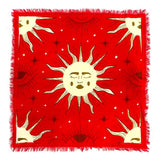
- Create a seasonal altar with candles, seeds, white cloth, and spring imagery.
Modern Imbolc Correspondences
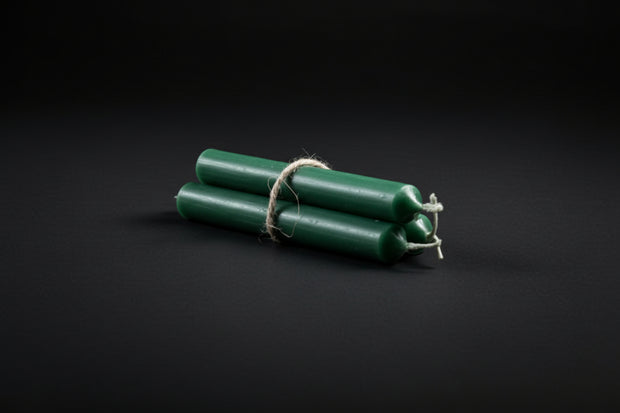
- Colors: White, red, gold, and pale green
- Symbols: Flame, hearth, well, seed, sunrise, and Brigid’s cross
- Stones: Garnet, sunstone, citrine, and clear quartz
- Themes: Renewal, inspiration, purification, and early growth
Frequently Asked Questions
When is Imbolc celebrated?
Many Northern Hemisphere practitioners observe it around February 1 or 2. Southern Hemisphere seasonal calendars may place it around August 1.
Is Imbolc always dedicated to Brigid?
Brigid is central to many observances, but some practitioners focus more broadly on seasonal light, household renewal, or early spring.
Can Imbolc be celebrated without candles?
Yes. Electric lights, sunrise observation, cleaning, poetry, seed planting, and journaling can form a complete observance.
Related Reading
Tools for this practice
Explore the products selected for this guide. Review each listing for what is included and how to use it.
Shop this guide · 4 items Collapse


Keep exploring the shop
You made it to the end of the guide. Keep exploring through related products, major departments, or the full catalog.


Leave a comment