


The Complete Life Cycle of a Spell Jar: Making, Feeding, Recharging, Opening, and Disposing

A spell jar is not only something you assemble and forget. For many practitioners, it has a complete working life: it is planned, built, activated, observed, maintained, and eventually retired. Knowing what to do after the lid is sealed prevents a common beginner problem—keeping every jar forever because you are unsure whether opening or disposing of it will somehow undo the work.
This guide treats spell jars as symbolic ritual containers rather than guaranteed mechanisms. Your ingredients, timing, and maintenance can help you focus intention, but they do not replace practical action. For beginner recipes and ingredient ideas, begin with our Spell Jar Recipes for Beginners.
1. Define the Jar Before You Fill It
A useful jar begins with a narrow purpose. “Improve my entire life” is difficult to measure and maintain. “Support disciplined saving for the next three months” or “help this home feel calmer after a stressful move” gives the ritual a clear role.
- Name the purpose: Write one sentence explaining what the jar represents.
- Name your part: Record the real-world actions you will take alongside it.
- Choose a duration: Decide whether the work is for a week, a season, a specific goal, or an ongoing household practice.
- Plan the ending: Decide in advance what will tell you the jar is complete.
2. Build With Function, Not Ingredient Quantity
More ingredients do not automatically create a better jar. Select a few materials whose symbolism you understand. A written petition can state the purpose. Herbs, stones, coins, thread, color, and wax can reinforce the theme. Avoid combining materials merely because a social-media list says they are “powerful.”
Consider physical safety as well. Do not seal fresh plants or wet ingredients in a jar you intend to keep; moisture can encourage mold or pressure. Avoid unknown powders, bodily fluids, flammable liquids, and reactive chemical mixtures. Keep jars away from children and animals, and label anything that could be mistaken for food or medicine.
3. Activate the Jar
Activation is the moment when the assembled object becomes part of your practice. Different traditions use prayer, spoken charms, breath, candlelight, shaking, drumming, visualization, or placement on an altar. The method matters less than clarity and consistency.
State the jar’s purpose, name the actions you will take, and place it somewhere appropriate. A money jar might sit near a budget book rather than hidden in a forgotten box. A household-protection jar may be placed near an entryway, provided it is secure and discreet.
4. What Does It Mean to “Feed” a Spell Jar?
Practitioners sometimes “feed” a jar by adding attention or a small symbolic offering. This does not require continually opening it. Feeding may include:
- Holding the jar while repeating its intention.
- Shaking or turning it gently.
- Lighting a candle nearby rather than on the lid.
- Adding a coin, written update, or drop of suitable oil only when the jar was designed to be reopened safely.
- Taking the practical action associated with the jar—making a savings deposit, submitting an application, cleaning the protected space, or having a needed conversation.
The last option is often the most meaningful. A ritual object should support the work, not become a substitute for it.
5. Recharge, Refresh, or Leave It Alone?
You do not need to recharge a jar on a fixed schedule unless that rhythm is part of your tradition. Use the jar’s purpose and condition as your guide.
- Leave it alone when the work is active, the jar is intact, and regular handling would create more anxiety than focus.
- Refresh it when you are recommitting to the same goal and the original contents remain safe and relevant.
- Rebuild it when the goal has changed, the contents have spoiled, the container is damaged, or the jar has become cluttered with unrelated additions.
- Retire it when the goal is complete, no longer desired, or no longer healthy for you to pursue.
6. Can You Open a Sealed Spell Jar?
Yes. Opening a jar does not automatically cause harm or erase everything you did. A wax seal is a ritual symbol and a physical closure, not an irreversible contract. Open it deliberately and safely.
If you are continuing the same working, restate the purpose before opening, make only the needed change, and close it again. If you are ending the working, acknowledge that the jar has completed its role before disassembling it. Wear gloves when ingredients are irritating, moldy, sharp, or unknown, and never inhale spoiled contents.
7. Signs a Jar Should Be Retired
- The stated goal has been reached or abandoned.
- The jar now represents fear, obsession, or constant checking.
- The ingredients have molded, leaked, rusted, fermented, or attracted pests.
- The container is cracked or the lid is bulging.
- You no longer consent to the original intention.
- The working concerned a relationship or situation that has ended.
A jar does not need to be kept indefinitely to prove that your practice was sincere.
8. How to Dispose of a Spell Jar Responsibly
Separate ritual meaning from environmental responsibility. Do not bury glass, wax, salt, metal, glitter, oils, or unknown herbs outdoors. Do not throw contents into streams, crossroads, graveyards, public land, or another person’s property.
- State that the working is complete.
- Open the jar carefully.
- Sort reusable stones, coins, charms, and containers.
- Place unsafe, spoiled, waxed, salted, or noncompostable contents in household trash.
- Compost only clean plant material that is genuinely safe for your compost system.
- Wash and reuse the jar if the materials permit it.
Disposal can still be ceremonial. You may ring a bell, speak a closing phrase, write down what you learned, or clean the container as a final act.
9. What if the Jar Was for Protection, Banishing, or Binding?
Protective jars can be maintained while the need remains, but they should not become objects you fear touching. Banishing or binding work deserves an especially clear end condition. Ask what practical boundary, safety plan, legal step, or communication accompanies the ritual. When the situation changes, retire or revise the jar rather than allowing it to preserve an old conflict indefinitely.
10. A Simple Closing Method
Hold the jar and say, in your own words: “This work has reached its end. I release the intention, keep the lesson, and return these materials to ordinary use or responsible disposal.” Disassemble it, clean the space, and record the result in your journal.
Frequently Asked Questions
Does a spell jar lose power over time?
Some practitioners believe attention strengthens a working; others intentionally leave jars undisturbed. More practically, your connection to the goal may change over time. Review whether the jar still supports useful action and whether its physical contents remain safe.
Will breaking the wax seal reverse the spell?
Not automatically. You can treat opening as maintenance, revision, or closure. Your stated purpose and method determine the meaning.
Can I reuse the jar?
Yes, when it can be cleaned safely. Do not reuse a container that held toxic, spoiled, reactive, or unidentified materials.
Should I keep every completed jar?
No. Photograph it or preserve the petition in your journal when you want a record without accumulating containers.
The Jar Is a Tool, Not a Life Sentence
A healthy spell-jar practice includes permission to change your mind. Build intentionally, maintain only when useful, and close the working responsibly. The ritual gains structure when you know from the beginning how it will eventually end.
Build a Safe, Intentional Spell Jar
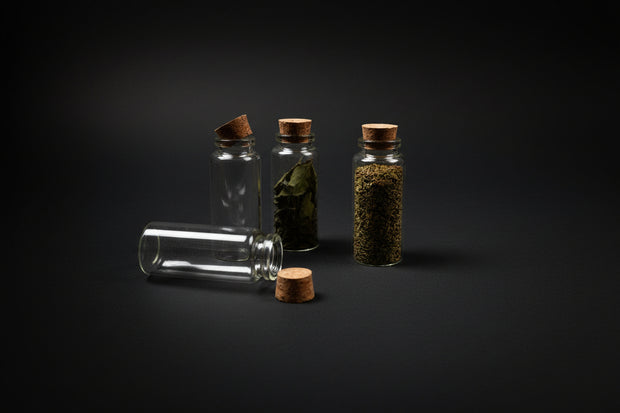
Choose suitable containers and clearly identified materials from our Ritual Bottles & Apothecary Jars, Ritual Herbs, and Ritual Oils collection. Use only stable, nonreactive contents and plan safe disposal before sealing the jar.
Tools for this practice
Explore the products selected for this guide. Review each listing for what is included and how to use it.
Shop this guide · 4 items Collapse


Keep exploring the shop
You made it to the end of the guide. Keep exploring through related products, major departments, or the full catalog.
 RELATED TO THIS GUIDE
Ritual Supplies & Altar Tools
Shop this topic
RELATED TO THIS GUIDE
Ritual Supplies & Altar Tools
Shop this topic


Leave a comment