


Godless Pantheism for Modern Minds

Godless pantheism, non-theistic pantheism, and religious naturalism describe approaches that treat the universe, nature, or reality as sacred without worshiping personified gods. The practice can remain ritualistic, ethical, emotional, and distinctly Pagan.
What Is Godless Pantheism?
Non-theistic pantheists may use the word divine literally, poetically, philosophically, or religiously. What unites them is the view that sacred value does not depend on an external creator or personal deity.
Common Principles
- The natural universe is worthy of reverence.
- Sacredness can be immanent within matter, life, time, and change.
- Meaning can arise through relationship, awareness, community, and participation.
- Ritual does not require a supernatural listener.
- Ethics can be grounded in consequences and interdependence.
Why a Godless Path Can Still Be Pagan
Paganism includes more than deity worship. Modern Pagan paths may center seasonal cycles, sacred nature, ritual, ancestors, community, land, magic, philosophy, or embodied life. Some traditions are strongly polytheistic; others are pantheistic, animistic, agnostic, atheopagan, or eclectic.
No one definition covers every Pagan community, so practitioners should describe their own path accurately rather than treating one theology as mandatory.
Ritual Without Gods
Ritual can mark change, focus attention, build community, create memory, express grief, or cultivate gratitude even when no deity is addressed.
- Observe sunrise, sunset, moon phases, and seasons.
- Light a safe candle or LED light to mark the beginning of reflection.
- Meditate on interdependence, mortality, or ecological systems.
- Create art, music, poetry, or ceremony around natural cycles.
- Hold memorials and ancestor remembrances without claims about an afterlife.
- Practice conservation, gardening, repair, or mutual aid as sacred work.
Godless Pantheism and Animism
A non-theistic pantheist may also be animist, but the two positions are different. Pantheism focuses on sacred reality as a whole. Animism focuses on relationships with persons, spirits, or presences within the world. Some practitioners combine them; others interpret nature impersonally.
Ethics Without Divine Command
Ethical responsibility can arise from the fact that actions affect real people, animals, ecosystems, communities, and future conditions. A sacred universe does not need a supernatural judge for harm to matter.
- Reduce unnecessary harm.
- Respect consent and boundaries.
- Consider environmental and social consequences.
- Repair damage when possible.
- Use evidence and expertise for medical, legal, financial, and safety decisions.
Daily Godless Pagan Practice
- Pause before meals to recognize ecological and human labor.
- Notice local species and seasonal change.
- Keep a nature, gratitude, or mortality journal.
- Mark important life transitions with personal ceremony.
- Care for objects, spaces, and relationships rather than treating them as disposable.
- Study science and history as ways of understanding sacred reality.
Frequently Asked Questions
Is godless pantheism just atheism?
It may be compatible with atheism, but it adds a religious, sacred, philosophical, or ritual relationship with reality as a whole.
Can non-theistic Pagans use magic?
Yes. Some understand magic psychologically, symbolically, artistically, socially, or as ritualized intention rather than supernatural intervention.
Can a non-theistic pantheist participate in deity-centered Pagan spaces?
Often yes, provided participants communicate their beliefs respectfully and follow the community’s expectations.
Related Reading
Tools for this practice
Explore the products selected for this guide. Review each listing for what is included and how to use it.
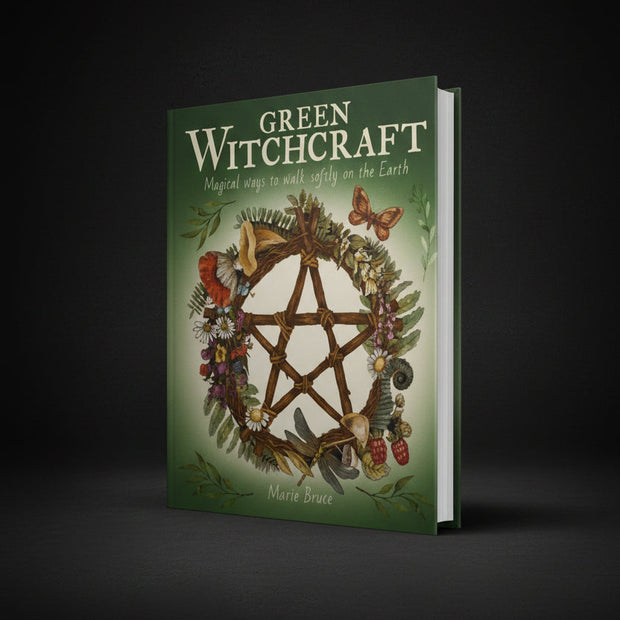
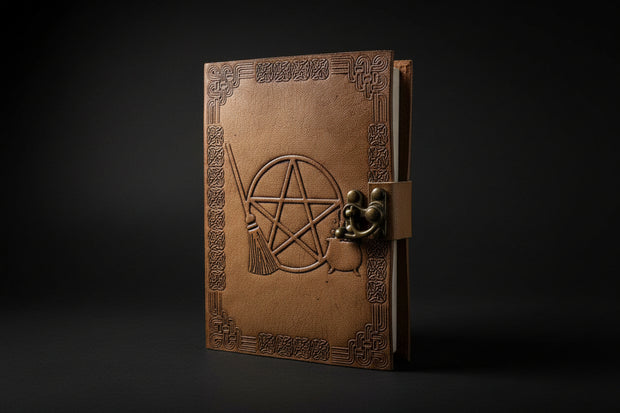

Shop this guide · 3 items Collapse

Keep exploring the shop
You made it to the end of the guide. Keep exploring through related products, major departments, or the full catalog.


Leave a comment