


Spiritual Awakening or Sleep Disruption? Stress, Hypnagogia, and When to Get Help

Intense spiritual periods can include awe, emotional release, vivid dreams, a changed sense of identity, and a feeling that ordinary life has become unusually meaningful. They can also occur alongside insomnia, anxiety, grief, medication effects, substance use, sleep paralysis, or other health concerns. Because the experiences may feel profound, people sometimes label everything a “spiritual awakening” before checking whether their body and mind need care.
This article does not diagnose any condition and does not tell you that your spiritual interpretation is wrong. It provides a safety-first framework for distinguishing reflective spiritual growth from sleep-transition experiences, escalating distress, and symptoms that deserve professional attention.
What People Mean by “Spiritual Awakening”
The phrase has no single clinical or religious definition. People use it for a major shift in beliefs, values, priorities, identity, or sense of connection. A constructive period of change may include questioning old assumptions, seeking community, grieving past choices, developing a practice, or feeling more responsible for how you live.
Healthy spiritual development generally leaves room for sleep, relationships, work, consent, critical thinking, and medical care. It does not require you to treat every thought as revelation or every coincidence as an instruction.
What Are Hypnagogic and Hypnopompic Experiences?
Hypnagogic experiences occur while falling asleep. Hypnopompic experiences occur while waking. People may briefly hear a voice, see a shape, feel a presence, experience a sudden image, or have dreamlike thoughts while partly awake. Sleep-related hallucinations are documented in the general population and are not automatically evidence of psychosis or spiritual contact.
They can be startling, especially when combined with sleep paralysis. Record when they occur: only at sleep onset, only on waking, or during full daytime wakefulness. Timing is important information to share with a health professional.
Sleep Loss Can Intensify Unusual Experiences
Insufficient sleep can affect mood, concentration, judgment, and perception. The CDC notes that adults generally need at least seven hours of sleep and that sleep deprivation is linked with mental and physical health problems. Severe sleep loss can contribute to confusion and hallucinations.
Do not use all-night rituals, deliberate sleep deprivation, or stimulant-heavy practices to “open” yourself spiritually. A practice that repeatedly destroys sleep is not harmless simply because it has a sacred explanation.
A Four-Part Reality Check
1. Timing
Does the experience happen only while falling asleep or waking, after an all-nighter, or during periods of disrupted sleep? Or does it continue while you are fully awake and rested?
2. Function
Can you still eat, sleep, work, care for yourself, manage money, and maintain relationships? A spiritual framework should not hide a rapid decline in daily functioning.
3. Flexibility
Can you consider more than one explanation? Can you say, “This felt spiritual, and I will also check sleep, stress, medication, and health factors”? Losing the ability to question an interpretation is a warning sign.
4. Safety
Are you being told—by a voice, reader, online group, or your own interpretation—to harm yourself or someone else, stop necessary medication, give away money, isolate, drive while exhausted, or perform dangerous acts? Treat safety as more important than spiritual obedience.
When to Seek Professional Help
Contact a qualified health professional when experiences are new, persistent, frightening, getting worse, happening while fully awake, or interfering with ordinary life. Seek urgent help when you:
- Hear commands to harm yourself or another person.
- Feel unable to keep yourself safe.
- Become severely agitated, confused, or unable to communicate clearly.
- Go for extended periods with very little sleep and feel increasingly energized, impulsive, or disorganized.
- Cannot distinguish a dream, belief, or perception from shared reality.
- Experience a sudden major change after starting, stopping, or changing medication or substances.
In the United States, call or text 988 for immediate crisis support, or call 911 in a life-threatening emergency. You can also review the National Institute of Mental Health’s guidance on when to seek help and its overview of psychosis and early warning signs.
Medical Care Does Not Cancel Spiritual Meaning
You do not have to decide between “spiritual” and “medical” before accepting help. A person can hold religious beliefs, value mystical experiences, and still consult a doctor, therapist, sleep specialist, or crisis service. Treatment does not automatically erase faith; it can restore the stability needed to practice responsibly.
How to Ground Without Feeding Fear
- Return to a consistent sleep and wake schedule.
- Eat regular meals and drink water.
- Reduce intoxicants and excessive caffeine.
- Pause divination, channeling, fasting, and high-intensity ritual for several days.
- Write observations in plain language without assigning immediate supernatural meaning.
- Talk with a trusted person who is calm and willing to question you respectfully.
- Spend time in ordinary activities: cleaning, walking, work, hobbies, and conversation.
Our Spiritual Protection for Beginners guide includes grounding and boundaries, but protection rituals should not replace medical assessment when symptoms are severe.
Questions to Ask a Spiritual Teacher or Community
- Do they encourage sleep, nutrition, medical care, and consent?
- Can members disagree without being threatened or shamed?
- Do leaders claim every concern is spiritual attack?
- Are costly cleansings or escalating initiations presented as the only solution?
- Are people told to stop medication or cut off nonbelieving family?
- Does the group treat the leader as the only person capable of interpreting your experiences?
A community that punishes reality checking is not made safer by spiritual language.
What a Sustainable Awakening Looks Like
Constructive change tends to become more integrated over time. You may still feel challenged, but you develop clearer values, better boundaries, deeper humility, and more capacity to live your responsibilities. You do not need to remain in permanent crisis to prove that transformation is real.
Frequently Asked Questions
Are voices while falling asleep always dangerous?
No. Brief sleep-transition experiences can occur in people without a psychotic disorder. However, repeated, distressing, daytime, commanding, or worsening voices deserve medical evaluation.
Can meditation make unusual experiences stronger?
Intensive practice can affect attention, emotion, and sleep. Reduce or stop the practice when it increases distress or disorientation, and seek qualified guidance rather than forcing yourself through it.
What if someone tells me seeking help will “lower my vibration”?
That claim can discourage necessary care. Ethical spiritual guidance does not demand that you risk your safety to preserve an image of spiritual purity.
Can I continue ritual while getting help?
Often, yes, provided the practices are safe, stabilizing, and discussed honestly with your care team. Choose simple routines over fasting, sleep deprivation, substances, or attempts to provoke visions.
Discernment Includes Your Health
A grounded spiritual life can tolerate evidence, uncertainty, rest, and professional care. Protecting your sleep and seeking help when needed are not failures of faith. They are acts of responsibility.
Optional Grounding Resources
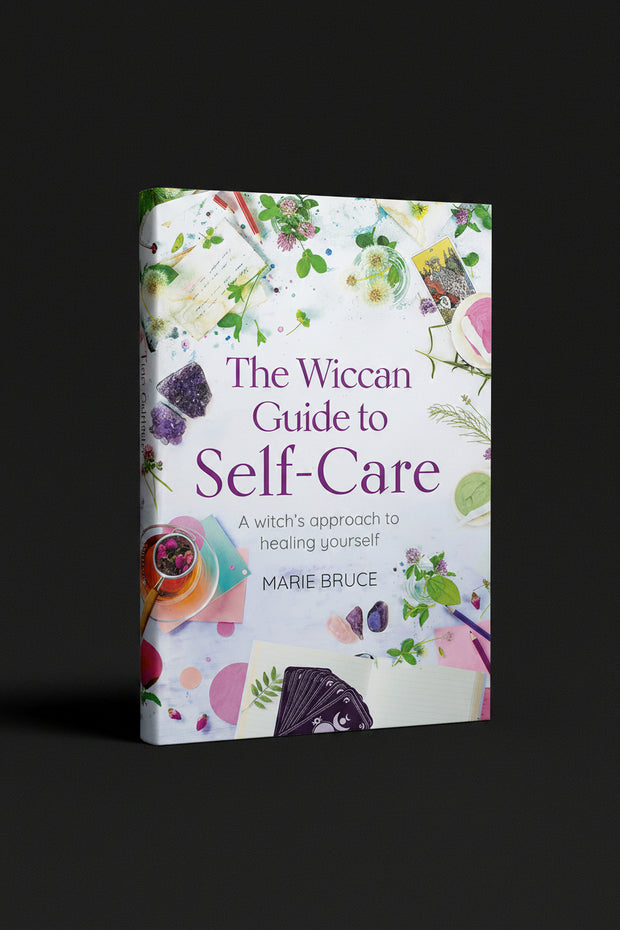
For gentle self-care and low-intensity reflection, see Wiccan Guide to Self-Care and our Altar Tools collection. These resources are optional supports, not treatment for insomnia, hallucinations, mania, psychosis, or crisis symptoms.
Tools for this practice
Explore the products selected for this guide. Review each listing for what is included and how to use it.

Shop this guide · 3 items Collapse


Keep exploring the shop
You made it to the end of the guide. Keep exploring through related products, major departments, or the full catalog.


Leave a comment