


Is Manifestation Witchcraft? Witchcraft vs. Manifestation Explained

No—manifestation is not automatically witchcraft. The two can overlap because both may use intention, visualization, repeated statements, candles, crystals, moon timing, or symbolic acts, but the framework matters. Witchcraft is a broad category of ritual, folk, spiritual, magical, and sometimes religious practices. Manifestation is usually a method of focusing on a desired outcome and pairing that focus with belief, attention, reflection, or action.
If you are asking whether manifesting counts as witchcraft, the answer depends on how you are doing it. Writing a goal, making a vision board, or visualizing an outcome can be completely secular. Using those same techniques inside spellwork may make them part of a witchcraft practice.
The Law of Attraction is one particular belief system within the larger manifestation conversation—not a universal law of witchcraft. Likewise, witchcraft cannot be reduced to “manifesting what you want.” Many traditions and practices have purposes that are devotional, protective, divinatory, communal, customary, or relational rather than outcome-focused.
Manifestation vs. Witchcraft at a Glance
- Manifestation: Usually centers on a desired outcome through intention, visualization, affirmations, journaling, goal-setting, or related methods.
- Witchcraft: Can include spells and intention-setting, but may also include protection, divination, folk customs, spirit or deity work, seasonal observance, ancestor practices, blessing, cursing, or other ritual work.
- The overlap: A manifestation method can be used inside witchcraft, but using an intention-setting technique does not automatically make a person a witch or a practice witchcraft.
What Is Witchcraft?
Witchcraft is a broad category rather than one standardized religion. Depending on the practitioner, it may involve folk magic, ceremonial methods, spirit work, divination, herbal practice, prayer, ancestor traditions, religious devotion, household customs, symbolic ritual, or secular psychological techniques.
Some witches use manifestation language. Others reject it. Some believe magic acts through spirits, relationships, fate, divine powers, natural forces, probability, psychology, community tradition, or combinations of these ideas.
What Does Manifestation Mean?
Manifestation generally means clarifying a desired outcome and using practices such as visualization, affirmations, journaling, goal-setting, emotional rehearsal, or ritual to move toward it. In its most practical form, it can help a person define priorities and notice opportunities.
Problems arise when manifestation is presented as total control over reality: the claim that thoughts alone determine wealth, illness, safety, relationships, or every event that occurs.
What Is the Law of Attraction?
The Law of Attraction is commonly summarized as “like attracts like.” Supporters may teach that thoughts, emotions, or personal vibration draw matching events into a person’s life. Interpretations vary widely—from a motivational metaphor to a literal cosmic mechanism.
It should not be treated as a proven explanation for why people experience poverty, disability, abuse, discrimination, illness, disaster, or loss. Complex events involve material conditions, other people’s choices, chance, systems, biology, and circumstances beyond individual control.
Where Witchcraft and Manifestation Overlap
- Intention: Both often begin by defining a goal.
- Symbolism: Colors, images, words, objects, and timing may reinforce focus.
- Visualization: Practitioners may mentally rehearse an outcome or state.
- Repetition: Chants, affirmations, repeated rituals, or journaling can sustain attention.
- Emotional engagement: Both may use emotion to make a goal feel immediate and meaningful.
- Action: Grounded versions connect inner work to concrete behavior.
Where They Differ
Witchcraft may involve reciprocal relationships with deities, ancestors, spirits, land, community, or inherited custom. It may include protection, divination, healing symbolism, cursing, blessing, seasonal observance, initiation, or devotion that is not centered on acquiring a desired outcome.
Manifestation content is often more individual and goal-focused. It commonly emphasizes mindset, visualization, attraction, and personal identity. That does not make it invalid; it means it should not replace the full diversity of witchcraft traditions.
Is Every Spell a Manifestation?
No. A spell may express grief, honor the dead, protect a home, mark a transition, seek divination, maintain a relationship with a spirit, or fulfill a customary practice. Reducing every ritual to “getting what you want” removes religious, communal, and cultural meaning.
Is Every Manifestation Practice Witchcraft?
No. Manifestation can be part of witchcraft when a practitioner deliberately uses it as spellwork, but goal-setting, visualization, affirmations, and vision boards can also be used in secular coaching, sports, business, therapy-adjacent self-help, religion, or personal planning. The tool alone does not determine the tradition or framework around it.
The Problem of Toxic Positivity
Toxic positivity appears when a demand for positive thinking leaves no room for grief, anger, fear, uncertainty, injustice, or realistic limits. In manifestation communities, it may sound like:
- “You attracted this because your vibration was low.”
- “Talking about the problem gives it power.”
- “You must act as if you are already healed.”
- “Doubt is the only reason it has not happened.”
- “People who fail simply did not believe enough.”
These statements can turn suffering into personal blame and silence people who need practical help.
Positive Thinking vs. Denial
Hope can support action. Denial avoids necessary information. A grounded practice can say both:
“I am working toward a better outcome, and I will honestly assess the obstacles, risks, and support I need.”
You do not need to pretend a debt is paid, an illness is gone, or a relationship is healthy before evidence supports that conclusion.
Manifestation and Consent
Goals involving another person require special care. Visualizing a specific person’s obedience, affection, return, or sexual interest does not remove their agency. A more ethical intention focuses on reciprocal opportunity, clear communication, compatible partnership, or your own readiness.
Witchcraft traditions disagree about coercive magic, but calling a controlling goal “manifestation” does not erase the ethical question.
A Grounded Intention-to-Action Method
- Name the desired condition: Be specific without pretending to control every detail.
- Identify what you control: Skills, applications, boundaries, communication, budgeting, study, or preparation.
- Identify what you do not control: Other people, institutions, timing, chance, biology, and wider conditions.
- Choose a ritual or reflective practice: Candle, journal, prayer, sigil, visualization, altar work, or meditation.
- Choose measurable action: Complete one step within a defined period.
- Set a review date: Evaluate evidence rather than mood alone.
- Revise without self-blame: Change the plan when reality provides new information.
When Manifestation Becomes Harmful
Pause when the practice causes you to:
- Ignore medical, legal, financial, or safety advice.
- Spend beyond your means on coaching, rituals, or supplies.
- Blame yourself for abuse, illness, or structural hardship.
- Suppress every difficult emotion.
- Repeat affirmations compulsively to prevent feared outcomes.
- Believe you can control another person’s consent.
- Avoid action because “the universe will deliver.”
Our article Why Manifestation Isn’t Working offers a practical troubleshooting framework.
Can You Use Both?
Yes. A witch may use visualization, affirmations, and goal-setting without adopting every Law of Attraction claim. A manifestation practitioner may use candles or moon timing without joining a witchcraft tradition. Be clear about which ideas you are using and avoid presenting a personal blend as universal history.
For a concrete example of manifestation used in a ritual setting, see our New Moon Manifestation Spells guide.
Frequently Asked Questions
Is manifestation a form of witchcraft?
Not automatically. Manifestation can be incorporated into witchcraft when it is intentionally used as spellwork, but secular visualization, affirmations, vision boards, and goal-setting are not inherently witchcraft.
Is manifestation witchcraft if I use candles or crystals?
Not necessarily. Candles and crystals can appear in witchcraft, religious practice, meditation, décor, or secular intention-setting. The object does not define the practice by itself; the method, purpose, and framework matter.
Is manifestation cultural appropriation?
The general act of setting intentions is not owned by one culture. Problems can arise when specific ceremonial practices, sacred teachings, or Indigenous and religious traditions are stripped of context and marketed as generic manifestation techniques.
Can negative emotions block a goal?
Fear, grief, and anger can affect decisions and energy, but they do not make you morally or cosmically responsible for every bad event. Address emotions honestly rather than treating them as contaminants.
Is a vision board a spell?
It can be used as part of spellwork, but it can also be an ordinary planning tool. The meaning depends on the framework and intention.
Do affirmations work if I do not believe them?
Use statements that are credible enough to guide action. “I am taking steps toward stability” may be more useful than repeating a claim your mind rejects completely.
Intention Matters, but Reality Still Exists
Witchcraft and manifestation can overlap without becoming the same thing. Use intention to clarify direction, ritual to create meaning, and action to participate in change. Leave room for uncertainty, difficult emotion, other people’s agency, and circumstances no individual can control.
Compare the Two Approaches
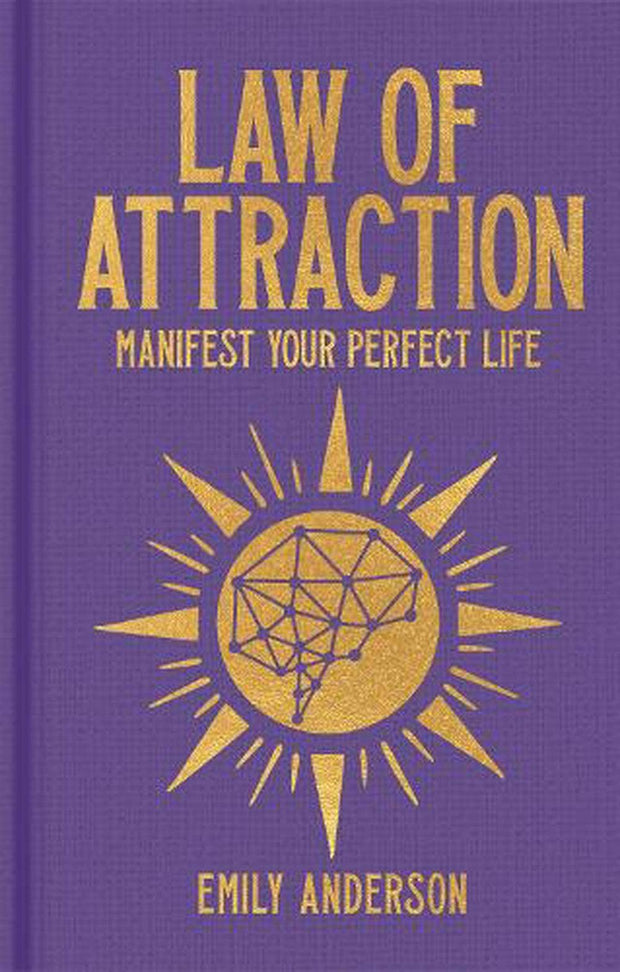
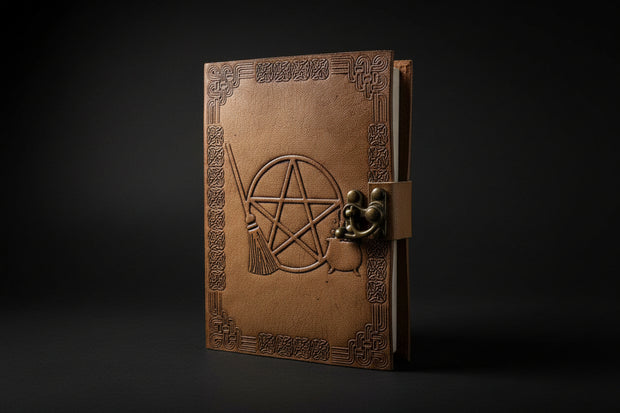
Study manifestation through Law of Attraction: Arcturus Hidden Knowledge and practical spell construction through Spellcraft: A Practical Guide to Magic. Use both as frameworks for reflection and action—not as promises of total control over reality.
Tools for this practice
Explore the products selected for this guide. Review each listing for what is included and how to use it.
Shop this guide · 2 items Collapse


Keep exploring the shop
You made it to the end of the guide. Keep exploring through related products, major departments, or the full catalog.


Leave a comment