


CURATED BY AMERICAN OCCULTIST
Herbs for Prosperity Bowls
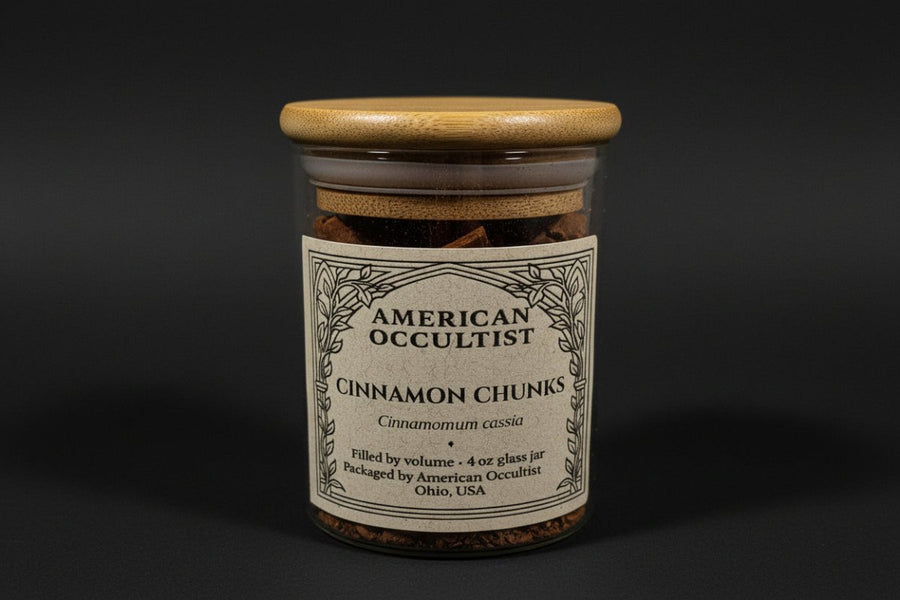
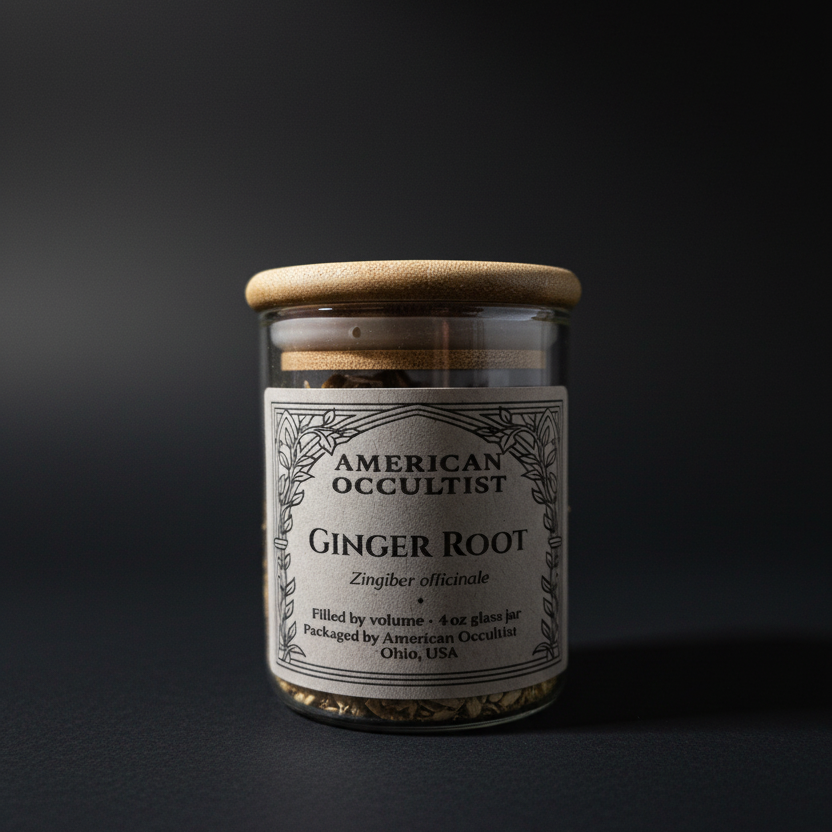
In contemporary money-bowl practices, dried plants and spices are often selected for the symbolic ideas they represent rather than for a universal recipe. Browse cinnamon bark, ginger root, allspice, cloves, star anise, peppermint and red clover blossom as distinct botanical ingredients. A separate offering bowl, a written financial...
Choosing the right tools +
In contemporary money-bowl practices, dried plants and spices are often selected for the symbolic ideas they represent rather than for a universal recipe. Browse cinnamon bark, ginger root, allspice, cloves, star anise, peppermint and red clover blossom as distinct botanical ingredients. A separate offering bowl, a written financial goal, or a few coins may be enough for an arrangement without adding every material.
Choose suitable dried materials for a stable display
Read the botanical identity and package size, then choose a small dry quantity compatible with the vessel. Do not place candles among loose botanicals or paper, and do not assume craft-use herbs are culinary ingredients. For a complete vessel-and-stones comparison, see money bowl tools and symbolic materials.
Which herbs belong in a symbolic money bowl?
There is no mandatory recipe. Contemporary money-bowl examples often include bay leaves, cinnamon, basil or other materials alongside cash, paper goals or stones. These are personal symbolic associations, not evidence of financial results. A simple bowl and written intention can be sufficient. Choose a small number of labeled dried materials instead of assuming all herbs serve the same purpose. Do not place a lit candle inside a bowl containing paper, coins or dried botanicals.
For a closer comparison, shop bowls, herbs and stones together.




KEEP EXPLORING
Follow your curiosity
Continue shopping, discover a related practice, or explore our educational journal before choosing.
Read Ink & Ash ↗