


Altar vs. Shrine: Meaning, Purpose, Setup, and When a Sacred Space Is Both

“Altar” and “shrine” are often used interchangeably in modern spiritual conversation, but they describe different emphases. An altar is generally a place where ritual action occurs. A shrine is generally a place of focused devotion, remembrance, or veneration. One surface can be both.
Neither word has one universal design. Ancient temples, Christian churches, Buddhist homes, Hindu households, folk practices, ceremonial magic, Wicca, and modern Pagan traditions all use sacred spaces differently. The most accurate definition comes from the tradition and function, not from a shopping checklist.
Basic distinction
| Altar | Shrine |
|---|---|
| Emphasizes ritual action. | Emphasizes devotion or remembrance. |
| May hold working tools and materials. | May center an image, relic, name, or symbol. |
| Can be temporary and built for one rite. | Is often maintained over time. |
| May change according to the operation or season. | Often develops a stable identity. |
| May be non-devotional. | Usually has a specific devotional or memorial focus. |
These are tendencies, not rigid laws.
What an altar is for
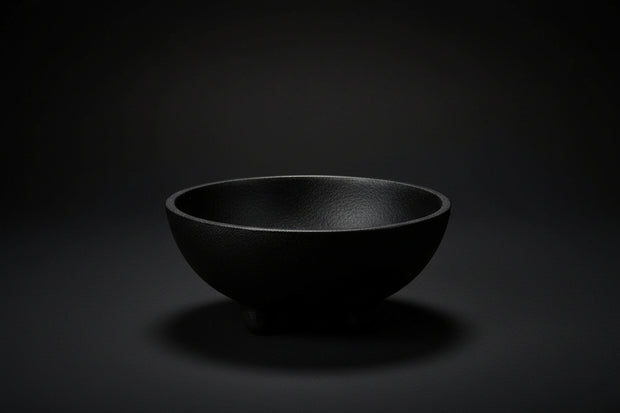
An altar provides a defined place for ritual work. It may hold candles used safely, a bowl, incense where appropriate, divination tools, written petitions, ritual implements, seasonal objects, or offerings. A practitioner may clear it after each working or keep a stable arrangement.
A Wiccan altar may represent elements and ritual tools. A ceremonial magician’s altar may follow a formal symbolic plan. A solitary witch may use a small tray that can be stored privately. A secular practitioner may use a desk corner for meditation and reflection.
For a basic setup, see How to Build a Pagan Altar for Beginners.
What a shrine is for
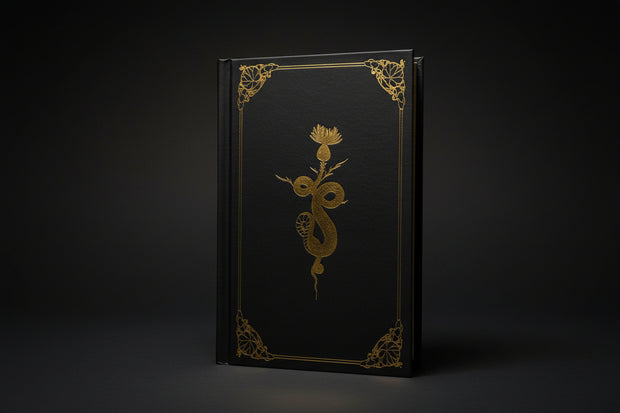
A shrine directs attention toward a deity, saint, ancestor, spirit, place, event, or person being remembered. It may include an image, name, symbolic object, flowers, water, food, lamps, prayer beads, written prayers, or family mementos.
The central question is not “What tool do I need?” but “Who or what is being honored, and what form of attention is appropriate?” In some traditions, shrine care follows inherited or religious rules. Research those rules rather than assuming a generic Pagan arrangement applies.
When a space is both
A deity shrine becomes an altar when ritual actions and offerings are performed there. An ancestor altar can also function as a memorial shrine. A seasonal altar may become a temporary shrine to a festival, land spirit, or agricultural cycle.
You do not need to force one label. State the functions clearly:
- “This shelf is a shrine to my deceased grandparents.”
- “This table is my working altar for divination and candle ritual.”
- “This surface is both a devotional shrine and an offering altar.”
How to set up an altar
- Define the kind of work the space supports.
- Choose a fire-safe, stable, accessible surface.
- Add only the tools needed for that practice.
- Separate flame, smoke, liquid, fabric, pets, and children safely.
- Leave enough open space to work without knocking objects over.
- Clean and reset the surface after use.
Our guide to Pagan altar tools explains common objects without treating them as mandatory purchases.
How to set up a shrine
- Identify the devotional or memorial focus.
- Research cultural or religious expectations connected to it.
- Choose one central image, name, or object.
- Add an offering or gesture you can maintain responsibly.
- Create a cleaning and disposal routine.
- Review whether privacy, household consent, or safety requires a portable form.
Small, hidden, and portable spaces
A sacred space can fit in a box, drawer, travel tin, cloth wrap, digital album, or single object. People living with roommates, family, dorm rules, rental restrictions, disability, or limited space may need a setup that disappears quickly.
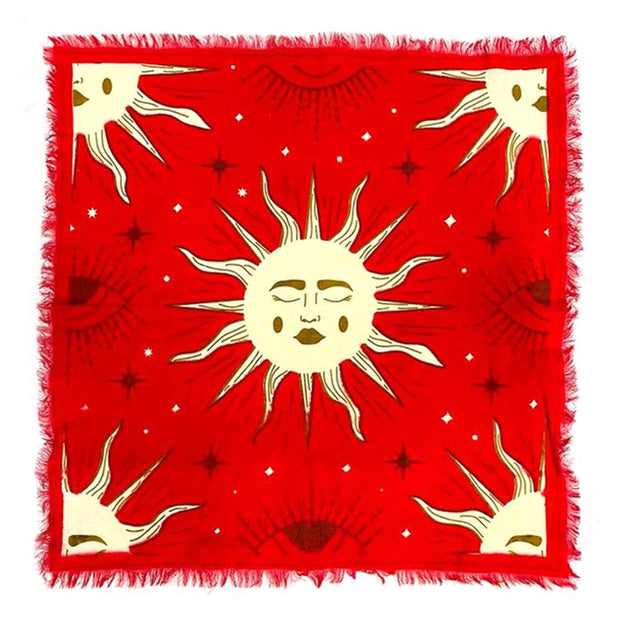
A portable altar can contain a cloth, printed symbol, battery light, small bowl, and cards. A private shrine may be a framed photograph or book on an ordinary shelf. Visibility does not determine sincerity.
Common mistakes
- Buying every traditional tool before knowing what the practice requires.
- Mixing symbols from unrelated religions without research.
- Leaving food until it spoils or attracts pests.
- Using unstable shelves for heavy statues or stones.
- Burning candles or incense unattended.
- Treating clutter as proof of devotion.
- Assuming a shrine image gives permission to claim a closed tradition.
Cleaning and changing the space
Physical cleaning is not disrespectful. Remove dust, spoiled offerings, candle residue, ash, and unsafe objects. If you are concerned about moving devotional items, state your intention, follow the tradition’s protocol where known, and return them carefully.
Altars and shrines can change as practice changes. A temporary absence, smaller arrangement, or complete closure is allowed.
Browse altar supplies after identifying the space’s actual function rather than building from a generic checklist.
Frequently asked questions
Can an altar be decorative?
Yes, but if no ritual action occurs there, “display” or “sacred display” may be the clearer description.
Does a shrine require a deity statue?
No. A name, photograph, symbol, natural object, empty chair, text, or memory item may serve as the focus.
Can I share one altar among several practices?
Yes, if the traditions and household rules permit it. Use trays or cloths to distinguish temporary arrangements.
Must an altar face a direction?
Only when a specific tradition or ritual system requires it.
Can I dismantle a shrine?
Yes. Remove offerings, clean the space, store or dispose of items respectfully, and follow any tradition-specific instructions you have accepted.
Tools for this practice
Explore the products selected for this guide. Review each listing for what is included and how to use it.

Shop this guide · 4 items Collapse


Keep exploring the shop
You made it to the end of the guide. Keep exploring through related products, major departments, or the full catalog.
 RELATED TO THIS GUIDE
Ritual Supplies & Altar Tools
Shop this topic
RELATED TO THIS GUIDE
Ritual Supplies & Altar Tools
Shop this topic


Leave a comment