


Tools of the Craft: 10 Essential Pagan Altar Tools and Supplies

Pagan altar tools are symbolic and practical objects used for ritual, devotion, meditation, divination, and seasonal observance. No single tool is required, and different Pagan traditions use different objects.
10 Common Pagan Altar Tools
1. Athame
An athame is a ritual blade used symbolically for directing attention or energy and marking ritual boundaries. It is not required to be sharp and is not used as a weapon.
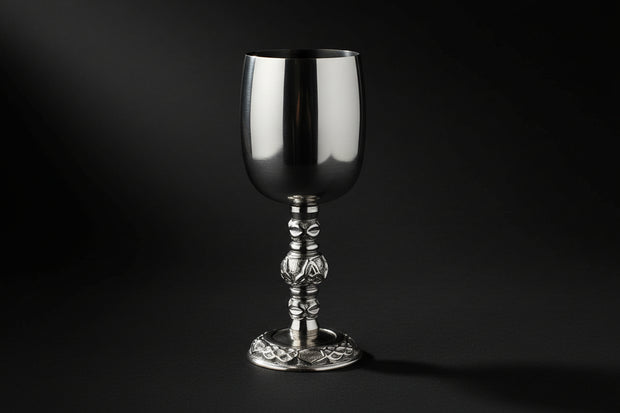
2. Chalice
A chalice is used for water, ritual drinks, offerings, or symbolism associated with the element of Water and receptivity.
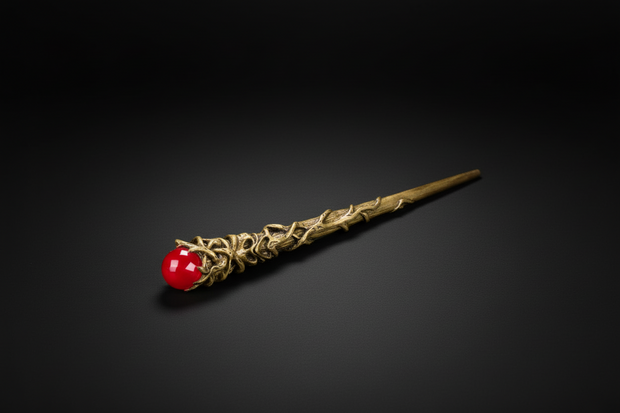
3. Wand
A wand may be used to point, trace symbols, invoke elements, or direct ritual focus. Wands can be wood, metal, stone, resin, or another meaningful material.
4. Pentacle
A pentacle is a pentagram enclosed in a circle. It may represent Earth, protection, the elements, manifestation, or the Pagan identity of the practitioner.
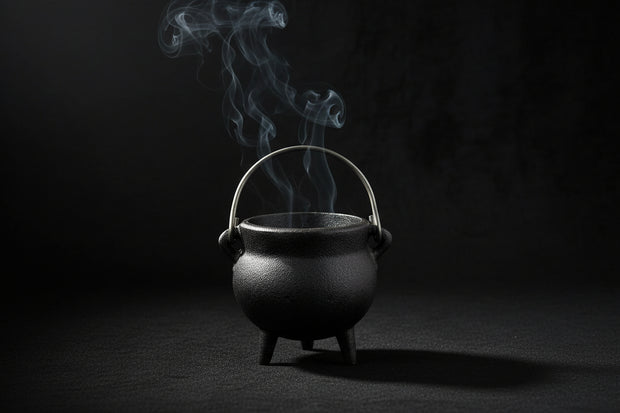
5. Cauldron
A cauldron symbolizes transformation, containment, the hearth, and rebirth. Small cauldrons are often used as decorative vessels, offering bowls, or holders for nonflammable ritual items.
6. Besom
A besom is a ritual broom used to symbolically sweep and define a sacred space. It may also represent household protection and threshold work.
7. Crystals and Stones
Stones may be chosen for color, mineral character, personal meaning, or modern magical correspondences. They can serve as altar anchors, symbols, or meditation objects.
8. Herbs
Clearly labeled herbs may be displayed in sealed jars, used as offerings, or incorporated into symbolic work. Keep ritual herbs separate from food and away from children and pets.
9. Incense and Resin
Incense may represent Air, prayer, offering, purification, or atmosphere. Smoke-free alternatives include bells, sprays made for room use, flowers, fans, and LED candles.
10. Altar Cloth
An altar cloth protects the surface, defines the workspace, and introduces seasonal colors or sacred symbols.
How to Choose Altar Tools
- Start with the tradition or purpose of the altar.
- Buy slowly rather than filling the space immediately.
- Choose objects that are stable, safe, and easy to maintain.
- Use household objects when they serve the same symbolic purpose.
- Keep blades, fire, smoke, liquids, and fragile objects appropriate to the setting.
A Simple Beginner Pagan Altar
A useful first altar may include:
- One candle or LED light
- A bowl or chalice
- A meaningful image, statue, stone, or seasonal symbol
- A journal or ritual text
- An optional cloth beneath the arrangement
Add tools only when you understand how they fit your practice.
Altar Tool Care and Storage
- Dust and inspect tools regularly.
- Remove spoiled food, wilted offerings, and standing water.
- Store blades, matches, oils, herbs, and small stones securely.
- Keep smoke and flame away from fabric, shelves, pets, and children.
- Repair, retire, donate, or repurpose tools that no longer serve the altar.
Frequently Asked Questions
Do you need all ten tools?
No. Most practitioners build their collection slowly, and many use only a few meaningful objects.
What is the best first altar tool?
A safe light source, offering bowl, or journal is useful across many traditions.
Can everyday objects be used as ritual tools?
Yes. A kitchen cup can become a chalice, a branch can become a wand, and a cloth or tray can define the altar space.
Related Reading
Tools for this practice
Explore the products selected for this guide. Review each listing for what is included and how to use it.



Leave a comment