


Animism Within Paganism: Understanding the Living Spirit in All Things

Animism is a worldview in which animals, plants, landscapes, waters, weather, objects, ancestors, or other-than-human beings may be understood as persons, spirits, or participants in reciprocal relationships. Animistic ideas appear in many cultures, but each culture’s traditions remain specific and should not be treated as interchangeable.
What Is Animism?
Animism is a way of understanding relationships between human and nonhuman life rather than one single organized religion. Different animistic traditions may recognize personhood, agency, memory, sacred presence, or spirit in very different ways.
Common Animistic Themes
- The world is relational rather than merely a collection of resources.
- Humans are participants in ecosystems and communities, not separate rulers over them.
- Places, species, natural forces, ancestors, or objects may be treated with respect and reciprocity.
- Attention, gratitude, restraint, and care may be understood as spiritual practices.
Animism Within Modern Paganism
Many modern Pagan paths include animistic elements even when practitioners do not use the label. A person may honor land spirits, household spirits, ancestors, animals, trees, rivers, elements, or ritual tools as relational presences.
Animism, Polytheism, and Pantheism
- Animism: Focuses on relationships with persons or presences throughout the world.
- Polytheism: Focuses on multiple gods with distinct identities.
- Pantheism: Understands the universe or nature as divine or sacred as a whole.
These worldviews can overlap. A Pagan may be animist, polytheist, and pantheist at the same time.
Types of Spirits in Animistic Pagan Practice
Spirits of Place
A forest, river, hill, house, neighborhood, or other location may be approached as having a distinct character or presence. The Latin phrase genius loci is often used for the spirit of a place.
Nature and Elemental Spirits
Practitioners may relate to trees, stones, waters, winds, storms, animals, fields, or fire through prayer, meditation, offerings, observation, or symbolic ritual.
Ancestors and the Dead
Animistic practice may include blood ancestors, cultural predecessors, household dead, or people connected with a place or tradition.
Household Spirits
Folklore from many regions includes spirits associated with the hearth, doorway, kitchen, land, or domestic protection.
Communication and Discernment
Practitioners may interpret dreams, intuition, divination, repeated symbols, emotional impressions, or changes in the environment as meaningful. These interpretations remain subjective. Weather, wildlife behavior, expectation, memory, and coincidence should also be considered.
A grounded approach records the experience first, checks ordinary explanations, compares it with the relevant tradition, and avoids treating an impression as an unquestionable command.
How to Practice Animism Respectfully
- Learn the place. Study local ecology, history, weather, plants, animals, and land access rules.
- Observe before acting. Spend time listening and noticing without demanding a sign.
- Offer care. Pick up litter, support habitat, conserve water, or protect a place from damage.
- Use responsible offerings. Prayer, song, clean water in a vessel, or service avoids leaving foreign material outdoors.
- Keep records. Journal observations, interpretations, and ordinary explanations.
- Respect cultural boundaries. Animistic worldviews are widespread, but ceremonies and teachings from living cultures are not public property.
Animism in Everyday Life
- Thanking plants, tools, food, and places without assuming they must respond
- Repairing and caring for belongings instead of treating everything as disposable
- Learning the names and needs of local species
- Observing seasonal change through the Wheel of the Year
- Practicing household hospitality and ancestor remembrance
- Making decisions with ecological consequences in mind
Frequently Asked Questions
Is animism the same as Paganism?
No. Animism is a worldview found within many religious and cultural traditions. Paganism is a broad umbrella containing many paths, some strongly animistic and others less so.
Does animism mean that every object has the same kind of spirit?
No universal definition exists. Different traditions understand personhood, agency, soul, and sacred presence differently.
Do offerings have to be left outdoors?
No. Prayer, music, service, clean-up, indoor offerings, and responsible land care are often better choices.
Related Reading
Tools for this practice
Explore the products selected for this guide. Review each listing for what is included and how to use it.
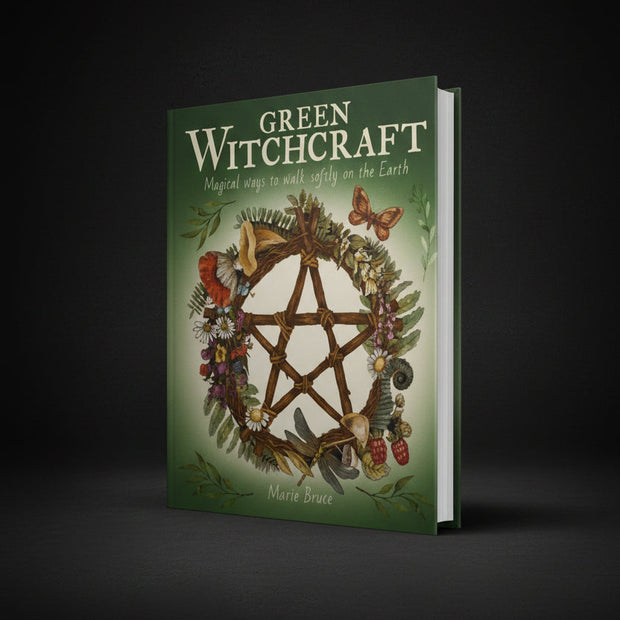
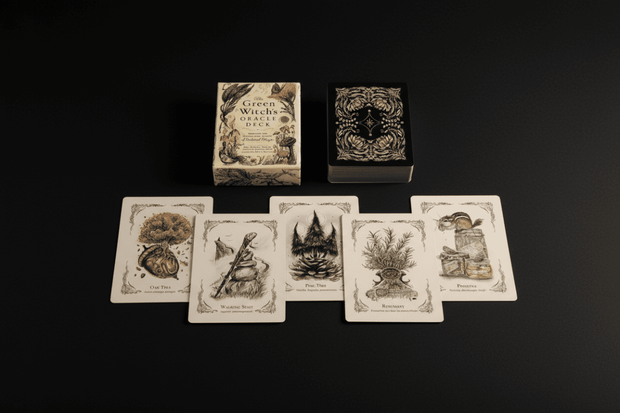

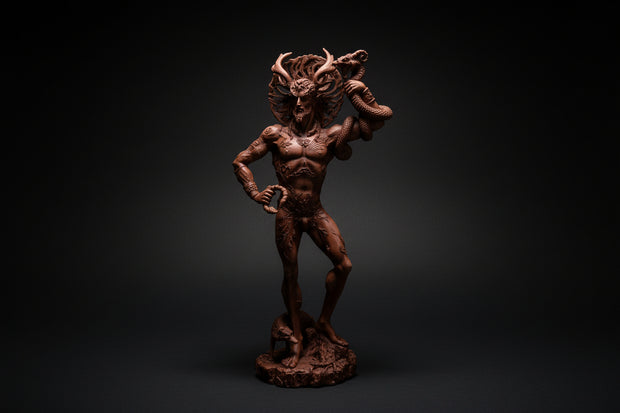
Shop this guide · 4 items Collapse


Keep exploring the shop
You made it to the end of the guide. Keep exploring through related products, major departments, or the full catalog.


Leave a comment