


Offerings for Trees, Stones & Natural Spirits

Offerings to trees, stones, rivers, winds, and other natural presences are best understood as gestures of gratitude and relationship rather than payments for supernatural favors. Responsible practice should protect the land, wildlife, water, and other visitors.
Principles for Nature-Spirit Offerings
- Learn the local ecology and rules before leaving anything at a site.
- Prefer attention, prayer, service, and indoor offerings over deposited objects.
- Do not assume “natural” means harmless to wildlife or soil.
- Ask permission from landowners and follow park, cemetery, and protected-area regulations.
- Leave the place cleaner and less disturbed than you found it.
Offerings for Trees
Observation and Greeting
Spend time learning the tree’s species, condition, seasonal cycle, and surroundings. A greeting, prayer, poem, or period of quiet attention creates a relationship without altering the site.
Acts of Care
- Pick up litter without disturbing roots or habitat.
- Water a tree only when it is appropriate, permitted, and actually needed.
- Support local tree planting or conservation projects.
- Learn about invasive pests and proper tree care from local experts.
- Use fallen material only where collection is legal and ecologically responsible.
Indoor Tree Offerings
Place clean water, a drawing, a photograph, a leaf already found on the ground, or a written prayer on an indoor altar. This keeps the symbolic offering from becoming outdoor debris.
Offerings for Stones and Earth Spirits
Do not move, remove, paint, stack, bury, or leave objects on natural stone formations without permission. Cairns and crystal deposits can damage habitat, confuse trail markers, or alter archaeological and geological sites.
Low-Impact Practices
- Sit nearby and observe without touching fragile surfaces.
- Offer a song, poem, breath, or moment of silence.
- Sketch or photograph the stone where photography is allowed.
- Clean litter from the surrounding area without rearranging natural materials.
- Use a personal stone indoors as a symbolic representative of the place.
Offerings for Rivers, Springs, Wind, Fields, and Mountains
Waterways
Do not place food, flowers, coins, crystals, paper, wax, oils, salt, herbs, glitter, or alcohol into water. Use prayer, song, observation, or a donation to watershed protection instead.
Wind
Breath, music, bells used at an appropriate volume, or spoken gratitude can serve as symbolic offerings. Do not release herbs, paper, balloons, ribbons, ash, or other material into the air.
Fields and Meadows
Stay on permitted paths, avoid trampling young growth, and do not scatter seeds or food. Supporting native habitat or removing litter is a more responsible offering.
Mountains and Wild Places
Follow Leave No Trace principles, respect closures and sacred sites, pack out everything you carry in, and treat safe travel preparation as part of the ritual.
A Simple Nature Offering Prayer
“Spirit and life of this place, I greet you with respect. I offer attention, gratitude, and care. May my presence cause no harm, and may I leave this place better than I found it.”
Offerings to Avoid Outdoors
- Food, bread, grain, seeds, or fruit that can alter wildlife behavior
- Salt, alcohol, oils, incense ash, or concentrated herbs
- Coins, crystals, glass, metal, wax, candles, and jewelry
- Ribbon, thread, cloth, paper, glitter, and biodegradable decorations
- Non-native flowers, seeds, or plant material
- Fire, smoke, or burning material
Frequently Asked Questions
What is the safest offering for a natural place?
Attention, prayer, responsible clean-up, conservation support, or an offering kept indoors creates meaning without leaving material behind.
Can clean water be poured on the ground?
Only when it is permitted, ecologically appropriate, and needed. Even water can affect fragile sites or introduce contaminants from its container.
How do I know whether an offering was accepted?
There is no objective test. Treat the act as an expression of gratitude rather than requiring a sign or response.
Related Reading
Tools for this practice
Explore the products selected for this guide. Review each listing for what is included and how to use it.

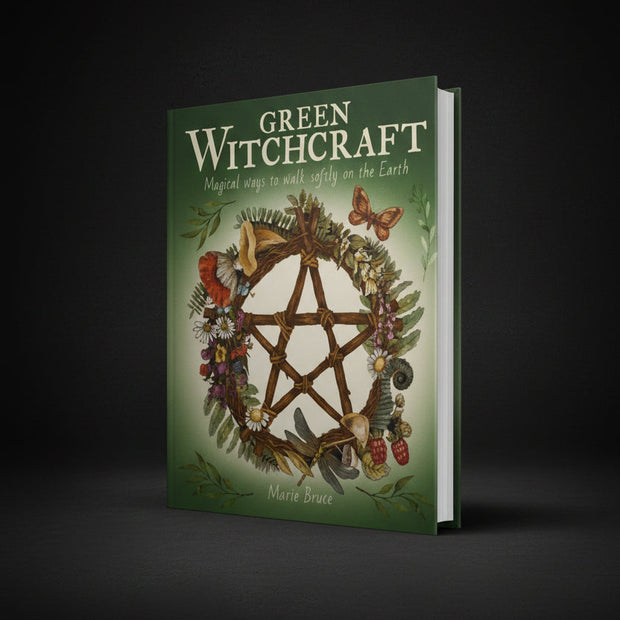

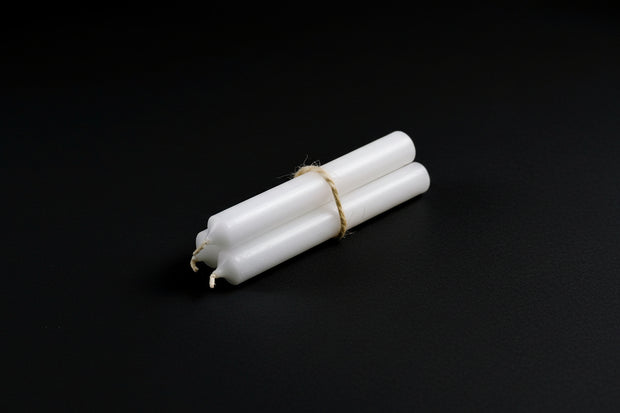
Shop this guide · 4 items Collapse



Keep exploring the shop
You made it to the end of the guide. Keep exploring through related products, major departments, or the full catalog.
 RELATED TO THIS GUIDE
Candles & Incense
Shop this topic
RELATED TO THIS GUIDE
Candles & Incense
Shop this topic


Leave a comment