


Are Crystal Mystery Boxes Worth It? Value, Disclosure, Duplicates, and Seller Practices

A crystal mystery box can be enjoyable when the buyer wants surprise, accepts limited control over the contents, and understands how the seller defines value. It can be disappointing when “worth $100” means inflated individual prices, the box contains unidentified material, duplicates dominate the selection, or slow-selling inventory is presented as rare treasure.
Mystery boxes are not inherently dishonest. Their value depends on disclosure, curation, identification, condition, variety, return terms, and whether the surprise itself is worth giving up exact choice.
Decide what kind of value you want
| Value type | What it means | Question to ask |
|---|---|---|
| Retail value | The seller’s stated price if each item were sold separately | Are those prices consistent with the seller’s normal listings? |
| Collector value | Interest based on species, locality, habit, condition, rarity, and provenance | Will specimens include accurate labels and locality when known? |
| Metaphysical value | Personal usefulness within a spiritual practice | Can I request or exclude broad intentions or materials? |
| Gift value | Presentation, variety, accessibility, and enjoyment for the recipient | Will the contents suit the person’s interests and safety needs? |
| Entertainment value | The pleasure of opening an unknown selection | Would I still enjoy it if none of the pieces were individually exciting? |
A box can be fairly priced without containing investment-grade specimens. A buyer seeking exact localities or high-end mineral pieces should usually choose individual listings instead.
What a transparent mystery-box listing should disclose
Useful information includes:
- minimum number of items or total weight;
- approximate size range;
- whether photographs show exact contents or examples;
- types of material that may appear;
- whether pieces are natural specimens, tumbles, carvings, jewelry, or mixed forms;
- whether identification labels are included;
- whether treatments, dyes, coatings, synthetics, or imitation materials may appear;
- whether duplicates are possible;
- whether requests and exclusions are accepted;
- how stated retail value is calculated;
- return, exchange, and damage policies;
- shipping method and packaging.
“Intuitively chosen” or “hand selected” describes a curation style. It does not replace dimensions, material disclosure, and transaction terms.
Exact photos versus representative photos
Most mystery boxes use representative photographs because the contents are intentionally unknown. The listing should state that clearly. Example photos should still represent the likely quality, size, and range rather than displaying unusually valuable pieces that almost no buyer will receive.
Look for language explaining that natural variation occurs and that the photographed specimens are examples. Be cautious when the image contains large clusters or rare stones but the written description guarantees only “assorted crystals.”
How “retail value” can become misleading
A seller may calculate value using its own individual prices. That can be reasonable when those prices are genuine, current, and consistently used. It becomes less meaningful when:
- items are never normally offered at the stated prices;
- every tiny tumble receives an unusually high assigned value;
- the total uses comparison prices from rare or superior specimens;
- shipping is counted as merchandise value;
- discounted clearance items are valued at an old list price;
- unidentified stones receive premium-species pricing;
- the seller promises an exact percentage above the purchase price without showing the method.
Ask for the valuation method rather than assuming “$150 value for $50” means you could resell the contents for $150.
Retail value is not resale value
A customer generally cannot resell common mystery-box contents at the original retailer’s full price. The seller has already performed sourcing, identification, photography, storage, labor, packaging, customer service, and marketing. A private seller may also lack provenance or an established customer base.
Do not buy a mystery box as an investment unless every item is documented and independently justifies that purpose.
Identification matters
A useful box should identify each stone as specifically and honestly as the seller can. Labels might include:
- mineral species or rock name;
- variety or trade name;
- natural, synthetic, treated, coated, dyed, or imitation status;
- locality when genuinely known;
- care restrictions;
- catalog or product reference.
A generic card listing metaphysical meanings for “your crystals” is not an identification record. Use Crystal Trade Names vs. Mineral Species and Natural, Synthetic, Treated, and Imitation Crystals.
Duplicates are not always bad
Two pieces of the same species can differ in locality, habit, color, inclusions, or form. Duplicates may also be useful for grids, gifts, study, or group practice. They become a problem when the buyer expected variety and receives many nearly identical low-cost items.
Check whether “no duplicates” means no repeated species, no repeated form, or simply no identical product. If you already own many common stones, ask whether exclusions are possible.
Common materials versus rare materials
Common minerals can be beautiful, educational, and useful. A good box does not need artificial rarity. It should not imply that every item is rare, museum-grade, high-vibration, investment-quality, or ethically sourced without evidence.
When a rare or expensive item is advertised as a possible “chase” piece, ask:
- How many boxes include it?
- Are the odds disclosed?
- Is the item exact or representative?
- How is it identified and documented?
- Does the ordinary box remain worthwhile without it?
The decision should not depend on gambling for one exceptional item.
Curated box versus clearance box
A mystery box may legitimately help a seller move overstock, discontinued products, single pieces, or imperfect packaging. That is not automatically unfair when the listing explains the purpose and the merchandise remains accurately described and usable.
A curated box should show stronger intentionality: a theme, balanced forms, compatible care needs, clear labels, thoughtful presentation, and exclusions based on the buyer’s needs.
Watch for condition and repair issues
Mystery status should not conceal damage. The seller should disclose when boxes may contain:
- chipped points;
- repaired or stabilized specimens;
- scratched polish;
- off-center carvings;
- faded labels or packaging;
- broken jewelry findings;
- clearance-grade items;
- seconds or imperfect pieces.
A “scratch-and-dent mystery box” can be fair when condition standards are stated before purchase.
Safety and household compatibility
A surprise box may contain materials unsuitable for children, animals, water, sunlight, direct handling, or ritual use. Buyers should be able to request exclusions for:
- sharp or shedding specimens;
- very small pieces;
- toxic or hazardous mineral species;
- fragranced products;
- animal-derived material;
- metal allergies;
- religious symbols;
- glass, resin, or synthetic material;
- items intended for burning or skin contact.
If the seller cannot identify the contents, it cannot provide dependable care or safety guidance.
Shipping can determine whether the box is worth it
Mixed boxes are difficult to pack because heavy tumbles can damage points, carvings, jewelry, and delicate clusters. Good packing separates items, protects fragile surfaces, prevents rolling, and keeps labels with the correct specimen.
Review whether damage must be reported within a certain period and what photographs are required. A large stated value is meaningless if fragile pieces arrive loose in one bag.
Returns and the nature of surprise
Some sellers restrict returns because the box was opened or customized. Review the policy before buying. At minimum, it should distinguish:
- disliking the selection;
- receiving materially different contents from the description;
- damage in transit;
- missing items;
- misidentified or undisclosed treated material;
- allergy or safety concerns that were disclosed in advance.
A mystery purchase does not remove the seller’s responsibility to provide what was promised.
When a mystery box is a good choice
- You enjoy surprise more than exact selection.
- You are new and want a labeled variety of common materials.
- The seller has a transparent supply chain and clear policies.
- You understand the likely forms and size range.
- You are buying a gift for someone with broad interests.
- You accept possible duplicates.
- The ordinary contents justify the price without a rare chase item.
When to buy exact pieces instead
- You collect specific species, habits, or localities.
- You need exact dimensions for a shelf, stand, grid, or jewelry fit.
- You avoid particular treatments or materials.
- You already own many common stones.
- You need condition photographs.
- You are buying for resale, appraisal, or insurance documentation.
- You want one meaningful high-quality piece rather than several unknown items.
A mystery-box value worksheet
- Write the purchase price and shipping.
- Record the seller’s promised item count, weight, forms, and value.
- Inventory the contents on arrival.
- Identify each item and note uncertainty.
- Record size, weight, condition, treatment, and label quality.
- Compare the seller’s normal exact-item prices.
- Do not count pieces you cannot identify at premium value.
- Decide how many items you would have chosen individually.
- Add entertainment and gift value separately from merchandise value.
- Document damage or discrepancies immediately.
Frequently asked questions
Are crystal mystery boxes scams?
Not inherently. A legitimate box can provide fair value and enjoyable curation. Problems arise when contents, odds, identification, condition, or valuation are misleading.
Will I receive rare crystals?
Only when the listing guarantees and identifies them. “May include” language does not promise a rare piece.
Should every stone have a label?
Ideally, yes. At minimum, the seller should provide a reliable contents list with treatment and care information.
Is a $100 retail value the same as $100 cash value?
No. Retail price includes business costs and does not guarantee private resale value.
Can I request no duplicates?
Some sellers accept requests, but the meaning of duplicate should be clarified before purchase.
Are mystery boxes good for beginners?
They can be when the contents are well labeled, safe, varied, and supported by accurate educational information.
Should I buy a mystery box as an investment?
Usually not. Choose exact documented specimens when collecting for value, provenance, appraisal, or resale.
Surprise should not replace disclosure
Browse exact pieces in Crystals & Stones and use How to Buy Crystals and Mineral Specimens Online to compare photographs, dimensions, condition, treatment, and return terms. A good mystery box withholds the selection—not the standards.
Tools for this practice
Explore the products selected for this guide. Review each listing for what is included and how to use it.

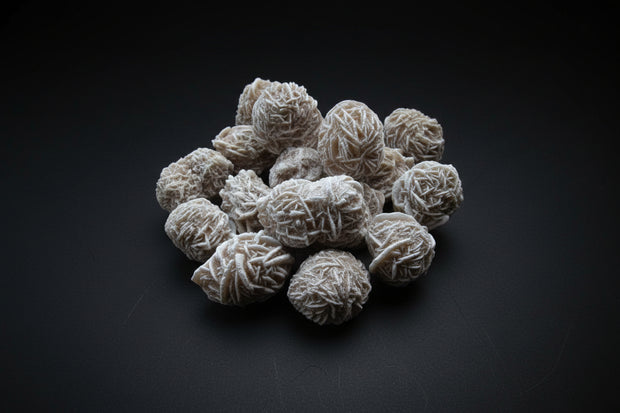
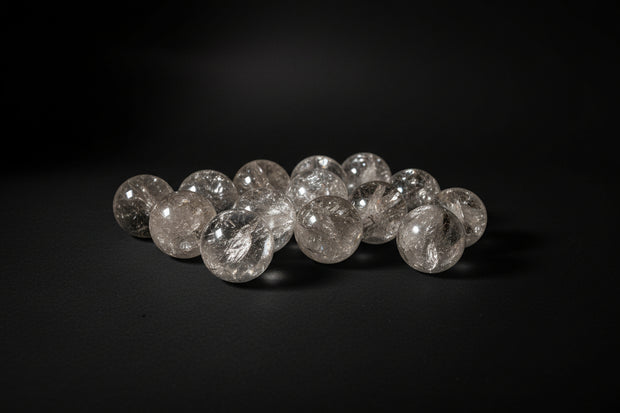
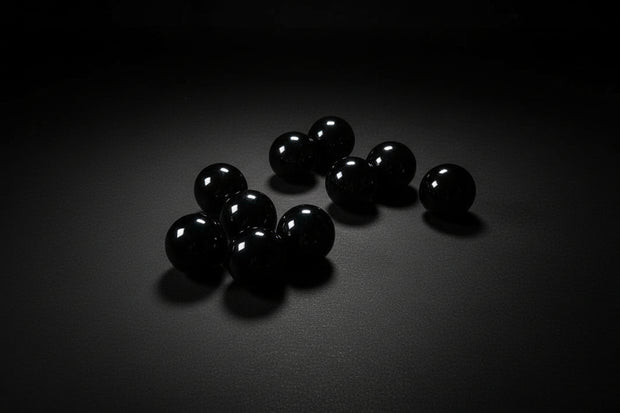
Shop this guide · 4 items Collapse



Keep exploring the shop
You made it to the end of the guide. Keep exploring through related products, major departments, or the full catalog.
 RELATED TO THIS GUIDE
Crystals & Stones
Shop this topic
RELATED TO THIS GUIDE
Crystals & Stones
Shop this topic


Leave a comment