


Black Salt vs Sea Salt in Folk Witchcraft

Plain sea salt and ritual black salt may appear in the same modern witchcraft discussions, but they are not interchangeable. Sea salt is a food product with broad symbolic associations. Ritual black salt is usually a nonfood mixture of salt and dark material such as ash or charcoal.
The most important difference is practical: ritual black salt should be clearly labeled, contained, and kept away from food, children, pets, plants, and waterways.
What Is Sea Salt?
Sea salt is produced through the evaporation of seawater. In ritual practice, it may symbolize preservation, cleansing, boundary-setting, the sea, or the element of water, depending on the tradition.
Culinary sea salt remains food-safe only when it has not been mixed with ritual ingredients or exposed to smoke, ash, oils, herbs, wax, or handling surfaces.
What Is Ritual Black Salt?
Ritual black salt is a contemporary magical mixture. It commonly contains plain salt and a small amount of ash, charcoal, soot, or dark pigment.
It may symbolize:
- boundaries and separation;
- banishing or closure;
- protective containment;
- the remains of a completed working;
- darkness, concealment, or adversarial symbolism.
These meanings are tradition-specific and metaphysical, not scientific properties.
Key Differences
| Feature | Sea Salt | Ritual Black Salt |
|---|---|---|
| Composition | Salt intended for food or general use | Salt mixed with ash, charcoal, herbs, or other ritual material |
| Edible | Only when kept food-safe | No |
| Common symbolism | Cleansing, preservation, sea, boundary | Boundary, banishing, containment, closure |
| Mess and staining | Usually low | Often high |
| Surface risk | Can scratch and corrode | Can scratch, stain, corrode, and create dust |
| Disposal | Use minimal amounts; avoid soil and waterways | Seal and use household trash |
When Practitioners Choose Sea Salt
Sea salt may be selected when the working emphasizes:
- general cleansing symbolism;
- preservation or stability;
- ocean or water associations;
- a simple boundary without ash or charcoal;
- easy cleanup and a low-mess setup.
A bowl of salt can be used symbolically without scattering it through the space.
When Practitioners Choose Black Salt
Black salt may be selected when the working emphasizes:
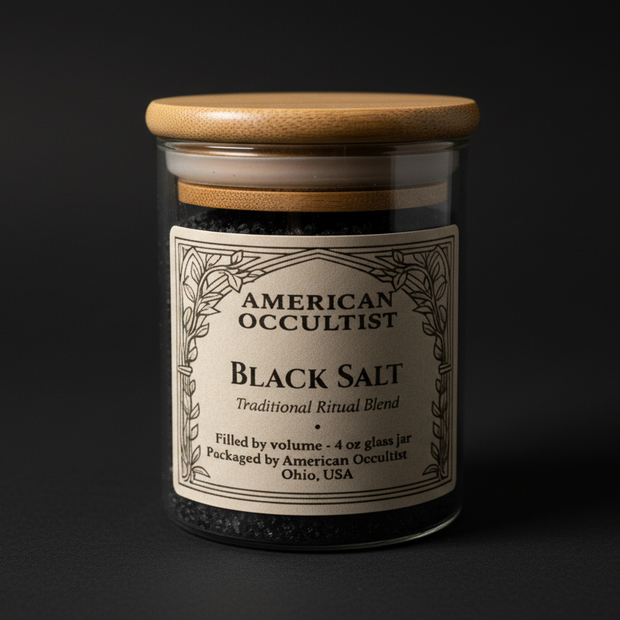
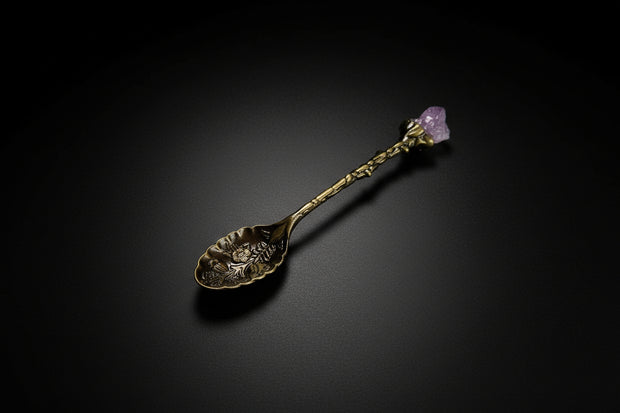
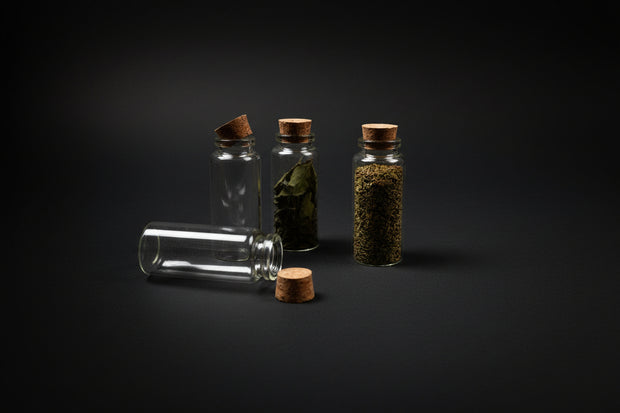
For craft-only black salt and compatible storage or preparation accessories, compare black ritual salt supplies. Do not substitute ritual mixtures for edible salt.
- ending or separating from something;
- temporary banishing symbolism;
- a dark or adversarial aesthetic;
- a sealed household protection charm;
- the ritual reuse of a small amount of safe ash from a prior working.
It is usually best kept in a container rather than spread on surfaces.
Neither Material Guarantees Protection
Salt does not replace locks, alarms, lighting, legal boundaries, medical care, or emergency help. It can serve as a symbolic reminder to maintain those measures.
Surface and Household Safety
- Salt can scratch wood, stone, and finished surfaces.
- Salt absorbs moisture and may corrode metal.
- Black salt can stain fabric, grout, carpet, and porous stone.
- Pets may lick salt from floors or thresholds.
- Loose powder may irritate lungs or eyes.
Use sealed vials, covered bowls, paper packets, or closed charms instead of loose lines.
Environmental Impact
Salt can injure plants and soil organisms. Ash and charcoal can contain irritants or contaminants. Do not throw either material into rivers, storm drains, gardens, roadsides, cemeteries, or public land.
Small amounts of unused culinary salt can remain in the kitchen. Used ritual mixtures should generally be sealed and placed in household trash.
Can Sea Salt Become Black Salt?
Yes. Sea salt can be used as the base of a ritual black salt recipe. Once ash, charcoal, incense residue, herbs, oils, or ritual contaminants are added, it should no longer be treated as food.
Label the container immediately.
Can Black Salt Be Used in Baths?
It should not be added to bathwater. Ash, charcoal, unknown herbs, salt concentration, and ritual residue may irritate skin, damage plumbing, stain surfaces, or be unsafe for sensitive users.
Use an external symbolic container in the room instead.
Choosing Between Them
Ask:
- What does the material represent in my specific practice?
- Will it be contained or spread?
- Could it damage the surface?
- Are children or animals present?
- How will it be removed and disposed of?
- Would a paper symbol or sealed vial accomplish the same purpose more safely?
Continue the Series
Learn how the modern mixture is prepared in How to Make Black Salt, and compare practical applications in Using Black Salt for Banishing and Reversal.
Ritual black salt is not edible. Sea salt used in ritual should not return to food use after contamination. Keep all salt mixtures away from pets, plants, waterways, and sensitive surfaces.
Tools for this practice
Explore the products selected for this guide. Review each listing for what is included and how to use it.
Shop this guide · 3 items Collapse


Keep exploring the shop
You made it to the end of the guide. Keep exploring through related products, major departments, or the full catalog.
 RELATED TO THIS GUIDE
Ritual Herbs
Shop this topic
RELATED TO THIS GUIDE
Ritual Herbs
Shop this topic


Leave a comment