


Can You Read Tarot With a Missing or Damaged Card?

You can physically perform a tarot reading with a missing or damaged card, but it is no longer a complete reading with that deck’s intended system. A missing card removes one possible symbol from every draw. A visibly damaged card creates a different problem: you may recognize it from the back and select or avoid it unconsciously.
Neither situation means the deck is cursed. It means the tool has changed. The right response depends on whether you are studying, reading casually for yourself, or offering readings where a client expects a complete and fair deck.
First, verify that a card is actually missing
- Check the guidebook or publisher’s card list for the deck’s designed count.
- Put every card in order and compare names or numbers, including title cards and extras.
- Look inside the box, guidebook, reading cloth, sleeves, storage bag, furniture, and any location where you last read.
- Confirm that the “missing” card is not stuck to another card.
A traditional tarot deck commonly has 78 cards, so a deck sold as 78 cards—such as the Dark Wood Tarot or Celtic Tarot—should contain all 78 for the system to be complete. Other systems are designed with different counts. The Devil’s Deck, for example, is a complete 30-card ritual deck; it is not an incomplete tarot deck simply because it has fewer cards.
What a missing card changes
Suppose The Tower is absent. The deck cannot produce The Tower, even when disruption, revelation, or structural change would have been the most useful symbol in the system. The odds of every remaining card also change slightly. You can still reflect on what you draw, but you should not pretend the deck is operating as designed.
For journaling, creative prompts, or a deliberately modified personal deck, that limitation may be acceptable. For comparative study, testing spreads, teaching standard tarot, or reading professionally, replace or retire the incomplete deck.
What a damaged or marked card changes
A bent corner, stain, torn edge, or different-colored back can reveal a card before you turn it over. That introduces selection bias. Even if you do not consciously identify the mark, your hands may learn its texture or shape.
Opaque, identical sleeves can sometimes restore an indistinguishable back and protect further wear. Sleeve the entire deck, not just the damaged card, and make sure all sleeves are the same size, color, texture, and condition. Sleeves cannot fix severe warping, contamination, mold, or a card that no longer shuffles safely.
Replacement options, from best to improvised
- Ask the publisher or manufacturer. Some supply individual replacement cards, especially for current editions.
- Find an identical edition. Card size, finish, cropping, backs, and print colors can change between editions, so compare carefully.
- Use a clearly temporary proxy. A blank card in an opaque sleeve can stand in during personal practice, but write the missing card’s identity on the face and disclose the substitution to anyone else being read.
- Retire the deck from readings. Keep it for study, altars, journaling, or art if that use respects the creator’s copyright and the materials are clean.
Do not download and print someone else’s artwork unless the rights holder permits it. A homemade replacement may also have a different thickness that makes it identifiable during shuffling.
Can you keep reading until the replacement arrives?
For private reflection, yes—if you acknowledge the limitation. Write the missing card at the top of your journal page so you do not forget that the symbol could not appear. You can also use a different complete deck, switch to a single-card study exercise, or work with a non-tarot system on its own terms.
For paid or high-stakes readings, use a complete, unmarked deck. Tarot should not be the sole basis for medical, legal, financial, or safety decisions, whether the deck is complete or not.
Frequently asked questions
Does losing a tarot card have a spiritual meaning?
You may choose to reflect on which card went missing, but there is no need to treat an ordinary lost object as an omen. Search systematically before assigning meaning.
Can I read with 77 tarot cards?
You can draw and interpret the remaining cards, but it is a modified system with one outcome removed. Disclose that fact if you read for another person.
Should I throw away a deck with one missing card?
No. Seek a replacement, reserve it for study, or repurpose it responsibly. Dispose of it only if the materials are unsafe or you no longer want it.
Can I combine two incomplete decks?
Only if they are the exact same edition and the replacement cannot be identified by its back, size, finish, color, or wear. Otherwise the deck remains marked.
Is a damaged card still usable?
Minor face damage may be usable if the back remains indistinguishable. If the card can be recognized before it is drawn, sleeve the whole deck or replace it.
How do I learn which cards should be present?
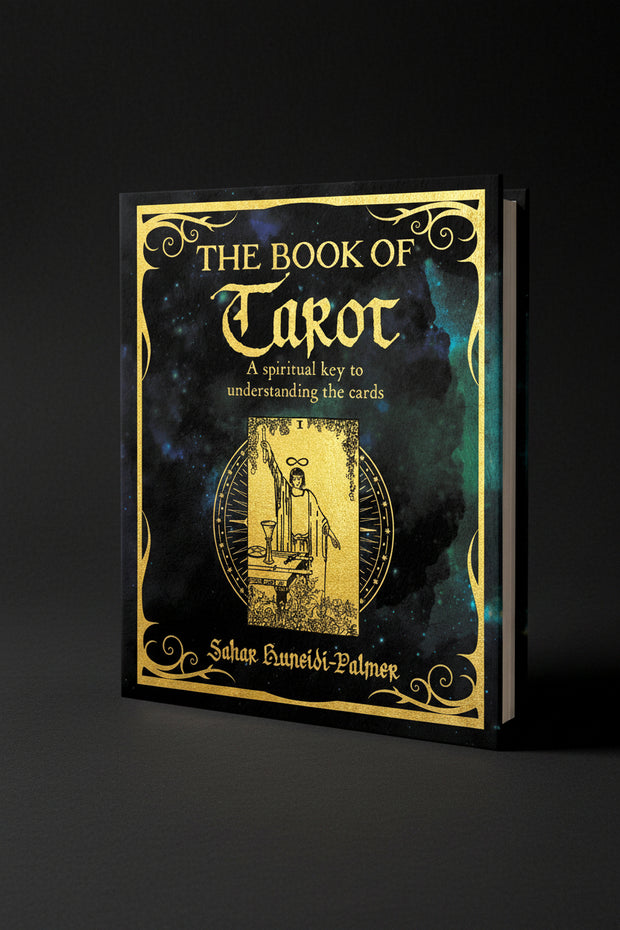
Use the deck’s guidebook and publisher list. For broader structure and interpretation, Book of Tarot or The Psychic Art of Tarot can support study, while our first tarot deck guide explains how to evaluate a new deck.
A complete deck preserves the system’s full vocabulary. Until yours is complete again, be transparent about what changed and choose a workaround that cannot secretly influence the draw.
Tools for this practice
Explore the products selected for this guide. Review each listing for what is included and how to use it.


Shop this guide · 3 items Collapse


Keep exploring the shop
You made it to the end of the guide. Keep exploring through related products, major departments, or the full catalog.
 RELATED TO THIS GUIDE
Divination Tools
Shop this topic
RELATED TO THIS GUIDE
Divination Tools
Shop this topic


Leave a comment