


Candle Color Meanings in Witchcraft: A Practical Guide

Candle color meanings in witchcraft provide a practical way to match a visible symbol with a magical or devotional intention. A green candle may be chosen for prosperity or growth, a black candle for protection or banishing, and a white candle for cleansing or clarity. These associations can help organize ritual work, but they are correspondences—not fixed laws that guarantee a particular result.
Color systems vary between traditions, teachers, regions, and individual practitioners. The most useful approach is to begin with the purpose of the working, consult the system you follow, and consider your own honest associations with the color. If you are completely new to candle work, begin with Candle Magic 101: What It Is and How to Begin before adding layers of symbolism.
Important distinction: Candle correspondences belong to religious, magical, and folkloric systems of meaning. They can support focus, ritual structure, and personal reflection, but supernatural claims about a color producing a specific external result are matters of belief rather than scientifically established effects.
What Do Candle Colors Mean in Witchcraft?
In witchcraft, a candle color is commonly used as a symbolic shorthand for the intention of a spell, prayer, meditation, offering, or ritual. The color may represent the quality a practitioner wants to invite, strengthen, limit, reveal, or release.
For example, someone working toward calm communication might choose blue because it is often associated with peace, truth, and expression. Someone setting boundaries might choose black because many modern practitioners use it for protection, separation, and the ending of unwanted influences. The candle does not replace the intention or the work required outside the ritual. It gives the intention a clear visual form.
Correspondence lists are best treated as maps. They can point you in a useful direction, but they do not eliminate judgment, tradition, or personal meaning.
Candle Color Meanings at a Glance
| Color | Common magical intentions |
|---|---|
| White | Cleansing, clarity, blessing, peace, protection, spiritual devotion |
| Black | Protection, banishing, boundaries, uncrossing, endings, release |
| Red | Passion, courage, vitality, willpower, attraction, decisive action |
| Pink | Affection, friendship, harmony, reconciliation, tenderness, self-love |
| Orange | Opportunity, confidence, creativity, motivation, road-opening, success |
| Yellow | Learning, focus, communication, intellect, visibility, optimism |
| Green | Prosperity, growth, fertility, healing, nature, steady abundance |
| Brown | Grounding, home, animals, practical stability, property, dependable work |
| Blue | Calm, truth, communication, emotional healing, patience, justice |
| Purple | Spiritual insight, divination, authority, ambition, wisdom, psychic work |
| Gold | Recognition, success, confidence, wealth, solar symbolism, achievement |
| Silver | Intuition, dreams, reflection, lunar symbolism, receptivity, mystery |
This chart reflects common modern associations rather than a universal code. A color may carry a different meaning in a specific religious tradition, cultural context, or personal practice.
Common Candle Color Meanings in Witchcraft
White Candle Meaning
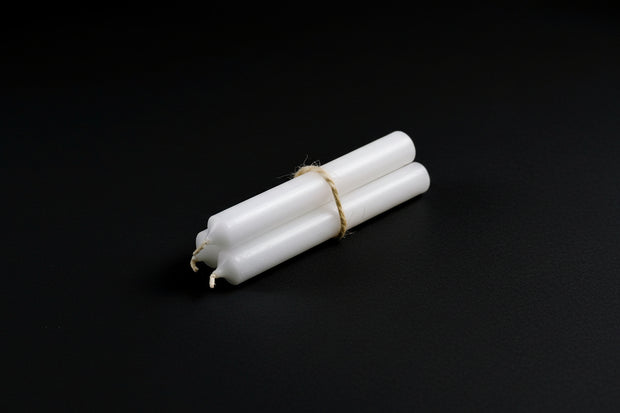
White is commonly used for cleansing, blessing, clarity, peace, protection, and spiritual devotion. It can suit rituals intended to simplify a situation, restore a sense of order, or create a neutral foundation before more specific work begins.
Many modern practitioners also use white as a flexible substitute when the preferred color is unavailable. That substitution is practical, but it is not a rule shared by every tradition. If your system assigns a specific liturgical or initiatory meaning to color, follow that system rather than a generic chart.
Black Candle Meaning
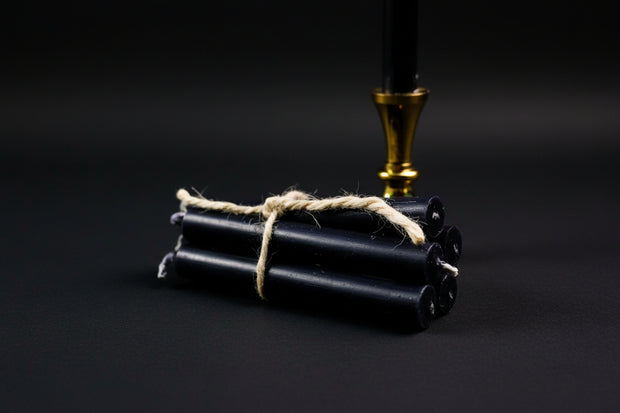
Black candles are frequently used for protection, boundary-setting, banishing, uncrossing, severing unhealthy attachments, and bringing a cycle to an end. Black is not inherently evil, malicious, or connected to harmful intent. In many systems, it represents containment, limitation, concealment, or the removal of what is no longer welcome.
Because banishing work can become emotionally charged, define the target carefully. It is usually clearer to focus on ending a harmful pattern, protecting a space, or creating distance than to direct vague hostility toward another person.
Red Candle Meaning
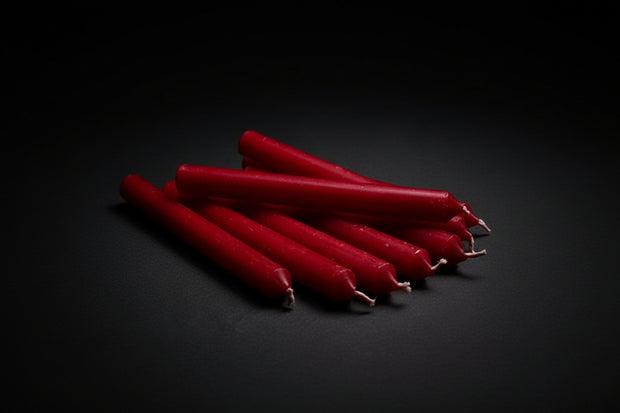
Red is associated with heat, life, passion, courage, strength, physical vitality, attraction, and decisive action. It may be chosen when a working needs momentum, boldness, or a strong commitment to act.
Red does not have to mean romantic love. It can support confidence before a difficult conversation, renewed motivation during a demanding project, or the courage to defend a necessary boundary. Because red is visually intense, it can also feel overstimulating to some people. Choose another color when red works against the emotional state you are trying to build.
Pink Candle Meaning
Pink is commonly connected with affection, friendship, harmony, reconciliation, compassion, tenderness, and self-love. It is often selected for relationship work that emphasizes care and mutual understanding rather than urgency or conquest.
Ethical relationship work should respect consent and personal agency. A pink candle can be used to cultivate openness, improve how you communicate, or invite healthy connection without attempting to override another person’s choices.
Orange Candle Meaning
Orange is often used for opportunity, creativity, confidence, motivation, road-opening, and forward movement. It combines some of red’s active quality with yellow’s brightness and visibility, making it useful for situations that require both enthusiasm and practical initiative.
Consider orange for job searches, public projects, creative blocks, business momentum, or the courage to try a new direction. Pair the ritual with concrete action such as submitting an application, making a call, revising a plan, or showing your work to others.
Yellow Candle Meaning
Yellow commonly represents learning, memory, focus, communication, intellect, optimism, and visibility. It is a natural choice for study, writing, public speaking, interviews, planning, and any working centered on clear thought.
Yellow can also be used when a situation needs illumination—not necessarily supernatural revelation, but the willingness to notice facts, ask better questions, and communicate plainly.
Green Candle Meaning
Green is widely associated with prosperity, growth, fertility, healing, nature, employment, business, and steady abundance. It is commonly used in money work, but prosperity is broader than sudden wealth. Green can represent reliable income, a growing skill, a healthier routine, a productive garden, or the long-term stability that comes from consistent effort.
For financial workings, state the desired outcome specifically and pair the candle with practical steps. “Help me identify three realistic ways to increase revenue” creates a clearer working than an undefined request for unlimited money.
Brown Candle Meaning
Brown is often used for grounding, home, animals, land, property, practical stability, and dependable work. It can be useful when the goal is not dramatic change but greater order, security, maintenance, or connection to ordinary responsibilities.
Brown may suit household protection, pet blessings, garden work, resolving property concerns, or strengthening a routine. Its symbolism is earthy and practical, making it a helpful choice when a ritual needs to return attention to what can actually be maintained.
Blue Candle Meaning
Blue is commonly associated with calm, truth, communication, patience, emotional healing, justice, and peaceful resolution. Lighter blues are often interpreted as gentle, soothing, or open, while darker blues may be used for depth, authority, loyalty, or serious communication.
Shade distinctions are optional. A single blue candle can represent the entire range when that is what you have available. The intention and the system you use matter more than purchasing a perfect shade.
Purple Candle Meaning
Purple is frequently chosen for spiritual insight, divination, wisdom, authority, ambition, psychic development, and the pursuit of mastery. It may be used before tarot, scrying, meditation, study of esoteric subjects, or work involving personal leadership.
Spiritual insight should still be tested against evidence and sound judgment. A ritual can help create a reflective state, but it should not be used to justify reckless decisions or replace qualified professional advice.
Gold Candle Meaning
Gold commonly represents success, recognition, confidence, achievement, wealth, generosity, and solar symbolism. It can suit work focused on being seen, receiving credit, celebrating accomplishment, or stepping into a more visible role.
Gold is often used when the goal is not merely to obtain resources but to express capability and leadership. It can also be chosen for gratitude and celebration after a milestone has been reached.
Silver Candle Meaning
Silver is commonly connected with intuition, dreams, reflection, receptivity, mystery, and lunar symbolism. It may be used in moon-centered rites, dream journaling, divination, or quiet work that emphasizes listening rather than forceful action.
Silver and white can overlap, especially when a metallic candle is unavailable. As with every correspondence, consistency within your practice is more valuable than forcing a distinction that does not feel meaningful.
How to Choose a Candle Color for Spellwork
Choosing a candle color becomes easier when you begin with the goal rather than browsing colors and inventing a reason afterward.
- Write the intention in one sentence. Use a concrete outcome such as “I want to communicate calmly during this meeting” or “I want to establish a consistent savings habit.”
- Identify the central quality. Is the work about protection, attraction, clarity, release, growth, courage, healing, or insight?
- Consult your tradition. Use the correspondences taught by your religious path, coven, mentor, family practice, or established source when those instructions apply.
- Notice your personal response. A color that creates grief, anxiety, or an unwanted association may not support the intended state, even when a chart recommends it.
- Use what is available. A plain candle in a workable color is generally more useful than delaying the ritual while searching for a rare shade.
- Record the choice. Keep notes on the color, purpose, ritual method, actions taken afterward, and what changed. Over time, this creates a correspondence system grounded in your actual practice.
Can You Use a White Candle as a Substitute?
Many eclectic and modern practitioners use white as an all-purpose substitute because it can symbolize clarity, wholeness, neutrality, or the full visible spectrum. This is a practical convention rather than a universal occult law.
A white candle is especially useful when the ritual depends more on prayer, meditation, a written petition, or a sigil than on color symbolism. It is also a sensible choice when buying another candle would create unnecessary expense or delay.
Do not substitute automatically when following a formal rite with established color requirements. In that situation, preserve the instructions of the tradition or ask a qualified teacher how substitutions are handled.
Does Candle Shape or Size Change the Meaning?
Color describes the broad symbolic quality of the work, while shape and size can affect how the candle is used.
- Chime candles are practical for focused workings that can be completed in a shorter period.
- Pillar candles can support repeated sessions or longer devotional use when burned safely over time.
- Figure candles give a human, animal, skull, cross, or other symbolic form to the intention.
- Glass-encased candles can hold written petitions, labels, or devotional imagery and help contain wax.
No form is automatically stronger. Choose a candle that fits the length of the ritual, the available space, your fire-safety setup, and the symbolism you actually need. Browse the current candle collection to compare available colors and forms.
Combining Candle Colors with Sigils, Herbs, and Oils
A candle color can work alongside a written petition, sigil, prayer, planetary timing, herb, oil, or altar symbol. More correspondences do not automatically create a better ritual. Each added element should have a clear purpose and should not introduce avoidable risk.
For a structured way to connect a symbol with a candle working, read Using Sigils in Candle Magic. A simple combination might include one candle color, one concise sigil, and one practical action taken after the ritual.
Be cautious when dressing candles. Excess oil, dried herbs, glitter, paper, string, and other combustible materials can create flare-ups or an unstable flame. Use only a small amount of candle-safe material, keep decorations away from the wick, and remove anything that begins to burn unpredictably.
Using Candle Colors in Satanic Practice
Modern Satanic and Luciferian practices often use the same candle colors found elsewhere in Western occultism, but the emphasis may shift toward personal sovereignty, embodied life, adversarial inquiry, or symbolic ritual. There is no universal Satanic color code.
- A black chime candle may represent boundaries, the unknown, release, mourning, or resistance to imposed authority.
- A red chime candle may represent vitality, courage, desire, or commitment to practical action.
- A white chime candle may represent clarity, illumination, remembrance, or a neutral substitute.
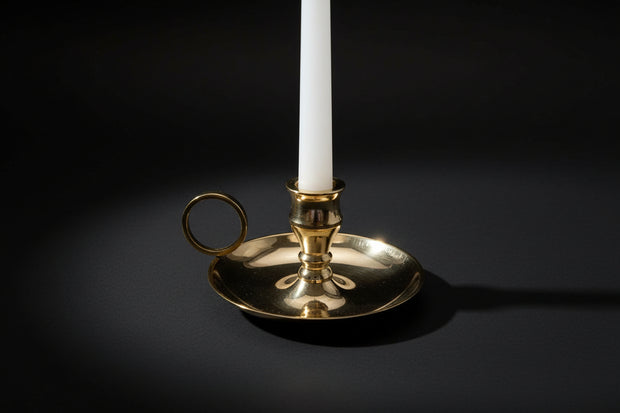
For small candles, use a fitted holder such as a chime candle holder. The practitioner’s stated purpose matters more than copying a correspondence list, and fire safety takes priority over any symbolic rule.
Candle Safety and Practical Setup
Magical intention does not reduce the ordinary risks of open flame. A safe ritual is more focused because you are not forced to divide your attention between the working and a preventable hazard.
- Use a stable, heat-resistant holder sized for the candle.
- Place the candle on a level surface away from curtains, paper, shelves, dried plants, loose fabric, pets, and children.
- Keep the wick and wax pool free of matches, herbs, paper, and other debris.
- Never leave a burning candle unattended, and extinguish it before leaving the room or going to sleep.
- Do not move a candle while the wax is liquid or the container is hot.
- Stop using a cracked holder or damaged glass container.
- Keep an appropriate method of extinguishing the flame within reach.
- Use an LED candle when open flame is prohibited or unsafe. The symbolic structure of the ritual can remain intact.
A proper holder, snuffer, and heat-safe surface are practical ritual tools rather than decorative extras. The candle accessories collection includes current options for building a safer setup.
A Simple Candle Color Selection Practice
This exercise helps beginners use correspondences without turning the ritual into a complicated formula.
- Choose one issue that is within your ability to influence.
- Write a one-sentence intention describing the quality you need.
- Select one candle color from the chart that best represents that quality.
- Place the candle in a stable holder and clear the surrounding area.
- Read the intention aloud, then light the candle.
- Spend several minutes visualizing the next practical action you will take.
- Extinguish the candle safely rather than waiting for it to burn completely.
- Take the practical action as soon as reasonably possible.
- Record the color, action, and result in a journal.
The ritual creates a deliberate transition from intention to action. The journal helps you determine which symbols support your concentration instead of relying entirely on borrowed correspondence lists.
Frequently Asked Questions About Candle Color Meanings
What is the most powerful candle color?
There is no universally most powerful color. A well-chosen color supports the purpose of the working, but clarity, consistency, safety, and practical follow-through matter more than visual intensity.
Can I use more than one candle color in a spell?
Yes. Multiple colors can represent different parts of a situation, such as blue for calm communication and green for steady professional growth. Keep each candle’s role distinct so the working does not become symbolically confused.
What if my personal color association conflicts with a chart?
Consider the source of both meanings. Follow the established correspondence when performing a formal traditional rite. In personal or eclectic work, your sincere association may be more useful, especially when the standard color creates the opposite emotional response.
Do different shades have different meanings?
They can, but they do not have to. Some practitioners distinguish light blue from dark blue or lavender from deep purple. Others use the broader color family. Shade systems are optional unless your tradition specifically requires them.
Does a candle have to be sold as a spell candle?
No. A clean candle that can be burned safely can be used for prayer, meditation, devotion, or spellwork. Specialized candles may offer convenient colors, shapes, or ritual imagery, but the label alone does not make a candle spiritually effective.
Does the candle need to burn all the way down?
No. A ritual can be completed and the candle extinguished safely. Some traditions prescribe a complete burn, while others divide the work across several sessions. Never allow a ritual rule to override fire safety or building restrictions.
Build a Candle Practice That Is Clear, Personal, and Safe
Candle color meanings in witchcraft are most useful when they help you state an intention clearly, enter a focused ritual state, and connect symbolic work with responsible action. Begin with common correspondences, respect the teachings of your tradition, and then document how colors function within your own practice.
You do not need every color or an elaborate collection to begin. Choose one suitable candle, use a stable setup, keep the working specific, and pay attention to what the ritual helps you understand or do. When you are ready to expand your options, explore our candles and select the color and form that best support the work in front of you.
Tools for this practice
Explore the products selected for this guide. Review each listing for what is included and how to use it.
Shop this guide · 4 items Collapse


Keep exploring the shop
You made it to the end of the guide. Keep exploring through related products, major departments, or the full catalog.
 RELATED TO THIS GUIDE
Candles & Incense
Shop this topic
RELATED TO THIS GUIDE
Candles & Incense
Shop this topic


Leave a comment