


Using Sigils in Candle Magic

Candle magic and sigil work combine easily because both use visible symbols, focused attention, and a deliberate beginning and ending. The sigil gives the working a defined purpose, while the candle creates a timed ritual action through light, heat, and the gradual change of the wax.
The method can be simple: create a focused sigil, place or carve it safely, charge it, light the candle, and close the working when the candle is extinguished or has completed its planned burn.
Why Sigils Work Well With Candles
A candle naturally draws the eye and marks the passage of time. A sigil condenses the intention into one symbol. Used together, they create a clear structure:
- the sigil represents the purpose;
- the candle provides a visible ritual process;
- the practitioner supplies attention and practical follow-through.
The flame does not need to burn for hours to make the working meaningful. A shorter supervised session is safer and can be just as focused.
Begin With a Clear Sigil
Write one concise intention before choosing the candle. Examples include:
- “I maintain calm focus during my scheduled work.”
- “My home maintains clear and peaceful boundaries.”
- “I act with courage during this transition.”
Then convert the statement into a personal symbol. For the full process, read Sigil Magic: Creating, Charging, and Activating Symbols of Intention.
For a structured construction method before charging and candle work, compare sigil-making tools and Sigil Forge systems.
Carving a Sigil Into a Candle
A sigil can be lightly carved into the surface of a solid candle before it is lit. Use a blunt stylus, wooden tool, or another appropriate carving implement rather than forcing a sharp blade through hard wax.
The symbol may be placed vertically, near the center, or around the candle. Keep the design shallow and away from the wick so the candle continues to burn predictably.
As the wax changes, the carved symbol is gradually altered or consumed, which can serve as the activation process.
Using a Paper Petition
Instead of carving the candle, draw the sigil on a separate piece of plain paper. Place the petition beside the candle or beneath a broad, heat-safe holder that fully separates the paper from heat and wax.
Never place loose paper directly under a candle, inside a hot holder, near the wick, or anywhere it can catch fire.
This method is useful when the sigil is detailed, the candle is too small to carve, or the practitioner wants to keep the symbol after the ritual.
Charging the Sigil Before Lighting
Before the candle is lit, focus on the sigil and recall its purpose. Charging methods may include:
- several minutes of quiet meditation;
- slow, comfortable breathing;
- visualizing the symbol becoming brighter or clearer;
- speaking the intention once;
- writing down the practical action that will accompany the ritual.
Charging should build clarity rather than tension. See Methods for Charging Sigils for additional options.
Lighting the Candle as Activation
When the candle is lit, treat that moment as the formal beginning of the working. Focus briefly on the sigil, then allow attention to move between the symbol, the flame, and the practical result you intend to support.
Constant concentration is not required. The ritual can include prayer, meditation, journaling, or quiet observation. The candle should remain attended at all times.
Choosing a Candle Color
Color correspondences vary among traditions and authors. Common modern associations include:
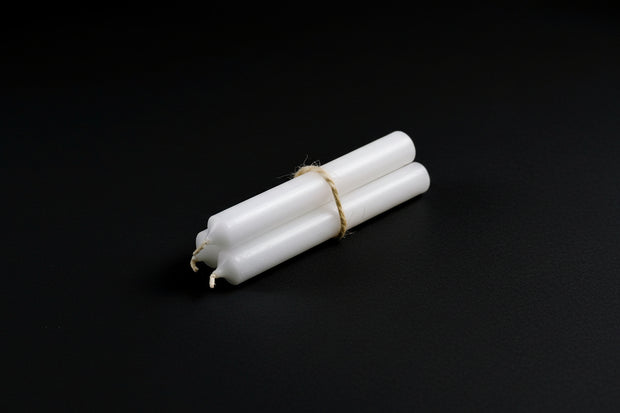
- White: clarity, general purpose, purification, or substitution;
- Green: growth, prosperity, work, or material stability;
- Blue: calm, communication, healing symbolism, or reflection;
- Red: courage, vitality, passion, or decisive action;
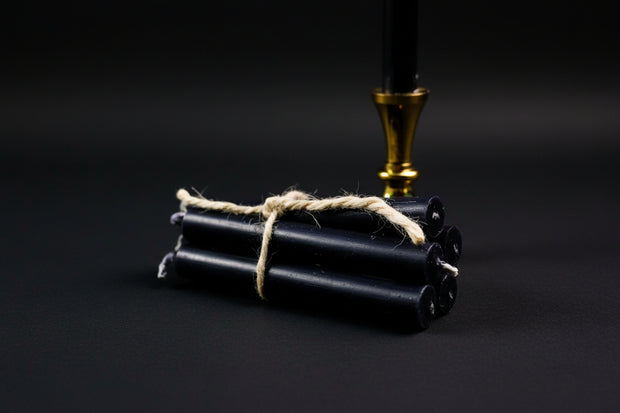
- Black: boundaries, protection, banishing, or solemn work.
These are traditions, not universal laws. A plain white candle can be used when another color is unavailable or does not fit your practice.
Adding Oils, Herbs, or Other Materials
Additional materials are optional. They also introduce additional fire risks.
- Use only a very small amount of candle-safe oil, and keep it away from the wick.
- Do not pack loose herbs around the flame or allow plant material to enter the melted wax pool.
- Keep crystals and tools far enough away that heat cannot damage them.
- Use incense only with adequate ventilation and a separate heat-safe burner.
A clean candle and a paper sigil are enough. More ingredients do not automatically create a stronger ritual.
Candle Safety Is Part of the Practice
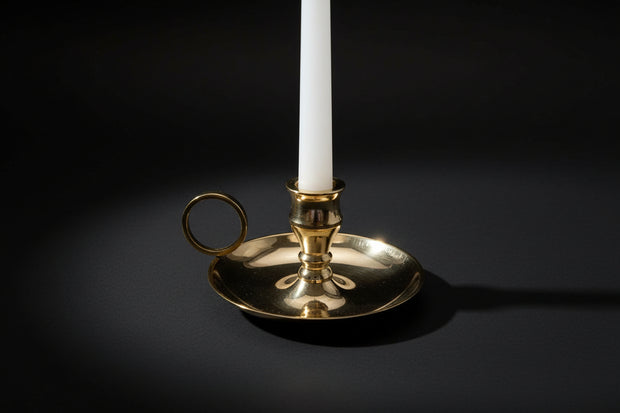
- Use a stable, nonflammable holder designed for the candle.
- Place it on a level, heat-resistant surface.
- Keep it away from shelves, curtains, drafts, pets, children, paper, and dried herbs.
- Trim an excessively long wick according to the candle maker’s instructions.
- Never leave the room while the candle is burning.
- Extinguish the candle if the flame becomes unusually large, the holder overheats, or the burn becomes unstable.
A ritual can be paused and resumed. Safety matters more than allowing a candle to burn completely.
How to Close the Working
The ritual may end when the candle reaches a planned point, when the meditation is complete, or when the flame is intentionally extinguished. State that the working is closed, allow the wax and holder to cool, and clean the area.
Paper petitions can be stored, torn, recycled when appropriate, or safely burned later in a controlled fireproof container. Do not release wax, paper, herbs, salt, or ritual remains into natural waterways or public land.
A Simple Sigil Candle Ritual
- Write one clear intention.
- Create the sigil.
- Carve it lightly into the candle or place it safely beside the holder.
- Charge the sigil for several minutes.
- Light the candle and state the intention once.
- Spend a planned, supervised period in meditation or practical work.
- Extinguish the candle safely and close the ritual.
- Take the real-world action connected to the intention.
Continue Your Sigil Study
Compare this candle method with other sigil activation methods. For common problems with intention, design, and ritual expectations, read Common Mistakes Beginners Make With Sigil Magic.
Candle and sigil work are spiritual and symbolic practices. Never leave flame unattended, and do not use ritual work as a substitute for medical, mental health, legal, financial, security, or emergency assistance.
Tools for this practice
Explore the products selected for this guide. Review each listing for what is included and how to use it.

Shop this guide · 4 items Collapse




Keep exploring the shop
You made it to the end of the guide. Keep exploring through related products, major departments, or the full catalog.
 RELATED TO THIS GUIDE
Ritual Supplies & Altar Tools
Shop this topic
RELATED TO THIS GUIDE
Ritual Supplies & Altar Tools
Shop this topic


Leave a comment