


Celtic Pagan Traditions: Druidry and Celtic Gods Explained

Celtic Paganism is a broad modern category for religious paths inspired by the pre-Christian cultures of Ireland, Britain, Gaul, and other Celtic-speaking regions. Druidry is a modern spiritual movement inspired by ancient Druids, nature reverence, poetry, philosophy, ritual, and the sacred landscape.
What Is Celtic Paganism?
Ancient Celtic religions varied by region and period rather than forming one universal system. Modern practitioners use archaeology, inscriptions, medieval literature, folklore, language, and comparative scholarship to reconstruct or reimagine devotional practice.
Common Themes
- Polytheism and devotion to regionally specific gods
- Reverence for rivers, wells, trees, hills, and local landscapes
- Ancestor remembrance and household custom
- Poetry, story, music, craftsmanship, and inspired speech
- Seasonal and agricultural observances
Modern Druidry
Modern Druidry is not a complete survival of the ancient priesthood. It is a modern movement inspired by historical accounts of Druids as religious specialists, judges, poets, teachers, and keepers of lore.
Common Druidry Practices
- Nature observation and ecological responsibility
- Seasonal ceremonies and grove rituals
- Poetry, storytelling, music, and creative expression
- Meditation, prayer, and contemplation of landscape
- Study of Celtic languages, mythology, folklore, and history
Celtic Gods Commonly Honored Today
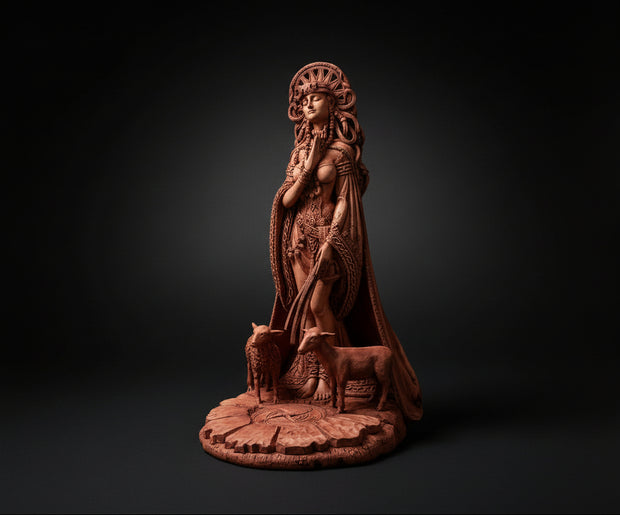
Brigid
Brigid is associated with poetry, healing, smithcraft, household fire, and the seasonal festival of Imbolc.
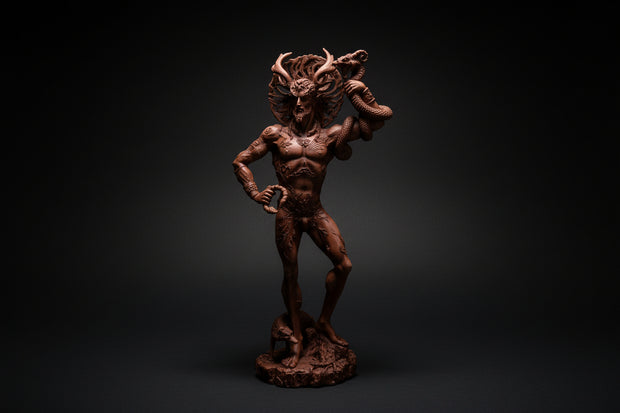
Cernunnos
Cernunnos is known primarily through continental Celtic imagery and inscriptions. Modern practitioners often associate him with animals, wild nature, prosperity, and liminal spaces.
The Morrígan
The Morrígan is a complex figure in Irish literature associated with sovereignty, battle, prophecy, fate, and transformation.
Lugh
Lugh is associated with skill, mastery, kingship, oath, arts, and the festival of Lughnasadh.
Danu and the Tuatha Dé Danann
Danu is commonly discussed in modern practice as an ancestral or maternal figure connected with the Tuatha Dé Danann, although surviving historical evidence is limited.
Celtic Pagan and Druid Ritual Practice
Sacred Landscape
Practice may center on respectful attention to local rivers, wells, trees, weather, animals, and seasonal change. Modern practitioners should follow land access rules and avoid leaving harmful offerings outdoors.
Seasonal Festivals
Samhain, Imbolc, Beltane, and Lughnasadh are widely used in Celtic-inspired modern calendars. Solstices and equinoxes are especially prominent in modern Druidry.
Poetry, Awen, and Divination
Poetry and inspired speech are central to many modern Druid paths. Ogham may be studied as a historical writing system and used in modern divination, while runes belong to Germanic rather than Celtic history.
Simple Grove Ritual
- Enter a safe natural or indoor space mindfully.
- Acknowledge the place, season, ancestors, or chosen deity.
- Offer prayer, poetry, music, clean water, or another responsible gift.
- Spend time in meditation, study, or divination.
- Close with gratitude and leave the location cleaner than you found it.
How to Begin Celtic Paganism or Druidry
- Choose a region or cultural tradition to study rather than treating “Celtic” as one culture.
- Read Irish and Welsh myth cycles alongside historical scholarship.
- Learn the difference between reconstructionist religion and modern Druidry.
- Develop a relationship with your actual local landscape.
- Begin with simple prayer, seasonal observation, poetry, and responsible offerings.
Frequently Asked Questions
Is Druidry an unchanged ancient religion?
No. Modern Druidry is a contemporary movement inspired by ancient accounts, later revival traditions, scholarship, nature spirituality, and creative practice.
Who are major Celtic gods?
Brigid, Lugh, the Morrígan, Cernunnos, and many other figures are honored, but pantheons and myths differ by region.
Can anyone study Celtic Paganism or Druidry?
Many modern groups are open, but respectful study requires cultural specificity, accurate sourcing, and avoidance of false ancestry claims.
Related Reading
Tools for this practice
Explore the products selected for this guide. Review each listing for what is included and how to use it.

Shop this guide · 3 items Collapse


Keep exploring the shop
You made it to the end of the guide. Keep exploring through related products, major departments, or the full catalog.


Leave a comment