


Paganism 101: A Beginner’s Guide to Modern Pagan Paths

Modern Paganism is a broad umbrella for religious and spiritual traditions influenced by pre-Christian religions, polytheism, nature reverence, reconstruction, folk practice, and contemporary ritual movements.
It is not one religion with a single scripture or authority. Pagan beliefs and practices differ widely between Wicca, Heathenry, Hellenic polytheism, Druidry, reconstructionist traditions, revival movements, and eclectic paths.
Choose Your Pagan Study Path
- Understand the methods: Read Syncretism vs. Eclecticism vs. Reconstructionism and Beyond Wicca: Exploring Reconstructionist Pagan Paths.
- Begin with Wicca: Use Wicca 101.
- Study Norse and Celtic paths: Continue with Norse Paganism and Ásatrú and Celtic Paganism and Druidry.
- Study Mediterranean traditions: Read Hellenic Paganism, Roman Paganism, and Kemetic Paganism.
- Study Slavic and Baltic traditions: Use Slavic Paganism and Baltic Paganism.
- Study ancient Near Eastern traditions: Continue with Mesopotamian Paganism and Canaanite Paganism.
- Build a practice: Use How to Plan a Pagan Ritual, How to Make Offerings, and How to Build a Deity Altar.
- Follow the ritual year: Start with the Wheel of the Year Guide.
What Is Paganism?
The word pagan developed through Latin and later Christian usage before being reclaimed by modern religious communities. Today it may refer to revived, reconstructed, or newly developed religions inspired by older polytheistic and land-centered traditions.
Modern Paganism differs from ancient religions because surviving evidence is incomplete and contemporary communities operate in new cultural settings. Some paths emphasize reconstruction from historical sources; others are intentionally eclectic or modern.
Common Pagan Beliefs and Worldviews
Polytheism
Many Pagans honor multiple gods with distinct identities, stories, and devotional relationships.
Animism
Some understand animals, plants, places, rivers, stones, weather, or human-made objects as having spirit, agency, or sacred presence.
Pantheism and Nature Reverence
Some understand divinity as present throughout nature or the universe. Others revere nature without identifying it as a deity.
Personal and Communal Practice
Paganism may be practiced alone, in covens, kindreds, groves, temples, households, or informal communities.
Major Modern Pagan Paths
- Wicca: A modern Pagan religion using ritual magic, seasonal festivals, and varied concepts of deity
- Heathenry and Ásatrú: Traditions inspired by pre-Christian Germanic and Norse religions
- Hellenic polytheism: Devotion to Greek gods using historical sources and modern reconstruction
- Celtic reconstructionism: Research-based revival of culturally specific Celtic traditions
- Druidry: Modern nature spirituality inspired by Celtic history, poetry, philosophy, and landscape
- Eclectic Paganism: Individually constructed practices drawing from multiple sources
- Folk and revival traditions: Regionally rooted customs, folklore, household practice, and cultural reconstruction
Common Pagan Practices
- prayer, offerings, and devotional altars;
- seasonal festivals and local nature observance;
- ancestor remembrance;
- ritual, meditation, music, poetry, or sacred art;
- divination through tarot, runes, oracle cards, or other systems;
- study of mythology, folklore, language, archaeology, and history;
- community service and environmental care.
How to Begin Exploring Paganism
- Learn the difference between broad Paganism and specific traditions.
- Choose one culture, religion, or topic to study at a time.
- Compare modern practitioner sources with historical scholarship.
- Begin a simple practice such as nature observation, journaling, or a household altar.
- Avoid claiming closed, initiatory, or culturally specific practices without appropriate access and context.
- Allow your identity to develop slowly rather than choosing a label immediately.
Frequently Asked Questions
Do Pagans worship Satan?
Paganism does not inherently involve Satan, although individual people may combine Pagan and Satanic identities.
Do Pagans have to believe in many gods?
No. Pagan communities include polytheists, animists, pantheists, duotheists, monotheists, agnostics, and non-theistic practitioners.
Do you need an altar?
No. Altars are useful tools for some traditions but are not universally required.
Can anyone become Pagan?
Many Pagan paths are open, while some cultural, initiatory, or community-specific traditions have particular boundaries.
Continue Learning
Tools for this practice
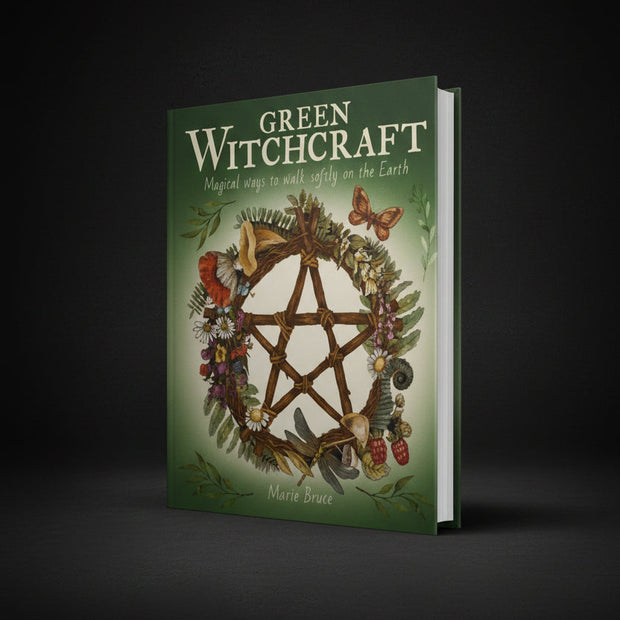
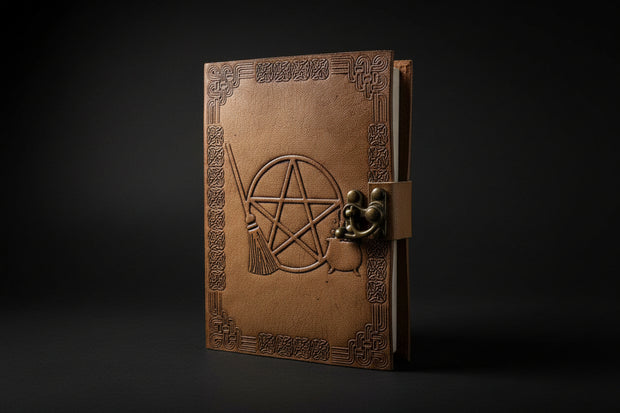
Explore the products selected for this guide. Review each listing for what is included and how to use it.

Shop this guide · 3 items Collapse


Keep exploring the shop
You made it to the end of the guide. Keep exploring through related products, major departments, or the full catalog.


Leave a comment