


Choosing a Protective Guardian for Your Home or Altar: Animals, Gargoyles, Grotesques, and Mythic Beasts

A protective guardian can take many forms: lion, cat, jaguar, raven, wolf, dragon, griffin, horned beast, ancestor figure, or architectural grotesque. The form matters because each creature brings a different set of historical associations, behaviors, stories, and visual qualities.
Choosing a guardian is not simply choosing the most intimidating statue. A figure should fit the boundary, atmosphere, and purpose of the space it occupies. A watchful cat beside a private altar communicates something different from a winged gargoyle facing the front door.
What Is a Guardian Figure?
A guardian figure is an image or object placed to mark, watch, or symbolically defend a meaningful location. Guardians appear in architecture, religious art, heraldry, tombs, temples, household shrines, gates, and folklore around the world.
Not every guardian is a deity, and not every protective animal image belongs to a formal tradition. In a modern home, a figure may be:
- A decorative symbol of vigilance
- A ritual focus for boundary work
- A reminder of personal strength
- A representation of a mythic being
- A devotional image connected to a specific path
- A threshold marker near a door or window
Clarifying which of these roles applies helps prevent a decorative purchase from being assigned invented history.
Symbolic, Devotional, or Spirit-Based?
Symbolic use treats the form as a visual language. A lion may represent courage; a raven may represent intelligence or liminality; a dragon may represent power and watchfulness.
Devotional use connects the image to a deity, culture, or established religious practice. An animal associated with a god should not automatically be treated as the god itself. Research the tradition before making offerings or claims.
Spirit-based use treats the figure as a vessel, residence, or point of contact. This is a deliberate practice and should not be assumed merely because a statue looks supernatural.
Choosing by Animal or Mythic Form
Lions
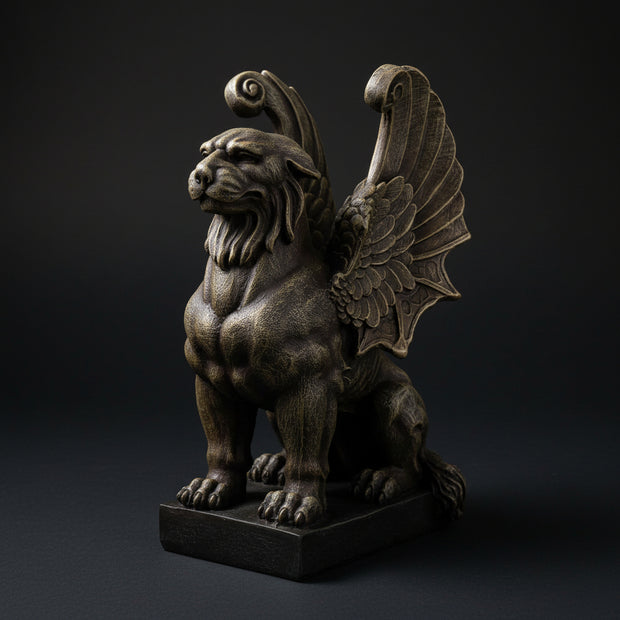
Lions commonly communicate authority, courage, solar force, and visible protection. They work well at entrances and formal altars because their posture often feels stable and commanding. A seated lion gargoyle combines the familiar threshold guardian with the exaggerated features of a grotesque.
Cats
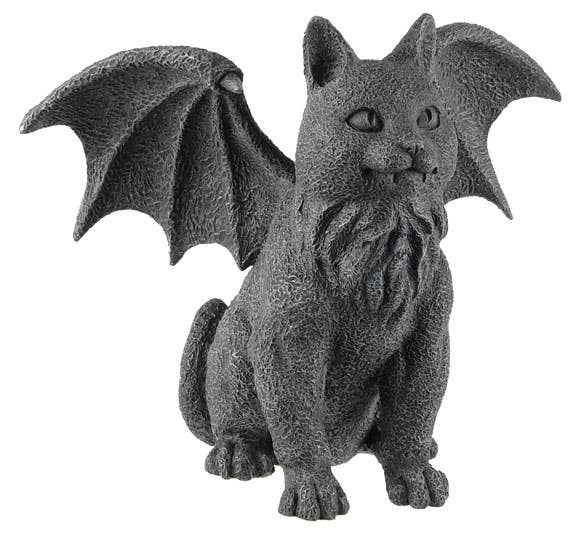
Cats suggest alertness, independence, household awareness, night vision, and selective trust. A cat guardian can feel intimate rather than militaristic, making it suitable for private rooms, bookcases, and personal altars. The winged cat gargoyle adds a liminal or supernatural quality without losing the domestic association.
Jaguars and Other Great Cats
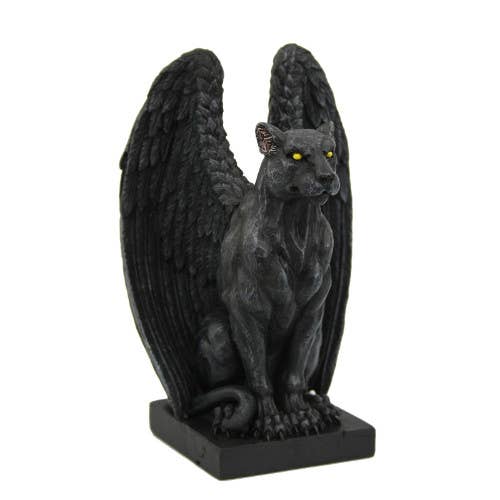
Great cats evoke stealth, territorial confidence, speed, and concentrated power. Their symbolism varies across cultures, so avoid turning every jaguar image into a generalized “shamanic” symbol. A modern jaguar gargoyle can be chosen simply for its watchful posture and forceful presence.
Ravens and Crows
Ravens and crows appear in many mythologies and folk traditions, but their meanings are not universal. They may suggest intelligence, memory, communication, scavenging, prophecy, battle, death, or movement between boundaries. A raven image works well near divination tools, books, correspondence, or a place devoted to study.
When a raven is specifically identified with Huginn and Muninn, Odin, or another named tradition, treat that context accurately rather than blending it with unrelated folklore.
Wolves and Dogs
Canine guardians often communicate loyalty, alertness, territorial defense, companionship, and guidance through dangerous places. Mythic dogs frequently guard roads, tombs, gates, or the entrance to the underworld. A wolf may feel more wild and autonomous; a dog may emphasize relationship and duty.
Dragons
“Dragon” describes many different beings across cultures. European dragons, East Asian dragons, serpentine land spirits, and modern fantasy dragons should not be treated as one tradition. In contemporary décor, dragons commonly express power, treasure keeping, wisdom, danger, elemental force, and guardianship.
Griffins
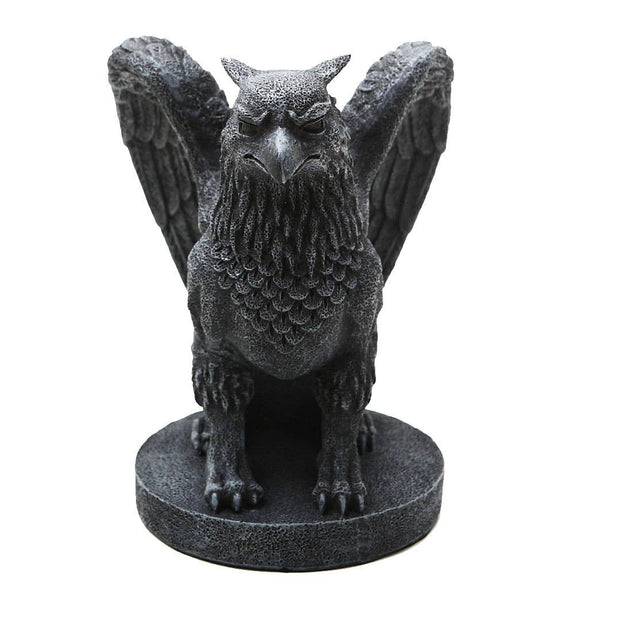
The griffin combines the lion and eagle, joining terrestrial strength with elevated sight. It has long been associated with guardianship, wealth, royal authority, and sacred boundaries. A griffin grotesque gargoyle is especially suited to a collection, library, or entrance where watchfulness matters.
Horned Guardians
Horns may suggest defense, animal vitality, wilderness, sovereignty, or confrontation. They do not automatically make a figure Satanic, demonic, or related to a specific horned deity. Let the product’s actual design and stated context guide interpretation.
Choosing by Location
Front door or entryway
Choose a stable, outward-facing figure with a clear silhouette. Avoid creating a trip hazard. Paired figures can create symmetry, while a single guardian can define one specific threshold.
Windows
A smaller figure can face outward or inward depending on whether it is meant to watch the exterior boundary or oversee the room. Keep it secure and away from direct heat and intense sunlight if made from resin.
Altar
Place guardians at the rear corners or sides so they frame the working surface. Do not crowd flames, burners, or offering vessels. If the figure is devotional, give it a placement consistent with that tradition rather than using it merely as visual balance.
Bookshelf or collection cabinet
Choose a figure associated with study, memory, or treasure keeping. A griffin, raven, cat, or small gargoyle can designate the shelf as a deliberate collection rather than random storage.
Bedroom or private room
A calm, seated, or companion-like figure may be more appropriate than a permanently aggressive image. Protection should not make the room feel hostile to the person using it.
One Guardian or Several?
More is not automatically stronger. Too many competing figures can make a space visually noisy and symbolically unclear. Begin with one guardian and a defined purpose. Add a second only when it has a separate role, such as one for the doorway and one for the working altar.
Pairs can represent balance, dual watch, or the two sides of an entrance. Mixed forms can also work: a lion for the public threshold and a cat for the private interior, for example.
A Simple Dedication Practice
- Clean the figure according to its material.
- Decide exactly what space or boundary it represents.
- Place it securely.
- State its purpose in plain language.
- Revisit the placement after several days and adjust if the room feels crowded or tense.
A dedication does not need to claim that the statue is alive. Repetition and attention can make an object meaningful without inventing supernatural certainty.
Care and Material Safety
Keep resin and composite figures away from open flame, hot charcoal, and concentrated sunlight. Dust detailed carvings with a soft brush. Use felt pads beneath heavy figures, and secure statues that stand near pets, children, or frequently opened doors.
For the architectural history of gargoyles and the technical distinction between gargoyles and grotesques, read Gargoyles and Grotesques.
Choose the Form That Matches the Boundary
A guardian is most effective as a symbol when its form makes sense for its role. Choose a lion for visible authority, a cat for household watchfulness, a raven for intelligence and liminality, a canine for loyalty, a dragon for formidable presence, or a griffin for combined strength and vigilance.
Explore the Guardian & Symbolic Statues collection and select a figure because you understand what it adds to the room—not merely because it looks fierce.
Tools for this practice
Explore the products selected for this guide. Review each listing for what is included and how to use it.
Shop this guide · 4 items Collapse


Keep exploring the shop
You made it to the end of the guide. Keep exploring through related products, major departments, or the full catalog.


Leave a comment