


Gargoyles and Grotesques: History, Protective Symbolism, and Choosing a Guardian Figure

Gargoyles occupy a strange place between architecture, folklore, and modern occult décor. Their staring faces and exaggerated bodies suggest watchfulness, danger, mockery, and protection all at once. Today, a small gargoyle statue may sit beside a doorway or on an altar as a symbolic guardian, but the figure’s history begins high above the ground, attached to stone buildings and designed to solve a practical problem.
Understanding that history makes it easier to choose a guardian figure without turning every strange carved creature into the same thing. A true gargoyle, a grotesque, a chimera, and a modern fantasy guardian may look similar, but they are not technically identical.
What Is a Gargoyle?
In architecture, a gargoyle is a carved waterspout. Rainwater travels through a channel in the sculpture and is thrown away from the wall through an open mouth or another outlet. This helps keep water from running directly down masonry, where repeated moisture can stain surfaces, weaken mortar, and accelerate damage.
The word is associated with the French gargouille, evoking the throat and the sound of gurgling water. Medieval churches made gargoyles famous, although decorative waterspouts existed long before the Gothic period. Ancient buildings also used animal heads—especially lions—to direct roof water away from walls.
That practical definition matters: if a carved creature does not carry water, it is technically a grotesque rather than a gargoyle. Everyday language is looser, and modern décor commonly uses “gargoyle” for almost any crouching, winged, horned, or monstrous guardian figure.
Gargoyle, Grotesque, or Chimera?
- Gargoyle: A carved waterspout that projects from a building and carries rainwater away from the structure.
- Grotesque: A strange, exaggerated, comic, animal, human, or hybrid carving used for decoration rather than drainage.
- Chimera: A hybrid creature assembled from multiple animal or human features. In modern architecture and décor, the word often describes invented monster forms.
- Guardian figure: A broad modern category for statues placed symbolically at entrances, boundaries, shelves, altars, or other important locations.
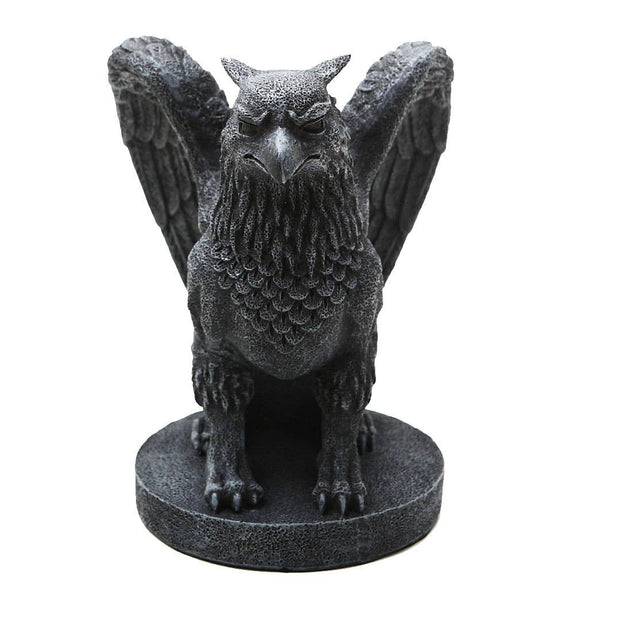
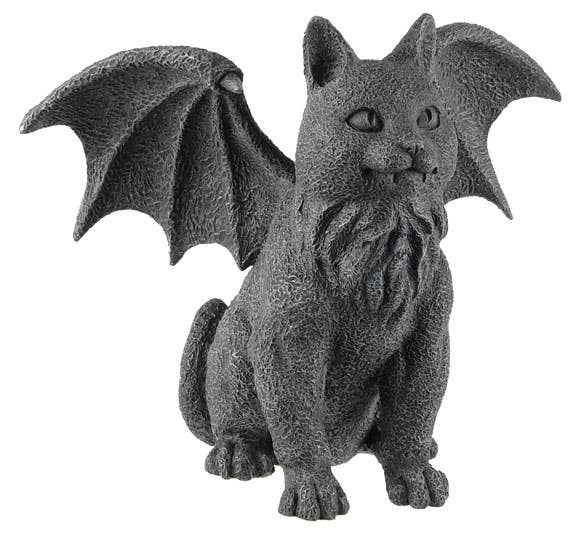
A griffin grotesque, for example, may combine the body and power of a lion with the watchfulness and elevated vision associated with a bird of prey. A winged cat gargoyle combines familiar domestic symbolism with a supernatural form. Neither needs to function as a waterspout to work as a meaningful decorative guardian.
Why Are Gargoyles So Often Seen as Protectors?
There is no single medieval explanation for every grotesque face carved into a building. The figures could be practical, decorative, humorous, frightening, moralizing, or simply demonstrations of a stone carver’s imagination. Scholars have also suggested that some grotesque heads were intended to repel evil or visually confront threatening forces.
That interpretation helped shape the modern idea of the gargoyle as a protector: a fierce figure that faces outward, watches the boundary, and meets danger before it enters. The concept is easy to understand even without claiming that every historical carving was deliberately magical. Architecture has always used lions, snakes, dragons, masks, eyes, and hybrid creatures to mark important thresholds and project authority.
In contemporary witchcraft and occult décor, a gargoyle can represent vigilance, boundary awareness, steadfastness, and the refusal to make a protected space appear passive. The statue does not need to be treated as a spirit or deity. It may simply serve as a visual reminder that a home, room, altar, or practice has limits.
Choosing a Gargoyle or Grotesque
Choose by expression
A snarling figure creates a different atmosphere from a thoughtful, seated, or mischievous one. Fierce faces are often chosen for outward-facing boundary work. Quiet or seated figures can feel more like witnesses, companions, or keepers of a private space.
Choose by animal form
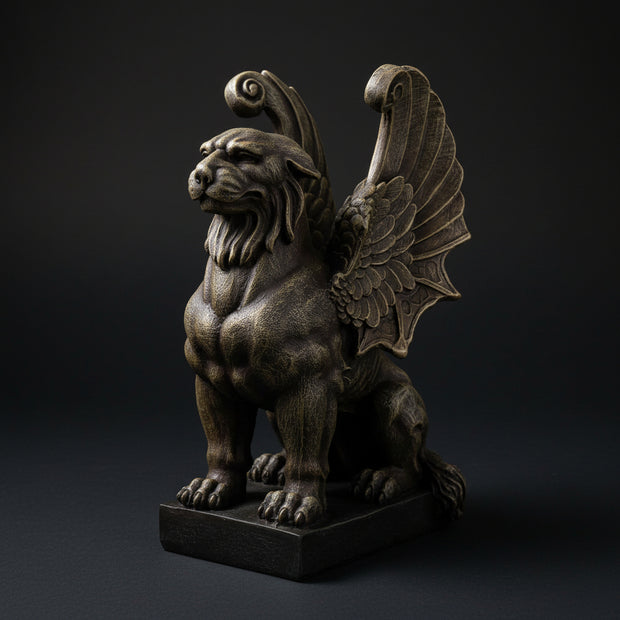
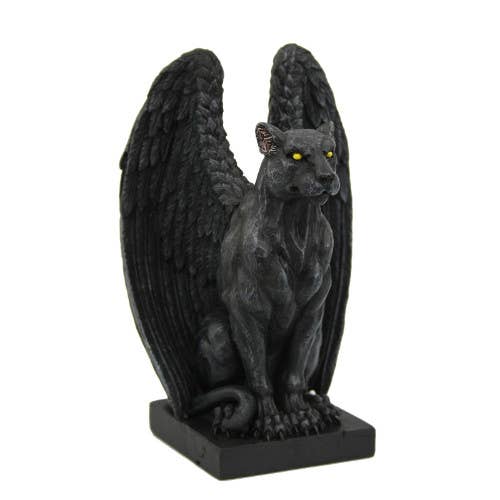
Animal features add another layer of meaning. A lion gargoyle may suggest courage, authority, and watchfulness. A cat form may suggest independence, night awareness, and familiarity with the household. A jaguar gargoyle may emphasize stealth, presence, and controlled power. Horned forms can suggest untamed nature, defiance, or the liminal quality of a being that does not belong to ordinary categories.
Choose by placement
Before buying, decide where the figure will stand. A small shelf guardian needs a stable base and readable details at close range. A doorway figure should not block foot traffic or become easy to knock over. An altar figure should leave enough room for candles, incense, bowls, and tools without crowding heat sources.
Choose by function
Ask what the figure is meant to do symbolically. Is it marking an entrance? Watching over a collection? Representing protection during ritual? Completing a Gothic display? A clear purpose makes it easier to select a figure whose posture and imagery fit the space.
Where to Place a Guardian Figure
- Near the main entrance: Face the figure toward the door or outward into the room as a boundary marker.
- Near a window: Use it to define another point where the private and public worlds meet.
- On an altar: Place it at the rear or side so it frames the working area rather than obstructing it.
- Beside books or ritual tools: A guardian can visually designate a collection as intentional and cared for.
- In a Gothic display: Pair it with dark artwork, architectural shapes, stone textures, or iron accents without forcing a spiritual meaning.
For a broader comparison of lions, cats, ravens, griffins, dragons, and other guardian forms, see our guide to choosing a protective guardian for the home or altar.
Using a Gargoyle in Ritual Practice
A guardian figure can be incorporated without elaborate claims. Clean the statue, decide what boundary it represents, and place it deliberately. Some practitioners speak a short statement of purpose, such as asking that the space remain peaceful, private, and protected. Others place the figure beside protective herbs, black salt, iron, or a candle used in boundary work.
The most important part is consistency. A statue becomes meaningful through attention, placement, and repeated association. It does not need exaggerated lore. For additional historical and practical protection context, read Folk Protection and Counter-Magic in Traditional Craft.
Care and Safety
Most modern guardian statues are made from resin, composite stone, ceramic, or metal. Dust them with a soft, dry cloth and avoid soaking painted finishes. Keep resin away from direct flame, hot charcoal, and candle heat. If a figure is used outdoors, confirm that the material and finish are weather-resistant; many indoor statues can fade, crack, or collect moisture when exposed to changing temperatures.
Place heavier figures on stable furniture. Felt pads can protect shelves and reduce sliding. If children or animals share the space, avoid narrow ledges and high-traffic corners.
A Guardian With History, Not a Manufactured Legend
Gargoyles are compelling because they combine real architectural history with an open field of interpretation. They were functional waterspouts, displays of craftsmanship, strange inhabitants of sacred architecture, and—at least in some cases—images that may have been understood as protective or apotropaic.
A modern statue does not need to imitate a medieval church carving perfectly to carry meaning. Choose a figure whose form, posture, and expression make sense for the boundary you want to mark. Explore the Guardian & Symbolic Statues collection to compare different forms without treating every monster, animal, and grotesque as interchangeable. For room-scale styling beyond guardian figures, browse Gothic & Occult Home Decor.
Tools for this practice
Explore the products selected for this guide. Review each listing for what is included and how to use it.
Shop this guide · 4 items Collapse


Keep exploring the shop
You made it to the end of the guide. Keep exploring through related products, major departments, or the full catalog.


Leave a comment