


Folk Protection and Counter-Magic in Traditional Craft

Folk protection and counter-magic are practices intended to reinforce boundaries, reduce fear, mark separation from conflict, and support a household or individual after an unsettling event. They work best alongside practical security, documentation, communication, legal remedies, and appropriate professional help.
“Counter-magic” does not require harming or targeting another person. Many traditions emphasize cleansing, uncrossing, containment, reversal, or returning attention to one’s own boundaries.
Core Principles of Folk Protection
- Boundaries: Define what is welcome and unwelcome.
- Containment: Keep symbolic materials controlled and easy to remove.
- Cleansing: Restore order through cleaning, bathing, prayer, sound, or fresh air.
- Practical support: Repair locks, improve lighting, save evidence, and contact appropriate help.
- Non-escalation: Avoid obsession, retaliation, threats, and confrontational ritual.
- Closure: End the work deliberately and return to normal activity.
Household Protection Methods
Threshold Ward
Place a removable symbol, key, broom, contained salt dish, or written household boundary near the main entrance.
Protective Floor Wash
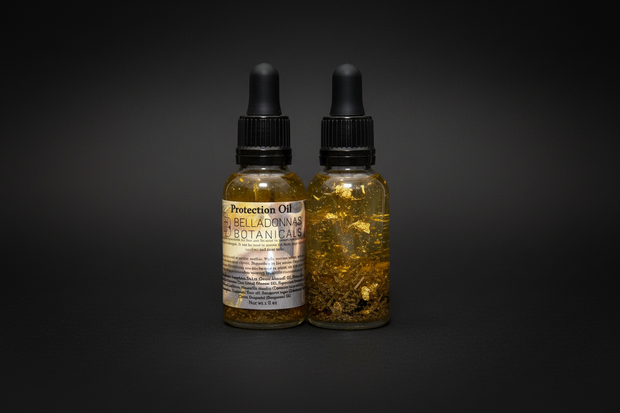
Clean compatible surfaces with an ordinary labeled cleaning product while speaking a boundary statement. Do not mix chemicals or add untested herbs and oils.
Door and Window Sigils
Draw a protection sigil on removable paper, chalk where permitted, or a small plaque. Physical locks and window maintenance remain essential.
Household Charm Jar
Use a sealed labeled jar containing a written boundary, key, coin, rosemary, or another dry symbolic material. Keep it away from children, pets, flame, and food.
Personal Protective Charms
- A written prayer or sigil carried in a wallet
- A key or coin used as a boundary reminder
- A closed charm bag with one or two clearly identified materials
- A piece of jewelry connected with a personal commitment
- A black, red, or white thread tied around an object rather than tightly around the body
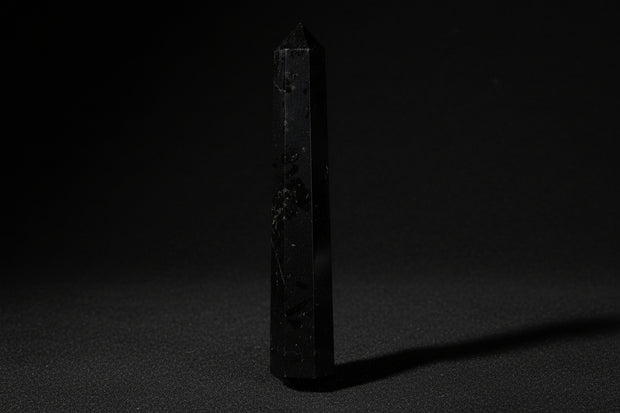
- A grounding stone carried safely
A charm should not interfere with circulation, mobility, medication, work equipment, or legal restrictions.
Non-Harmful Counter-Magic Methods
Uncrossing and Cleansing
Take an ordinary shower or bath without ritual additives, change clothes, clean the room, open windows when safe, and write what boundary needs to be restored.
Mirror or Reflection Symbolism
Place a small mirror facing inward on your altar as a reminder to examine fear and return responsibility to its proper source. Do not aim reflective objects at roads, neighbors, or wildlife.
Contained Black Salt
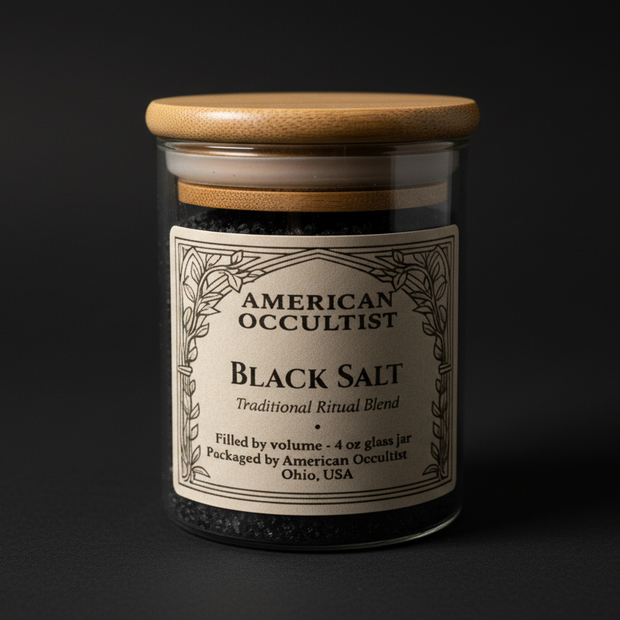
Use a sealed jar or dish of ritual black salt as a boundary symbol. Do not scatter it outdoors, across floors, at crossroads, or on another person’s property.
Cutting the Cord Symbolically
Cut an ordinary loose piece of string representing an unwanted attachment. Keep blades stable and away from the body. Pair the ritual with blocking, documentation, distance, or another practical boundary.
Return to Sender Without Targeting
Phrase the work as release: “What is not mine leaves my space; responsibility returns to its proper source.” Avoid naming, threatening, stalking, or attempting to manipulate another person.
Aftercare and Follow-Through
- Write what happened in concrete terms.
- Identify any practical danger or harassment.
- Save messages, photographs, dates, or other evidence when relevant.
- Contact landlords, employers, law enforcement, legal counsel, medical care, or support services when appropriate.
- Complete one symbolic ritual and stop rather than repeating it compulsively.
- Return to sleep, meals, work, and ordinary routines.
Frequently Asked Questions
Does folk protection replace home security?
No. Locks, lighting, maintenance, communication, insurance, and emergency planning remain primary.
Does counter-magic have to target another person?
No. Cleansing, containment, boundary setting, release, and practical action can address the situation without retaliation.
How often should protection work be repeated?
Refresh it when the physical setup needs maintenance or the household situation changes, not from constant fear or compulsion.
Related Reading
Tools for this practice
Explore the products selected for this guide. Review each listing for what is included and how to use it.

Shop this guide · 4 items Collapse


Keep exploring the shop
You made it to the end of the guide. Keep exploring through related products, major departments, or the full catalog.
 RELATED TO THIS GUIDE
Ritual Herbs
Shop this topic
RELATED TO THIS GUIDE
Ritual Herbs
Shop this topic


Leave a comment