


Traditional Witchcraft: Beliefs, Folklore, and Practical Craft

Traditional witchcraft is a modern umbrella term used for a range of practices influenced by folklore, cunning craft, regional magic, spirit work, land-based customs, and contemporary reconstruction. It is not one standardized religion, and the word “traditional” does not automatically prove an unbroken lineage from the distant past.
Practitioners use the label in different ways. Some emphasize historical charms and household magic. Others focus on trance, spirits, local folklore, devotional relationships, or a deliberately non-Wiccan form of craft.
What Traditional Witchcraft Is—and Is Not
Traditional witchcraft is best understood as a family of modern approaches rather than a single institution. It may draw inspiration from:
- documented cunning-folk and folk-healing practices;
- regional charms, prayers, and protective customs;
- European witch folklore and trial records;
- animist or land-centered spirituality;
- modern occult systems that reinterpret older material.
These sources are not interchangeable. Trial records, folklore collections, archaeology, family customs, and modern magical books each require different methods of interpretation.
Traditional Witchcraft and Historical Evidence
Historical cunning people, charmers, healers, diviners, and magical specialists performed practical services in many communities. Their work could include healing prayers, locating lost property, countering suspected bewitchment, preparing charms, or advising neighbors.
That history does not mean every modern practice is a direct survival from pre-Christian religion. Responsible study distinguishes:
- documented historical practice;
- folklore recorded after the fact;
- claims produced under interrogation or persecution;
- modern reconstruction;
- personal spiritual experience.
Cunning Folk and Witches Were Not Identical Categories
Popular writing sometimes treats cunning people and accused witches as the same group. Historical communities often distinguished between helpful magical specialists and people accused of harmful witchcraft, though those boundaries could shift.
Modern practitioners may draw from both bodies of material, but the historical distinction should not be erased.
Folklore, Trial Records, and the Devil Figure
Early modern witch-trial records contain accounts of pacts, nocturnal meetings, familiar spirits, harmful magic, and the Devil. These documents were shaped by theology, legal pressure, rumor, translation, and coercive interrogation.
Some modern traditional witches reinterpret the folkloric Devil, Man in Black, witch-father, or horned initiator as a spiritual figure. Others treat those images as symbolic, literary, or historically imposed. No single interpretation represents the entire field.
Common Areas of Practice
Charms and spoken magic
Rhymed charms, prayers, repeated phrases, and direct commands appear throughout folk-magic records. Modern practitioners may study their structure while respecting the religious language and regional context of the originals.
See Traditional Witch Charms and Spoken Spellcraft.
Protection and counter-magic
Household protection, threshold customs, amulets, iron, bottles, knots, and cleansing practices are common subjects. Historical objects should be studied carefully rather than copied without context or safety judgment.
See Folk Protection and Counter-Magic in Traditional Craft.
Spirit relationships
Some practitioners work with ancestors, land spirits, household spirits, saints, deities, familiars, or other named beings. These relationships are interpreted differently across religious and nonreligious frameworks.
Approach spirit work slowly, maintain boundaries, and avoid treating every thought, dream, or coincidence as an external command. See Working With Familiar Spirits.
Trance and hedge crossing
Dreamwork, visualization, repetitive sound, and trance may be used for divination or spirit-oriented practice. Avoid sleep deprivation, extreme breathwork, intoxicants, or methods that worsen dissociation, panic, mania, psychosis, or other health conditions.
See Hedge-Crossing Techniques in Traditional Craft.
Land and place
Many practitioners pay close attention to local weather, seasonal change, boundaries, roads, wells, cemeteries, plants, and household spaces. Place-based practice should include ecology, property law, consent, and respect for living communities—not only symbolic interpretation.
Traditional Witchcraft and Wicca
Traditional witchcraft and Wicca may overlap in individual practice, but they are not synonyms. Wicca is a modern Pagan religion with recognizable ritual and theological currents. Traditional witchcraft is a broader label that may be religious, nonreligious, animist, devotional, folkloric, or operative.
A practitioner may identify with both, one, or neither.
Tools and Materials
No universal tool list exists. Depending on the practice, a working set may include:
- a candle or lamp;
- a bowl, cup, or offering dish;
- thread, cord, paper, or pins;
- a bell, staff, knife, or household tool used symbolically;
- local plants that have been identified and handled safely;
- a journal containing sources and observations.
Tools should follow a method. Buying an object does not create historical lineage or spiritual authority.
Ethics and Responsibility
There is no single moral code shared by everyone using this label. Responsible practice still requires:
- consent and respect for other people’s property;
- care with cultural and religious traditions;
- environmentally responsible offerings and disposal;
- fire, plant, smoke, and tool safety;
- honesty about uncertainty and personal experience;
- practical action when safety, health, or legal problems exist.
Common Misconceptions
“Traditional” guarantees an ancient lineage
It does not. Ask what is documented, reconstructed, inherited, or personally developed.
Traditional witchcraft is automatically Satanic
No. Some practitioners work with adversarial or Devil figures; many do not.
Every folk custom can be freely combined
No. Customs belong to specific places, communities, religions, and histories.
Spiritual explanations replace ordinary ones
No. Check physical, medical, psychological, legal, and interpersonal explanations before declaring supernatural causation.
Beginning a Grounded Practice
- Study the folklore and history of one region.
- Learn basic household and personal safety.
- Keep clear source notes.
- Begin with low-risk observation, journaling, and simple charms.
- Distinguish belief, history, and personal experience.
- Develop spirit or trance practices slowly, when appropriate.
- Revise your methods when better evidence becomes available.
A Living but Honest Craft
Traditional witchcraft can be a meaningful modern practice without pretending every element is ancient or universally shared. Its strongest forms combine careful study, regional awareness, practical skill, spiritual discernment, and honesty about reconstruction.
Traditional witchcraft is a spiritual and folkloric field. Ritual should not replace medical, mental-health, legal, financial, security, or emergency assistance. Avoid unsafe fire, plants, breathwork, blood use, intoxicants, and trespassing.
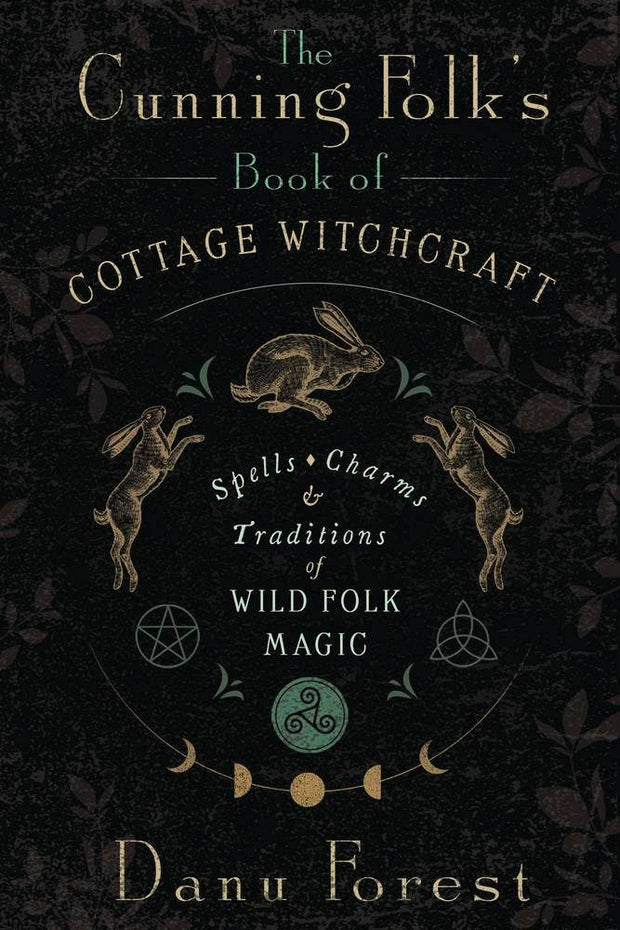
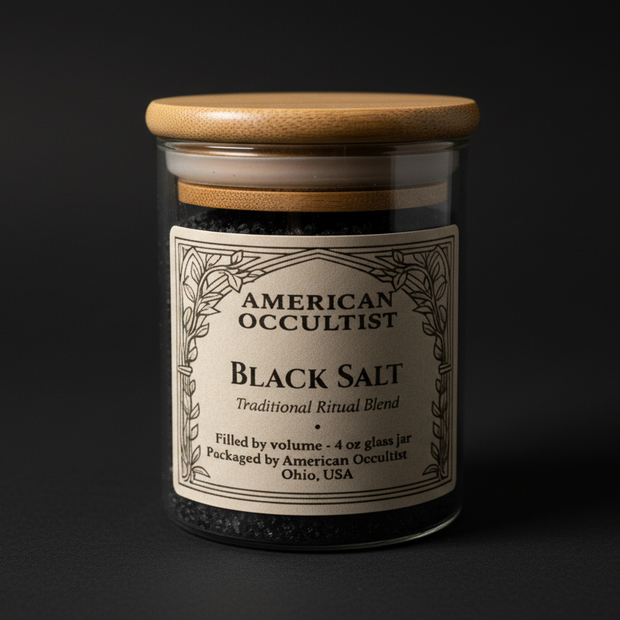
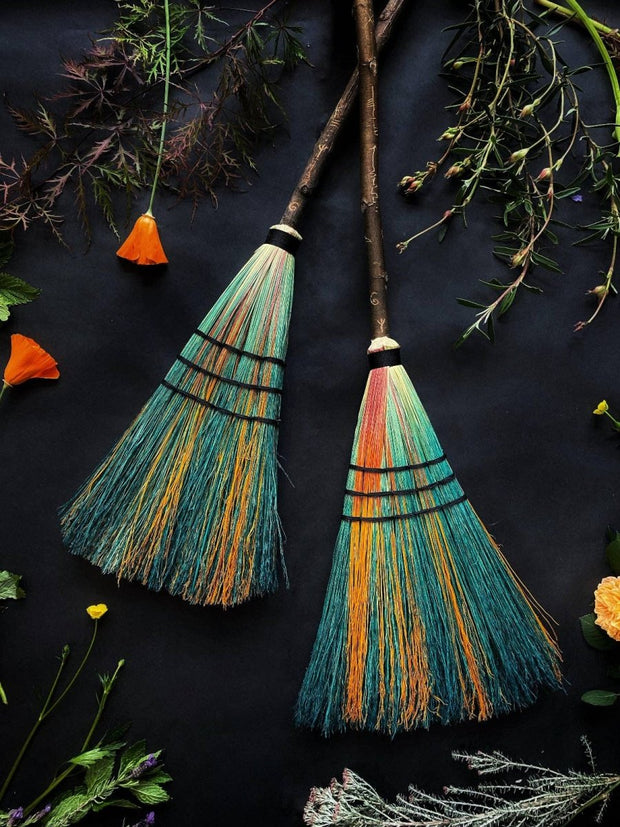
Tools for this practice
Explore the products selected for this guide. Review each listing for what is included and how to use it.
Shop this guide · 3 items Collapse


Keep exploring the shop
You made it to the end of the guide. Keep exploring through related products, major departments, or the full catalog.


Leave a comment