


Hedge Witch Herbs: A Beginner-Friendly Guide to Lore, Ethical Foraging, and Safer Practice

Herbs in hedge witchcraft are studied through several overlapping lenses: local ecology, plant identification, culinary and household use, historical folklore, modern magical correspondence, and physical safety.
No plant is safe because it is natural or magically associated with healing. Correct identification, dose, preparation, medication interactions, allergies, pregnancy, pets, and local law all matter.
How Hedge Witches Study Plants
- Record the common and botanical names.
- Learn the plant family and distinguishing features.
- Study habitat, season, ecological role, and local status.
- Separate documented historical use from modern correspondence.
- Identify toxic look-alikes and physical risks.
- Use field guides, extension services, herbaria, and qualified experts.
- Do not rely on a single app, photo, or social-media post.
10 Common Hedge-Witch Herbs
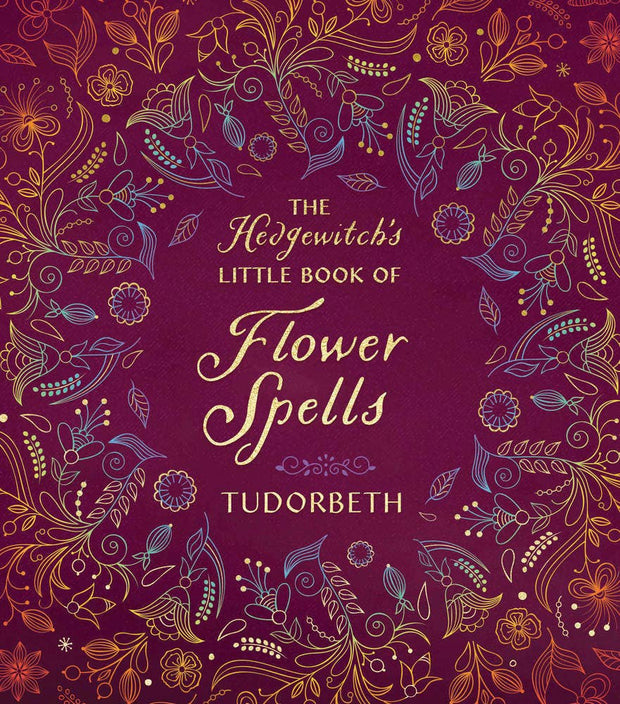
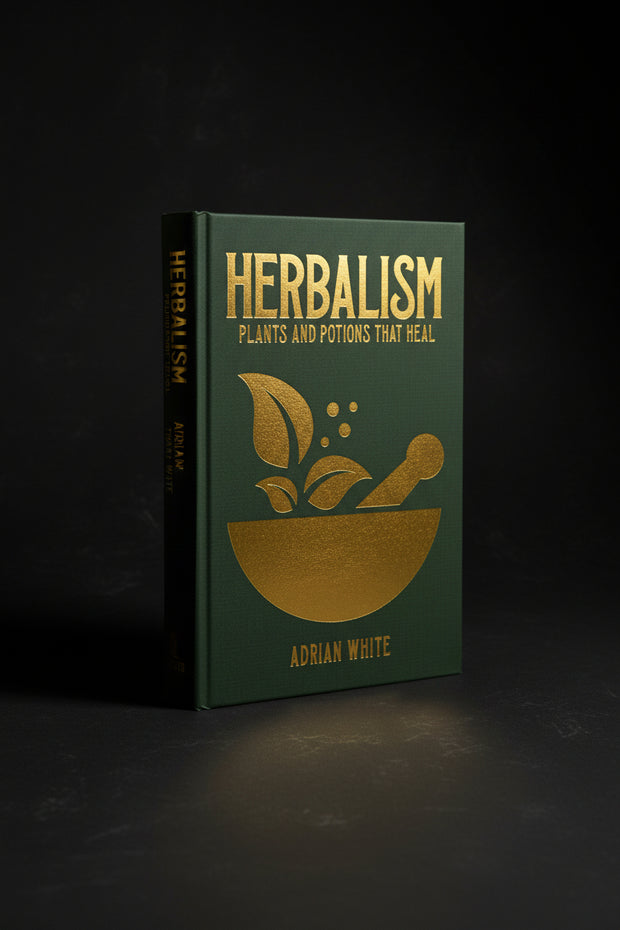
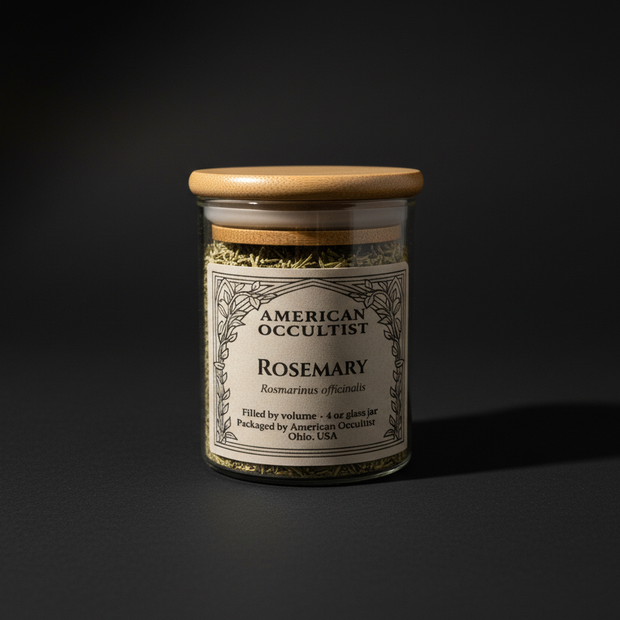
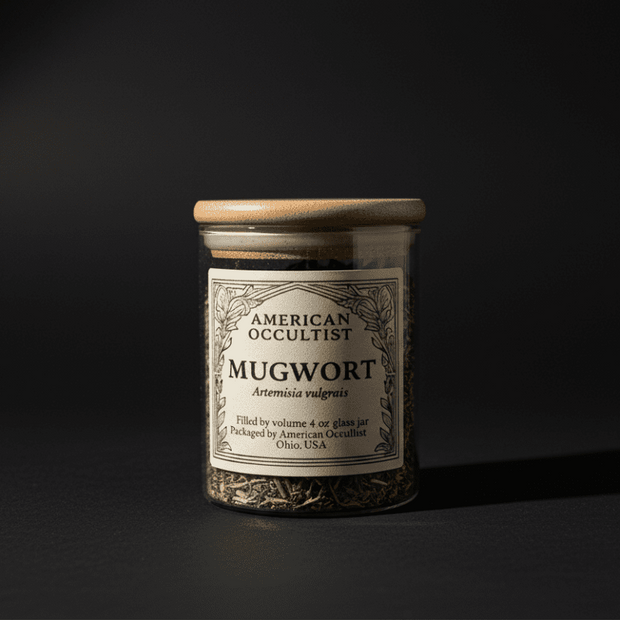
For those who prefer labeled retail botanicals to uncertain wild harvesting, introductory herbal reference books and ritual herbs offer a starting point. Ritual products are not automatically safe to eat, smoke or apply to skin.
1. Rosemary
Modern associations: Protection, remembrance, clarity, and household cleansing.
Low-risk ritual use: Keep a labeled sprig in a sealed jar near a doorway or ancestor space.
2. Lavender
Modern associations: Peace, sleep, affection, and gentle purification.
Low-risk ritual use: Use a closed sachet or jar away from pets and children.
3. Mugwort
Modern associations: Dreams, divination, lunar practice, and thresholds.
Safety: Avoid casual ingestion, smoking, and use during pregnancy. It may trigger allergies in people sensitive to the daisy family.
4. Yarrow
Modern associations: Boundaries, courage, protection, and divination.
Low-risk ritual use: Use a botanical illustration or sealed specimen rather than internal or skin use.
5. Nettle
Modern associations: Defense, resilience, strength, and reversal.
Safety: Fresh stinging hairs irritate skin. Wear suitable gloves and learn proper identification.
6. Hawthorn
Modern associations: Boundaries, protection, folklore, the Otherworld, and seasonal transition.
Safety: Do not harvest from protected or private land; thorns cause injury, and medicinal use can interact with heart medications.
7. Elder
Modern associations: Protection, ancestry, death, renewal, and household folklore.
Safety: Species and plant parts differ in toxicity. Do not prepare food or medicine without reliable identification and guidance.
8. Basil
Modern associations: Prosperity, harmony, hospitality, and protection.
Low-risk ritual use: Grow culinary basil or use a labeled dried sample kept separate from ritual-only material.
9. Bay
Modern associations: Success, honor, protection, wishes, and divination.
Safety: Do not burn leaves indoors or swallow whole leaves.
10. Chamomile
Modern associations: Peace, luck, gentleness, and prosperity.
Safety: People with ragweed-family allergies may react. Ritual correspondence alone is not a reason to prepare tea.
Low-Risk Ritual Uses
- Sealed labeled jars
- Botanical drawings and pressed specimens
- Closed charm bags stored safely
- Altar displays away from flame and moisture
- Written plant names within petitions or sigils
- Garden observation and seasonal journaling
- Ordinary cooking only with correctly identified food-grade ingredients and tested recipes
Ethical Harvesting and Sourcing
- Know land ownership and collection rules.
- Avoid rare, protected, threatened, or culturally sensitive species.
- Take only what can be gathered without damaging the plant population.
- Do not introduce seeds or plant material into new habitats.
- Purchase from reputable suppliers when wild collection is uncertain.
- Keep labels, dates, and source information.
Herbal Safety Rules
- Do not ingest, smoke, vape, burn, bathe with, or apply an herb based solely on magical correspondence.
- Keep ritual herbs separate from food, medicine, and tea.
- Do not use poisonous plants to induce trance or spirit flight.
- Check medication, pregnancy, allergy, child, and pet risks.
- Discard damp, moldy, infested, unidentified, or unlabeled material.
- Contact Poison Control in the United States at 1-800-222-1222 after suspected exposure; call emergency services for severe symptoms.
Frequently Asked Questions
What herb should a beginner hedge witch study first?
Begin with one clearly labeled, familiar culinary herb such as rosemary or basil and learn its botany, folklore, safety, and local growing conditions.
Do hedge-witch herbs need to be wild harvested?
No. Garden-grown and responsibly purchased herbs are often safer, more sustainable, and easier to identify.
Can herbs be used for trance?
Trance does not require ingestion or smoke. Visualization, rhythm, breath, journaling, and scrying provide safer methods.
Related Reading
Tools for this practice
Explore the products selected for this guide. Review each listing for what is included and how to use it.
Shop this guide · 4 items Collapse


Keep exploring the shop
You made it to the end of the guide. Keep exploring through related products, major departments, or the full catalog.


Leave a comment