


The Hedge Witch Altar and Tools: Minimal Setups, Travel Altars, and Liminal Tools

A hedge-witch altar is a practical space for trance, herbal study, household protection, ancestor or spirit work, divination, and seasonal observation. It can be permanent, portable, hidden, or assembled only when needed.
No single tool is required. A useful altar stays uncluttered, physically safe, and connected to the practitioner’s actual work.
Choose the Altar Location
- Use a stable shelf, table, tray, cabinet, windowsill, or wooden box.
- Keep flame, smoke, oils, herbs, and water away from fabric, books, electronics, pets, and children.
- Choose privacy appropriate to your household.
- Leave enough space for journaling, cards, a bowl, or a scrying mirror.
- Use a portable setup when permanent display is impractical.
Common Hedge-Witch Altar Tools
Journal or Book of Practice
Record dreams, trance sessions, plant notes, folklore, divination, seasonal changes, and source information.
Key, Gate, or Threshold Symbol
A key, miniature gate, cord, or doorway image can represent deliberate crossing and return.
Mirror or Scrying Bowl
A dark mirror or bowl of water may support visual meditation. Interpret images cautiously and keep water away from sensitive minerals and electronics.
Candle or LED Light
A light marks the beginning and ending of ritual. LED candles are suitable for long sessions, enclosed spaces, and households where flame is unsafe.
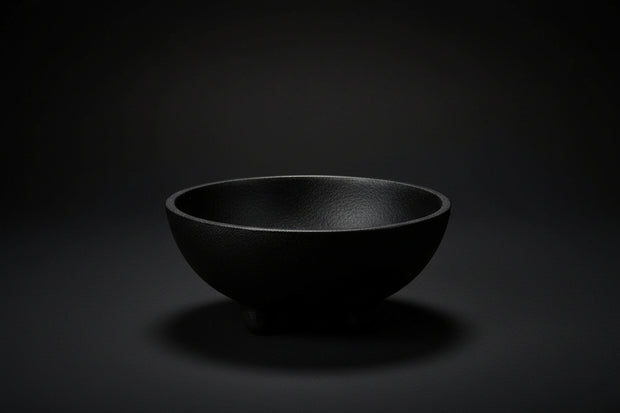
Offering Bowl
Use a washable bowl for clean water, flowers, bread, or another appropriate offering. Remove perishable material before it spoils.
Herbs and Botanical References
Keep clearly labeled herbs in sealed jars and store ritual-only material separately from food, medicine, and tea.
Stone or Grounding Object
A familiar stone, coin, piece of wood, or iron key can serve as a tactile return and grounding symbol.
Broom, Staff, or Walking Stick
A small broom or besom may represent household cleansing and boundaries. A staff or stick can symbolize travel, land, and support.
A Simple Hedge-Witch Altar Layout
- Place the mirror, deity image, spirit symbol, or seasonal object at the back.
- Set the candle or LED light to one side with clear space around it.
- Place the offering bowl on the opposite side.
- Keep the journal and divination tools at the front where they can be used easily.
- Place the key, cord, or grounding object near the center.
- Add only one or two herbs or stones connected with the current work.
Altar Variations by Purpose
Hedge-Crossing Altar
Use a threshold symbol, mirror, timer, journal, grounding object, and safe light.
Herbal Study Altar
Use labeled jars, botanical illustrations, field guides, magnification, and a notebook. Do not place unknown plants near food or flame.
Ancestor or Familiar-Spirit Altar
Use written names, copies of photographs, clean water, a candle or LED light, and a journal for discernment.
Household Protection Altar
Use a key, contained salt, broom, protective sigil, and written household boundaries alongside practical security measures.
Portable and Hidden Altars
A tin, drawer, basket, tray, or wooden box can hold:
- A printed threshold image
- A small LED candle
- A key or stone
- A folded cloth
- A compact journal and pen
- A miniature bowl or vial
Portable altars are useful for privacy, travel, outdoor study, and keeping fragile materials secure.
Maintenance and Safety
- Dust the surface and inspect containers, cords, and stands.
- Remove stale water, spoiled food, damp herbs, and ash.
- Keep loose botanicals, paper, oil, and powders away from flame.
- Store sharp, toxic, fragile, or small objects securely.
- Do not overcrowd the working surface.
- Retire tools that no longer serve a clear purpose.
Frequently Asked Questions
What does a hedge-witch altar need?
A journal, safe light, threshold symbol, and one grounding object create a complete beginning.
Can a hedge-witch altar be outdoors?
A temporary outdoor setup may be used where legal and safe, but everything should be removed afterward without disturbing the site.
Do herbs have to be displayed?
No. Botanical drawings, written names, and field guides can provide the same study focus without storing loose plants.
Related Reading
Tools for this practice
Explore the products selected for this guide. Review each listing for what is included and how to use it.

Shop this guide · 2 items Collapse


Keep exploring the shop
You made it to the end of the guide. Keep exploring through related products, major departments, or the full catalog.
 RELATED TO THIS GUIDE
Divination Tools
Shop this topic
RELATED TO THIS GUIDE
Divination Tools
Shop this topic


Leave a comment