


Herbal Magic 101: 10 Herbs and Their Symbolic Uses

Herbal magic uses plants as symbols within folk practice, ritual, household custom, and personal spirituality. Correspondences vary by culture, historical period, author, and practitioner. They are not scientific properties and should not be treated as medical instructions.
For beginners, the safest approach is to study clearly labeled herbs and use them in closed containers, artwork, journaling, or ordinary cooking only when the herb is a familiar food ingredient used according to a reliable recipe.
10 Essential Herbs and Their Magical Symbolism
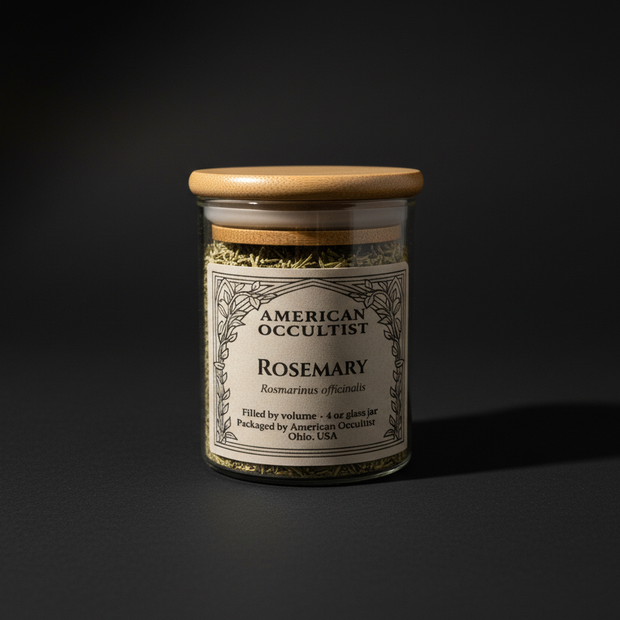
1. Rosemary
Associations: remembrance, protection, loyalty, and purification. Safer use: Keep a labeled sprig in a sealed jar beside photographs or a journal. Do not burn it indoors.
2. Lavender
Associations: calm, peace, affection, and rest. Safer use: Place a small amount in a closed decorative sachet kept away from pets and children. Do not place loose plant material under a pillow.
3. Basil
Associations: prosperity, harmony, protection, and hospitality. Safer use: Grow culinary basil or use it as food according to an ordinary recipe. Keep ritual herbs separate from cooking supplies.
4. Bay
Associations: success, honor, protection, and divination. Safer use: Write an intention on paper beside a bay leaf rather than burning it. Bay leaves should not be swallowed whole.
5. Chamomile
Associations: peace, luck, gentleness, and prosperity. Safer use: Display a labeled sample in a closed jar. People with ragweed-family allergies may react to chamomile.
6. Mint
Associations: clarity, renewal, movement, and prosperity. Safer use: Grow culinary mint in a container because many varieties spread aggressively. Keep essential oils away from skin, children, and pets.
7. Rose
Associations: love, grief, beauty, devotion, and self-respect. Safer use: Use untreated petals for pressed art or a sealed jar. Florist roses may contain pesticides and should not be eaten or added to baths.
8. Thyme
Associations: courage, strength, household protection, and remembrance. Safer use: Use culinary thyme in normal cooking or keep a labeled dried sample. Do not make concentrated oils or smoke blends.
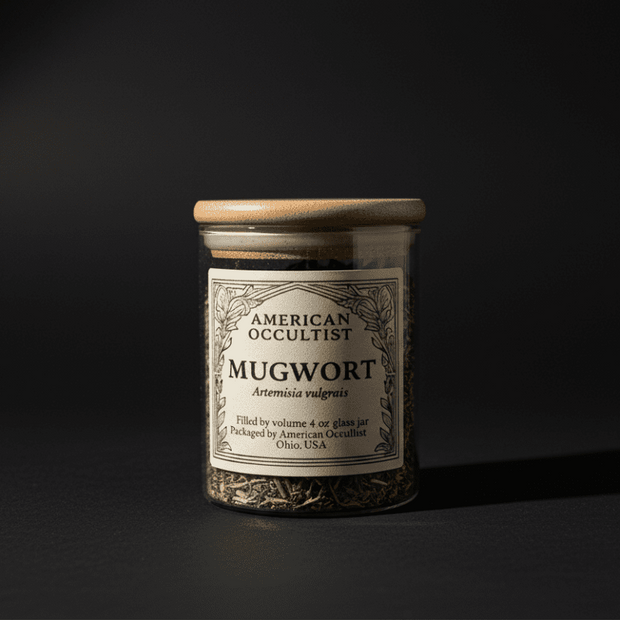
9. Mugwort
Associations: dreams, divination, thresholds, and lunar practice. Safer use: Study its folklore without ingesting or burning it. Mugwort can trigger allergies and is not appropriate for casual internal use, especially during pregnancy.
10. Yarrow
Associations: boundaries, courage, divination, and protection. Safer use: Use a photograph, botanical illustration, or sealed labeled specimen. Do not ingest or apply it to skin based on a correspondence list.
How to Build a Safer Herbal Magic Cabinet
- Buy botanicals from reputable sellers with the common name, botanical name, and lot information.
- Keep ritual plants separate from food, medicine, and tea.
- Label every container and include the purchase date.
- Store herbs dry, sealed, and away from heat, sunlight, children, and animals.
- Discard anything moldy, damp, infested, unlabeled, or uncertain.
- Study a small number of plants until you understand their risks and cultural context.
Fire, Smoke, Skin, and Ingestion Safety
Do not roll oiled candles in herbs, sprinkle plant material around flames, or burn unidentified botanicals. Smoke and airborne oils can irritate people and animals. Use an LED candle or keep botanicals sealed and separated from supervised flame.
Do not drink, smoke, vape, bathe with, or apply a ritual herb merely because it appears on a magical list. Consult a qualified clinician or pharmacist about health use, interactions, allergies, pregnancy, and dosing.
A Beginner Herbal Study Exercise
- Choose one familiar herb.
- Record its common and botanical names.
- Separate culinary facts, documented historical uses, folklore, modern magical associations, and medical claims.
- Create a non-ingestive symbol, such as a drawing, pressed leaf, or sealed jar.
- Write how the symbolism connects to one practical action in your life.
Frequently Asked Questions
Are magical herb correspondences scientific?
No. Correspondences are cultural, historical, and spiritual associations rather than scientifically proven powers.
Can ritual herbs be used as tea?
Do not prepare tea based only on a magical list. Use only correctly identified food-grade ingredients and reliable culinary guidance.
What herbs should a beginner start with?
Begin with clearly labeled, familiar culinary herbs and use them symbolically in sealed containers, artwork, or study.
Related Reading
Tools for this practice
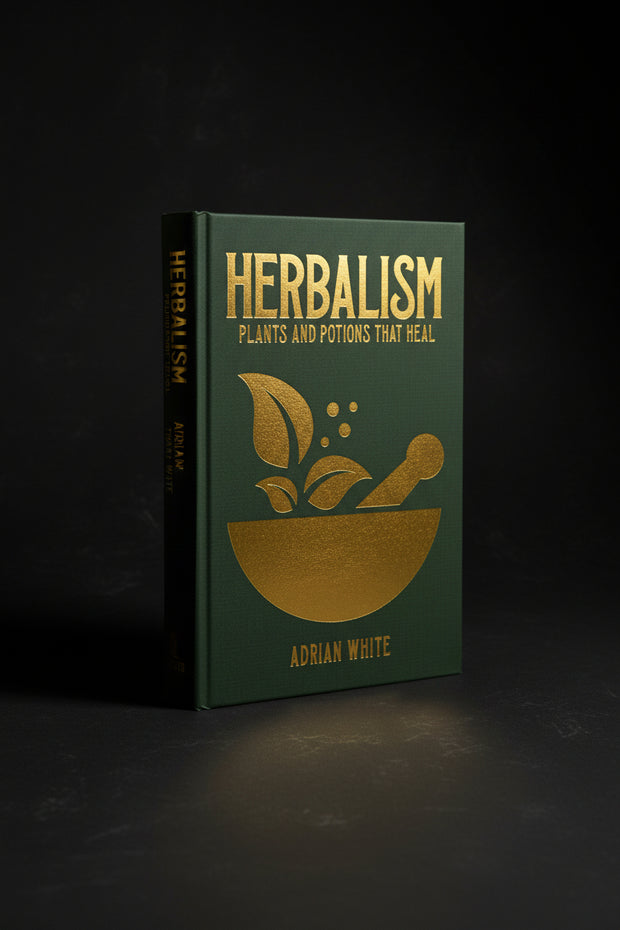
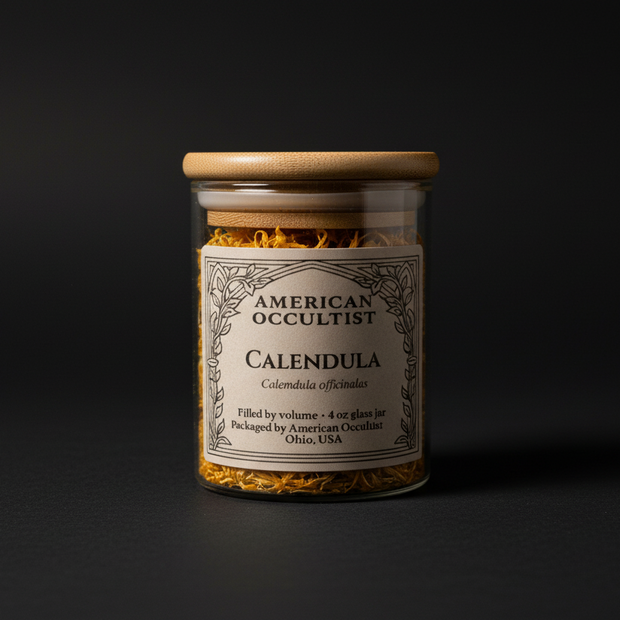
Explore the products selected for this guide. Review each listing for what is included and how to use it.
Shop this guide · 4 items Collapse


Keep exploring the shop
You made it to the end of the guide. Keep exploring through related products, major departments, or the full catalog.


Leave a comment