


Moon Water: How to Make and Use It Safely

Moon water is a modern ritual practice in which water is placed near a window or outdoors during a chosen lunar phase and assigned a symbolic intention. Many practitioners use it as a devotional or reflective object. Moonlight does not sterilize, purify, preserve, or chemically charge water, so ordinary water-safety rules still apply.
How to Make Moon Water Safely
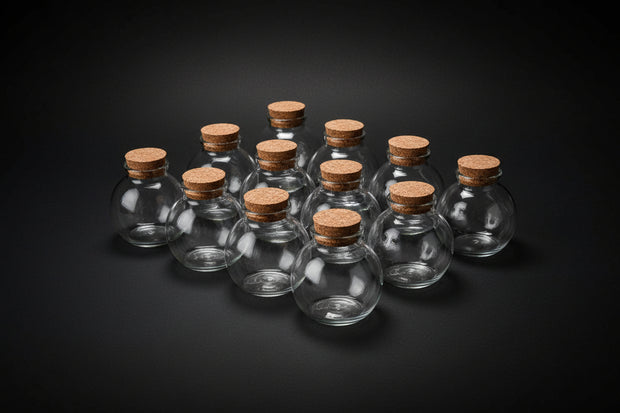
- Wash and fully rinse a clean glass jar with a tight-fitting lid.
- Fill it with plain potable water. Do not add herbs, oils, glitter, salt, metal, or crystals.
- Close the lid before placing the jar on an indoor windowsill or in a protected outdoor location.
- Keep it away from traffic spray, pesticides, animals, insects, soil, roof runoff, and extreme temperatures.
- Label the jar with the date and intended symbolic use.
- Use it promptly for a non-ingestive ritual purpose, then pour it down the sink.
A bowl of fresh tap water used only during a ritual is an equally valid and lower-maintenance alternative.
Can You Drink Moon Water?
Do not drink outdoor moon water. Water left outside can collect microorganisms, animal waste, insects, chemicals, pollen, or debris even when it appears clear. A lid reduces some exposure but does not guarantee safe handling or storage.
Never drink moon water containing crystals, herbs, essential oils, fragrance oils, salt, wax, glitter, metals, or unknown additives. “Water-safe” on a spiritual correspondence chart is not the same as food-safe.
Should Crystals Go in Moon Water?
The safest rule is to keep every crystal outside the water. Place a stone beside the closed jar instead. This avoids mineral leaching, damage to porous or layered stones, contamination from polishing compounds, and accidental ingestion of fragments.
Unknown, dyed, treated, metallic, soft, fibrous, or water-soluble specimens should never be submerged.
Skin, Bath, Eye, and Pet Safety
Do not apply outdoor water or additive-filled water to the face, eyes, broken skin, mucous membranes, or intimate areas. Do not pour it into a bath. Herbs and oils can irritate skin, worsen allergies, interact with medications, or create slipping hazards.
Keep jars and additives away from children and animals. Essential oils, salt, certain herbs, and mineral residues can be harmful to pets. Never add ritual water to a pet bowl.
Safer Ways to Use Moon Water
- Keep the closed jar on an altar during a ritual.
- Place it beside a journal while setting intentions.
- Use it as a visual symbol during meditation.
- Pour plain water down the sink while reflecting on release or transition.
- Use fresh potable water to wipe a washable, non-electrical tool, then dry it immediately if the material tolerates water.
How Long Does Moon Water Last?
Moon water is not self-preserving. Decorative jars can develop biofilm or mold. Make a small amount, use it the same day, discard it, and wash the container. If it changes color, develops odor, becomes cloudy, or shows residue, discard it without using it.
Frequently Asked Questions
Can you drink moon water?
Do not drink water left outdoors or water containing crystals, herbs, oils, salt, or other ritual additives.
Can crystals be placed in moon water?
The safest approach is to place every crystal beside the closed jar rather than in the water.
How long should moon water be stored?
Use it the same day for a non-ingestive purpose, then discard it and wash the jar.
Related Reading
Tools for this practice
Explore the products selected for this guide. Review each listing for what is included and how to use it.

Shop this guide · 3 items Collapse


Keep exploring the shop
You made it to the end of the guide. Keep exploring through related products, major departments, or the full catalog.
 RELATED TO THIS GUIDE
Ritual Supplies & Altar Tools
Shop this topic
RELATED TO THIS GUIDE
Ritual Supplies & Altar Tools
Shop this topic


Leave a comment