


How to Build a Materia Magica: A Practical Herbal Witchcraft Journal

A useful herbal practice is built on more than memorized correspondence lists. It develops through careful identification, responsible handling, source notes, and a record of what you actually observe. A well-made herbal witchcraft journal—often called a materia magica by modern practitioners—brings those pieces together in one working reference.
This guide explains how to build a materia magica that separates botanical information from traditional spiritual associations, gives safety the attention it deserves, and remains useful as your practice grows. It is not a medical guide, and it should never replace qualified medical, veterinary, or toxicology advice.
What Is a Materia Magica?
Many modern practitioners use the term materia magica for a personal record of herbs, resins, woods, flowers, roots, oils, minerals, and other materials used in ritual practice. Unlike a copied list of correspondences, a working materia magica records where information came from, how a material was prepared, what precautions apply, and how it functioned within a specific ritual context.
A strong entry usually contains two clearly separated kinds of information:
- Verifiable information: botanical name, plant part, physical characteristics, source, storage needs, known hazards, and the date the material was obtained.
- Traditional or metaphysical information: spiritual associations, planetary or elemental correspondences, folklore, customary ritual roles, and your own practitioner observations.
Keeping those categories distinct makes the journal more reliable. It also prevents a traditional belief from being mistaken for a scientific property.
Why Build Your Own Herbal Witchcraft Journal?
Published references are useful starting points, but correspondence systems often disagree. One author may associate an herb with protection, while another emphasizes love, prosperity, mourning, purification, or spirit work. Regional customs, religious traditions, family practices, and modern occult systems can all produce different interpretations.
Your journal gives you a place to compare those sources rather than flattening them into a single supposedly universal meaning. It also lets you note practical matters that generic lists rarely cover: how finely a material is cut, whether its aroma changes when warmed, whether it creates irritating smoke, how it stores over time, and whether a particular preparation feels appropriate for your style of work.
Readers who are still learning common correspondences may find it helpful to begin with our Herbal Magic 101 guide, then use the method below to build a more detailed personal reference.
Choose a Format You Will Actually Maintain
A materia magica can be handwritten, digital, or a combination of both. The best format is the one that makes it easy to add information, correct errors, and locate an entry during planning.
Bound journal
A bound journal creates a cohesive record and is satisfying to work with at an altar or study table. Leave several pages at the front for an index, number every page, and reserve extra space after each entry for later observations. The store’s current journal collection offers practical options for building a dedicated reference book.
Binder or card system
A binder allows pages to be rearranged as the collection grows. Index cards work well for practitioners who want one portable entry per plant. Both formats make it easier to organize materials alphabetically or by ritual purpose.
Digital database
A spreadsheet or note database is highly searchable and can include photographs, source links, dates, and cross-references. Digital systems are especially useful when you want to filter entries by safety restriction, planetary association, plant family, or ritual method.
The Core Materia Magica Entry
Consistency makes the journal useful. Create a repeatable template and complete the same core fields for every material.
1. Identity and source
- Common name
- Botanical name when verified
- Plant part: leaf, flower, bark, root, seed, resin, or wood
- Supplier or place gathered
- Date obtained
- Lot, package, or harvest information when available
Common names can refer to more than one species, so the botanical name matters. Never identify an unknown plant solely from a magical correspondence chart or a photograph.
2. Physical observations
Record color, texture, fragrance, cut size, and condition. Add a photograph or small drawing rather than attaching loose plant material to a page, since dried botanicals can shed, attract pests, stain paper, or introduce moisture.
3. Safety and handling
Give safety its own clearly marked section. Note whether the material is intended only for ritual use, whether smoke may irritate the lungs, whether skin contact should be avoided, and whether there are concerns involving children, pets, pregnancy, medications, allergies, or accidental ingestion.
Do not assume that a product sold as a ritual herb is culinary or food grade. Do not prepare teas, tinctures, baths, oils, or topical products unless you have reliable safety information for the exact species, plant part, preparation, and intended user.
4. Historical and cultural notes
Record the tradition, region, author, or primary source behind a claimed use. Replace vague statements such as “ancient people used this” with specific, supportable notes. When a practice belongs to a living culture or initiatory tradition, describe it respectfully and do not treat restricted practices as interchangeable decoration.
5. Traditional correspondences
List spiritual associations only after labeling them as traditional, folkloric, modern occult, or personal. Possible fields include:
- Ritual purposes traditionally associated with the material
- Elemental or planetary correspondence
- Deity or spirit associations, with the source noted
- Seasonal or lunar timing
- Compatible altar tools, candles, oils, or symbols
Contradictory correspondences do not need to be “fixed.” Record both, identify the sources, and decide which framework belongs in the ritual you are planning.
6. Methods of ritual use
Document safe, non-ingestive methods first. Depending on the material and tradition, that might include placing a sealed jar on an altar, filling a charm bag, arranging botanicals around a candle holder without contact with flame, adding the material to a symbolic offering vessel, or using it as a visual focus.
Burning is not automatically the correct method. Some botanicals produce unpleasant or unsafe smoke, and even commonly burned materials can aggravate asthma, affect pets, or create fire hazards. Research the exact material, ventilate appropriately, use a fire-safe burner, and never leave flame or charcoal unattended.
7. Personal observations
After a ritual, record the date, purpose, method, surrounding circumstances, and your observations. Avoid rewriting every outcome as proof that a material has an objective supernatural power. A practitioner’s record is most useful when it is honest about uncertainty, coincidence, emotional response, and what changed—or did not change.
How to Choose Your First Entries
Begin with five to ten materials you already own or genuinely plan to use. Starting with a small group encourages depth instead of collecting dozens of unlabeled jars that are never studied.
A balanced opening set might include:
- One aromatic leaf or evergreen material
- One flower
- One root or bark
- One seed or fruit
- One material commonly associated with cleansing or boundaries
The American Occultist’s Ritual Herbs collection provides a current catalog of dried botanicals and prepared ritual materials. Product pages can help identify the labeled species and intended ritual context, but your journal should still contain independent safety research and source notes.
Research Without Copying Bad Information
Herbal content is frequently repeated from one website to another without a clear origin. Build each entry from more than one kind of source:
- Botanical references for identification, plant parts, and physical facts.
- Reliable safety references for toxicity, interactions, pets, smoke, and handling.
- Historical or folkloric sources for culturally specific uses.
- Modern practitioner texts for contemporary correspondence systems.
- Your own dated observations for personal practice.
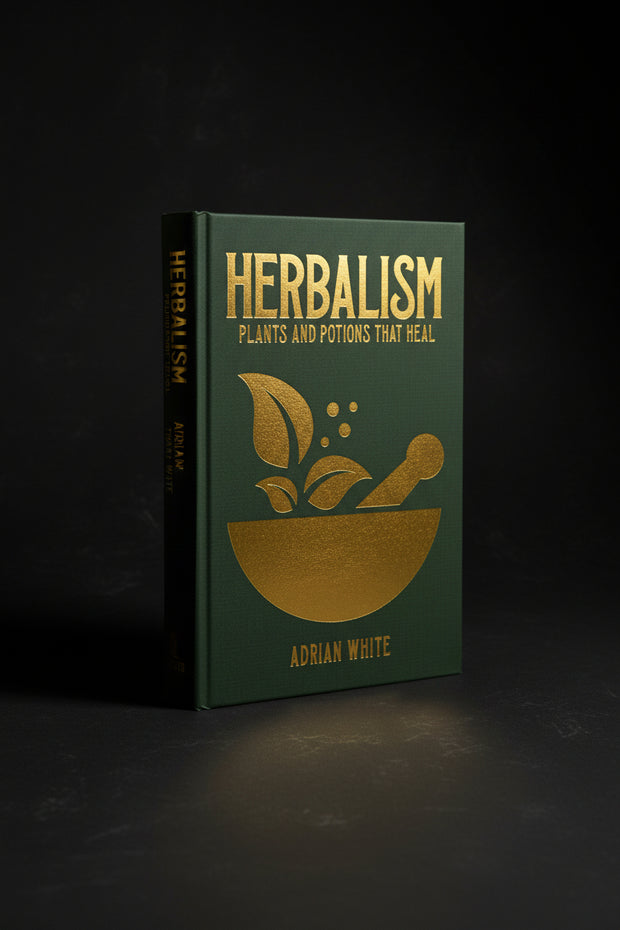
Record page numbers, authors, publication dates, and links. A recently added store reference, Herbalism: Plants and Potions That Heal, can serve as one starting point for broader study, but no single book should be treated as the final authority on every plant, tradition, or safety question.
Useful Tools for an Organized Practice
A materia magica does not require an elaborate apothecary. A few well-chosen tools are enough:
- Clearly labeled, dry containers kept away from heat and direct sunlight
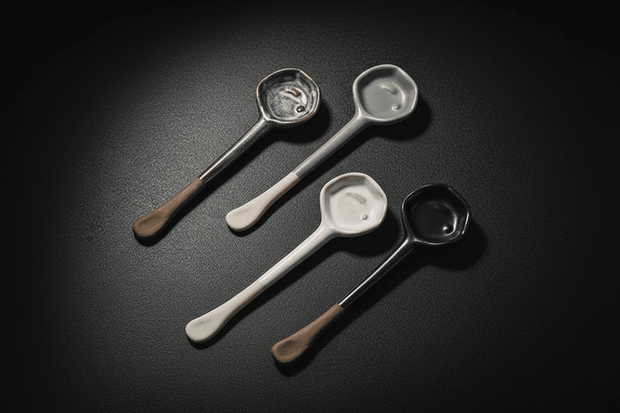
- A dedicated measuring tool, such as a ritual spoon, that is not returned to food use
- A tray or cloth to contain loose material
- A journal, binder, or digital record
- A mortar and pestle used only when grinding is appropriate for the material
When a material needs to be broken down for a non-ingestive ritual preparation, a dedicated stone pestle and mortar can help keep ritual tools separate from kitchen equipment. Clean tools according to the material involved, and avoid creating airborne dust.
Organize the Journal for Real Use
Alphabetical organization is easy to maintain, but a cross-index makes the journal much more practical. At the back, create lists for themes such as protection, prosperity, remembrance, love, divination, cleansing, solar work, lunar work, and seasonal practice. Each item in the index should point back to the full plant entry rather than repeating correspondence lists.
You can also mark entries with a simple safety code:
- Green: suitable for the specific non-ingestive method you have researched
- Yellow: restrictions or additional precautions apply
- Red: do not burn, ingest, apply to skin, or use around particular people or animals
The colors are organizational tools, not universal safety ratings. The written notes and reliable references remain essential.
A Living Reference, Not a Finished Spellbook
Your materia magica should change as your knowledge improves. Correct botanical names, update safety notes, add stronger sources, and revise personal interpretations. Dating every addition preserves the development of your practice without forcing old assumptions to remain permanent.
Build slowly, label carefully, and learn each material before adding another. Explore the current Ritual Herbs, Journals, and Altar Tools available from The American Occultist, or visit the Coshocton store to compare tools and reference materials in person.
Tools for this practice
Explore the products selected for this guide. Review each listing for what is included and how to use it.
Shop this guide · 2 items Collapse


Keep exploring the shop
You made it to the end of the guide. Keep exploring through related products, major departments, or the full catalog.


Leave a comment