


How to Choose and Use a Cauldron in Witchcraft: Size, Materials, and Fire Safety

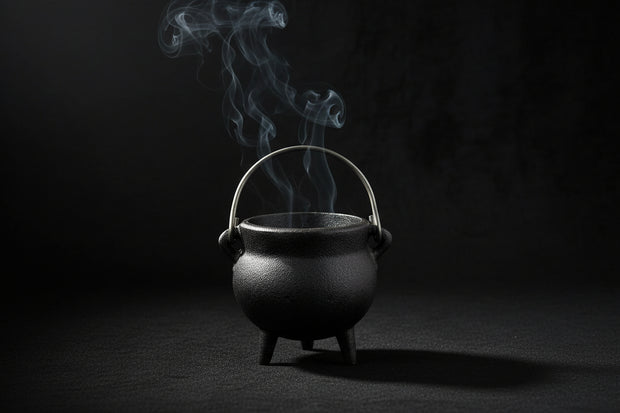
A cauldron can be a working vessel, an offering bowl, an incense burner, an altar centerpiece, or a symbol of transformation. Its usefulness depends less on how dramatic it looks and more on whether its size, material, and construction match the work you intend to do.
A small cauldron may be ideal for holding herbs, petitions, or a single charcoal disc. A larger cast-iron vessel offers more stability and working space, but it also becomes heavier, hotter, and more demanding to handle safely. Decorative cauldrons can be beautiful altar pieces without being appropriate for flame.
This guide explains how to choose a cauldron for witchcraft, what you can place inside it, how different sizes serve different purposes, and the precautions required whenever heat, smoke, or burning material is involved.
What Is a Cauldron Used for in Witchcraft?
In modern witchcraft, the cauldron is both a practical container and a symbolic ritual tool. It may represent transformation, containment, creation, release, the womb, the element of water, or the combining of separate materials into a single working. The meaning varies by tradition and practitioner.
Common uses include:
- Burning loose incense or resin over appropriate charcoal
- Holding petitions, written intentions, charms, or spell components
- Receiving nonperishable offerings
- Serving as a symbolic vessel for cleansing, release, or transformation
- Holding water for reflection or ritual symbolism
- Containing sand, salt, stones, herbs, or seasonal altar materials
- Acting as a stable base for a small candle when properly prepared
- Displaying ritual tools when no burning is involved
The first decision is therefore not which design you prefer. It is whether the cauldron will be used with heat, without heat, or for both.
Heat-Safe and Decorative Cauldrons Are Not the Same
Never assume that a vessel is fireproof because it is shaped like a cauldron. Resin, thin decorative metal, wicker, painted ceramics, plated finishes, and vessels with glued embellishments may be intended only for display or storage.
Use charcoal, flame, or hot ash only in a product that is explicitly described by the maker or seller as suitable for that purpose. Even cast iron should be inspected for cracks, unstable legs, loose handles, coatings, or decorative components before use.
When a cauldron is not confirmed heat-safe, reserve it for petitions, stones, herbs, offerings, charms, water, or altar display. The symbolic function remains valid without fire.
Choosing the Right Cauldron Size
Mini Cauldrons: About 3 to 4 Inches
A compact cauldron is easy to place on a crowded altar and works well for small, contained practices. It can hold a folded petition, a few stones, dried herbs, salt, keys, coins, or a small offering.
A mini vessel such as the 3.5-inch Cast Iron Cauldron is also useful for practitioners with limited space or for building a portable altar kit.
Small does not mean low-risk. A miniature cast-iron cauldron heats rapidly, offers less distance between hot material and the rim, and can be easier to tip. It may be too cramped for a large charcoal disc or loose combustible material. Use only what fits safely without crowding or spilling.
Medium Cauldrons: About 5 to 6 Inches
A medium cauldron offers a practical balance between altar-friendly size and usable interior space. It can accommodate a bed of sand beneath an appropriate incense charcoal, hold larger offerings, or serve as the center of a release or transformation ritual.
Examples include the Plain Cast Iron Cauldron 6 Inch, the Triple Moon Cast Iron Cauldron 6 Inch, and the Tree of Life Cast Iron Cauldron 6 Inch.
This is often the most versatile size for a permanent home altar. It provides more stability than a miniature vessel without taking over the entire working surface.
Large Cauldrons: About 7 Inches and Up
A larger cauldron provides more room for group rituals, layered altar arrangements, seasonal displays, or substantial nonflammable offerings. Its weight can make it stable, but it also makes it harder to move after it has heated.
The Plain Cast Iron Cauldron 7 Inch offers an unadorned working vessel, while the Tree of Life Cast Iron Cauldron 7 Inch adds symbolic decoration.
Before choosing a larger size, measure the altar or heat-safe surface where it will live. Leave clear space around the vessel and make sure the table can support the weight of the cauldron, sand, contents, and any heat-resistant base beneath it.
Choosing a Cauldron by Intended Use
For a practical comparison of sizes and intended uses, browse cauldrons and offering vessels. Check whether each item is explicitly intended for burning incense, holding cool offerings or decoration before using heat.
For Loose Incense and Resin
Choose a confirmed heat-safe cast-iron vessel with enough depth to hold a layer of clean sand beneath the charcoal. The sand helps stabilize the disc and creates distance between the hottest material and the bottom of the cauldron, but it does not make an unsafe vessel fireproof.
For a comparison of suitable base materials and the cases where a purpose-built screen needs no filler, read Sand, Salt, Ash, or Pebbles: What Goes Under Incense Charcoal?
An oval vessel such as the Cast Iron Incense Burner and Offering Bowl may suit practitioners who want a lower, open shape for monitored incense use.
Charcoal remains extremely hot after it appears to have stopped burning. Allow the entire setup to cool completely before moving the cauldron or discarding the ash.
For Hanging Incense Work
Hanging cauldrons create a traditional visual effect and can allow smoke to rise from a dedicated burner. They require additional care because movement can spill ash or bring hot metal into contact with surrounding objects.
The Small Hanging Black Cauldron Burner and Large Hanging Black Cauldron Burner should be suspended only from a secure, nonflammable support designed to bear their full weight. Keep the burner still while lit, maintain clearance from fabric and shelves, and do not carry or swing it while the contents are hot.
For Offerings
A cauldron can receive dried herbs, flowers, coins, stones, written prayers, keys, or other tradition-appropriate offerings. Consider how the material will be removed and whether it could stain, corrode, or attract pests.
Use a removable liner or small dish inside the cauldron when offering oils, honey, wine, milk, food, or other substances that may be difficult to clean. Remove perishable offerings promptly and dispose of them in a manner consistent with your practice and local conditions.
For Water and Reflective Work
A dark vessel filled with water can be used as a reflective focus for meditation, scrying, lunar observation, or symbolic cleansing. Confirm that the cauldron's interior is suitable for water and dry it thoroughly afterward to reduce the risk of rust.
Do not pour cold water into hot cast iron. Rapid temperature change can create dangerous steam, splashing, or damage to the vessel.
For Petitions, Charms, and Spell Components
No heat is required for many cauldron workings. Place a written intention beneath stones, layer herbs around a charm, collect symbolic objects over several days, or use the vessel as a contained place for an ongoing working.
This method is suitable for decorative cauldrons as long as the contents do not react with the material. It is also a strong option for homes where smoke, flame, children, pets, rental rules, or respiratory sensitivities make burning inappropriate.
For Candle Work
A cauldron can act as a secondary containment vessel for a small candle, but the candle still needs its own stable holder. Surrounding it with sand may improve stability and catch wax, yet the cauldron itself will become hot.
Do not place a candle directly against the side of the cauldron, crowd it with loose herbs, or assume the vessel makes unattended burning safe. Keep the wick and flame well below combustible shelves, decorations, curtains, and hanging tools.
How to Burn Incense in a Cauldron Safely
- Confirm the vessel is heat-safe. Do not use a decorative cauldron for burning.
- Choose the location. Place it on a stable, nonflammable surface with clear space on every side.
- Add clean sand. Create a level bed deep enough to stabilize the charcoal and insulate the base.
- Provide ventilation. Burning charcoal, incense, resin, and herbs creates smoke and combustion gases. Never use them in a sealed or poorly ventilated room.
- Light the charcoal according to its directions. Use appropriate tongs and keep your face and loose clothing away from sparks.
- Wait for the charcoal to establish. Place only a small amount of resin or loose incense on the disc.
- Monitor continuously. Never leave the room while charcoal or incense is burning.
- Allow complete cooling. Treat the charcoal, ash, sand, and cauldron as hot long after visible smoke stops.
For more detail on incense forms and smoke work, read How to Use Incense in Witchcraft: Sticks, Resins, and Smoke Cleansing.
Burning Petitions and Herbs
Some traditions burn small written petitions or dried plant material as an act of release, transformation, or offering. This should only be done where open flame is permitted, in a confirmed fire-safe vessel, with adequate ventilation and suitable extinguishing equipment nearby.
Paper can flare quickly, and plant material can produce irritating or harmful smoke. Never burn an unknown plant, a glossy or coated paper, synthetic ribbon, plastic, photographs, chemically treated material, or anything containing ink or adhesive not intended for burning.
A safer symbolic alternative is to tear the petition, dissolve appropriate untreated paper in water, bury a biodegradable item where lawful, or place the unburned petition beneath stones in the cauldron.
Cauldron Fire-Safety Rules
- Use heat only in a vessel explicitly identified as suitable for burning.
- Inspect the cauldron for cracks, unstable feet, loose handles, and damaged coatings.
- Place it on a heat-resistant surface, not directly on wood, cloth, glass, plastic, or a painted altar.
- Keep curtains, books, dried herbs, altar cloths, sleeves, hair, and decorations away from flame and hot metal.
- Never leave flame, charcoal, incense, or smoldering material unattended.
- Keep children and pets out of the working area.
- Use metal tongs for hot charcoal and do not touch the cauldron until fully cool.
- Do not pour water onto hot oil, wax, charcoal, or cast iron.
- Keep an appropriate fire extinguisher nearby and know how to use it.
- Follow local fire rules, lease restrictions, and burn bans.
- When uncertain, use the cauldron without heat.
How to Care for a Cast-Iron Cauldron
Cast iron is durable but can rust when left damp. After water work or cleaning, dry the cauldron promptly and completely. Follow the maker's care instructions before applying any protective oil or seasoning, particularly when the vessel has a decorative finish.
Remove ash only after it is completely cold. A dry brush or cloth is often sufficient for routine cleaning. Avoid harsh chemicals that could react with the surface or create residue that later heats and releases fumes.
Consider keeping separate vessels for separate functions. A cauldron used for burning incense should not later be used for food preparation. A vessel used for oils, wax, unknown herbs, or ritual residue should remain a dedicated ritual tool.
Does the Symbol on a Cauldron Matter?
Symbols can reinforce the theme of a working, but they do not determine whether the cauldron is functional or appropriate.
A plain cauldron is adaptable and places the emphasis on the contents. A Triple Moon design may suit lunar, goddess, or cycle-based work. A Tree of Life design may complement ancestral, nature-centered, growth, or interconnectedness themes.
Choose a symbol because it has meaning within your practice, not because decoration is required. Construction, stability, and safety should come first.
Frequently Asked Questions
What size cauldron is best for beginners?
A 5- to 6-inch cast-iron cauldron is often the most versatile. It fits many home altars while offering enough interior space for sand, offerings, petitions, or carefully monitored incense work.
Can every cast-iron cauldron hold charcoal?
No. Confirm the intended use with the product description or maker. Coatings, decorative attachments, cracks, and construction quality can affect whether a vessel is suitable for heat.
Do I need to burn anything in my cauldron?
No. A cauldron can hold water, stones, petitions, charms, offerings, herbs, or altar materials. Fire is optional.
Can I cook in a ritual cauldron?
Only use a vessel for food when it is specifically manufactured and maintained as food-safe cookware. Do not cook in a cauldron that has held incense, charcoal, ritual oils, wax, unknown herbs, or nonfood offerings.
Why put sand in a cauldron?
Sand can stabilize charcoal or a candle holder, catch ash and wax, and create distance between hot material and the vessel's base. It does not make a decorative or damaged cauldron safe for fire.
Can I place crystals in a cauldron?
Yes for nonheated arrangements, provided the stones are not exposed to oils, water, salt, heat, or smoke that could damage them. Never heat crystals in a cauldron; some can crack, release inclusions, or be permanently altered.
Choose the Vessel for the Work
The best cauldron is not necessarily the largest or most ornate. It is the vessel whose material, size, and construction support the exact work you intend to perform safely.
Explore the Cauldrons collection to compare compact altar vessels, medium and large cast-iron cauldrons, symbolic designs, offering bowls, and hanging incense burners.
Tools for this practice
Explore the products selected for this guide. Review each listing for what is included and how to use it.


Shop this guide · 3 items Collapse


Keep exploring the shop
You made it to the end of the guide. Keep exploring through related products, major departments, or the full catalog.
 RELATED TO THIS GUIDE
Candles & Incense
Shop this topic
RELATED TO THIS GUIDE
Candles & Incense
Shop this topic


Leave a comment