


Incense Smoke and Pets: Safety for Cats, Dogs, Birds, and Sensitive Homes

Incense creates smoke, fine particles, fragrance compounds, and combustion byproducts. A scent that feels mild to a person can be concentrated near a small animal, inside a cage, or in a poorly ventilated room. Pets with asthma, heart disease, respiratory illness, advanced age, or very young age may be more vulnerable.
This guide is general safety information, not veterinary diagnosis. When an animal has trouble breathing, collapses, develops blue or pale gums, or shows severe distress, move it to fresh air if safe and contact an emergency veterinarian immediately.
Why incense changes indoor air
Burning sticks, cones, resins, herbs, and charcoal releases particulate matter into the room. The U.S. Environmental Protection Agency explains that indoor particle sources and inadequate ventilation can increase exposure; very small particles can be inhaled deeply into the respiratory tract. See the EPA’s overview of indoor particulate matter.
“Natural,” handmade, resin, plant-based, or chemical-free marketing does not make smoke harmless. Combustion itself produces particles and gases. Essential oils and fragrance ingredients may create additional concerns for particular species.
Birds require the greatest caution
Bird respiratory systems are highly efficient and particularly sensitive to airborne contaminants. Veterinary references warn that smoke, fumes, aerosols, and fragrances can be hazardous to birds. The safest policy is not to burn incense, candles, resins, charcoal, smoke-cleansing bundles, or scented oils in the bird’s airspace.
Moving a cage across the room is not enough. Air circulates, smoke spreads, and residue settles on feathers, food, water, and cage surfaces. Use a separate building or avoid combustion entirely.
Cats and dogs
Cats and dogs may cough, sneeze, develop watery eyes, avoid the room, breathe faster, wheeze, drool, or appear lethargic when exposed to irritants. Brachycephalic breeds, animals with airway disease, and pets with prior smoke sensitivity need extra care.
Cats also have species-specific metabolic differences that make some essential oils and concentrated fragrance products unsafe. Incense is not the same as applying an oil, but combining smoke, diffusers, sprays, and scented cleaners increases the number of airborne exposures. Discuss recurring symptoms with a veterinarian rather than assuming the pet is “clearing energy.”
Small mammals, reptiles, and aquariums
Rabbits, rodents, and other small mammals have small bodies and may be confined near the source. Reptiles vary widely in respiratory anatomy and enclosure ventilation. Aquariums can collect airborne residue at the water surface, especially when pumps draw room air.
Because species, enclosure, temperature, and ventilation differ, ask an exotic-animal veterinarian about the specific animal. Do not burn incense beside cages, terrariums, food, bedding, or tanks.
Ventilation helps but does not erase exposure
An open window or exhaust fan can reduce accumulation, but it does not guarantee safety. Cross-ventilation may carry smoke toward the animal before it leaves. Air purifiers may lower particles when correctly sized and maintained, yet they do not make active burning risk-free and may not remove every gas or fragrance compound.
Never use incense to cover litter-box, cage, mold, smoke, or chemical odors. Identify and remove the source of the odor.
A safer decision process
- Identify the species and health risks. Birds and animals with respiratory disease should not share the airspace.
- Choose a different location. The pet should not be in the room during burning or while smoke and odor remain.
- Use the smallest practical amount. More smoke does not make a ritual more effective.
- Provide strong ventilation away from the animal.
- Keep ash, charcoal, resins, sticks, and burners inaccessible. They create burn and ingestion hazards.
- Watch for symptoms. Stop immediately if the animal reacts.
- Prefer smoke-free methods. Especially in apartments, winter weather, or homes with sensitive residents.
Smoke-free ritual alternatives
- Sound from a bell, clapping, music, or spoken prayer at a pet-safe volume.
- Physical cleaning and ventilation.
- A bowl of water used symbolically and kept out of reach.
- Visualization, breath, gesture, or written intention.
- Unscented battery candles.
- Tarot, prayer beads, sigils, or altar cloths that do not release airborne material.
See Smoke-Free and Flame-Free Witchcraft for a full set of alternatives.
Warning signs
- Open-mouth breathing, pronounced abdominal effort, wheezing, or repeated coughing.
- Blue, gray, or very pale gums or tongue.
- Collapse, weakness, disorientation, or inability to perch.
- Persistent eye or nasal discharge.
- Sudden behavior change during or after exposure.
Remove the animal from exposure without chasing or stressing it unnecessarily. Call a veterinarian, emergency clinic, or animal poison-control service and describe the product, duration, species, and symptoms. Bring packaging when possible.
Safe burner handling
Pets can knock over burners, step on hot charcoal, eat resin, chew sticks, or brush tails against flame. Use a stable heatproof surface in an inaccessible area, never leave combustion unattended, and allow charcoal and ash to cool completely before disposal.
Our guide to using incense in witchcraft covers burner selection and fire safety. Browse the incense collection only after deciding whether smoke is appropriate for the household.
Frequently asked questions
Is incense safe if it is natural?
Natural ingredients still produce smoke and particles when burned. “Natural” is not a respiratory-safety guarantee.
Can I burn incense in another room?
That reduces direct exposure only if air does not circulate back to the pet. Birds and medically fragile animals warrant stricter avoidance.
Does an air purifier make incense safe?
No. It may reduce some particles but does not eliminate all exposure or replace source control.
What about incense around a cat with asthma?
Avoid smoke and ask the cat’s veterinarian for household air guidance.
Can I use a diffuser instead?
Diffusers are not automatically pet-safe. Concentrated oils and fragrances create different risks; consult a veterinarian familiar with the species.
Tools for this practice
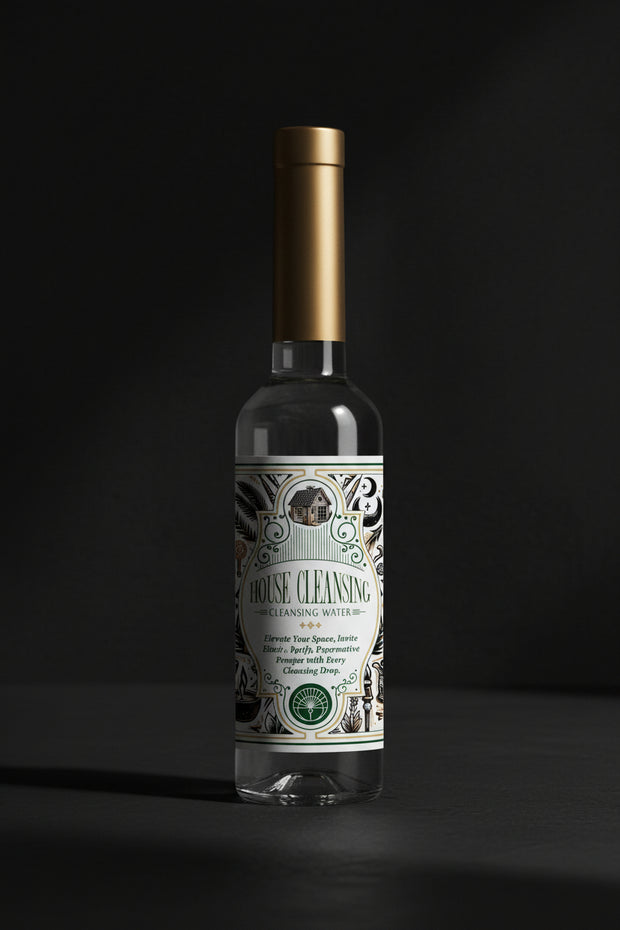
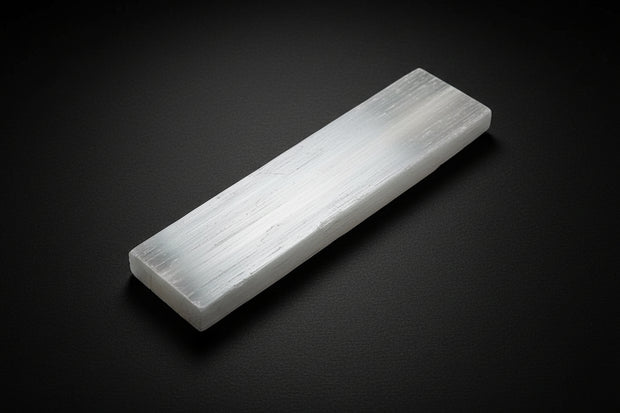
Explore the products selected for this guide. Review each listing for what is included and how to use it.


Shop this guide · 4 items Collapse


Keep exploring the shop
You made it to the end of the guide. Keep exploring through related products, major departments, or the full catalog.
 RELATED TO THIS GUIDE
Ritual Supplies & Altar Tools
Shop this topic
RELATED TO THIS GUIDE
Ritual Supplies & Altar Tools
Shop this topic


Leave a comment