


Smoke-Free and Flame-Free Witchcraft: Cleansing, Offerings, and Ritual Without Fire

Smoke and open flame are common in ritual, but they are not required for cleansing, offerings, protection, meditation, or sacred-space work. Apartments, dorms, workplaces, hospitals, shared homes, asthma, pets, children, fire restrictions, and personal preference can all make incense or candles impractical.
A smoke-free or flame-free practice is not a lesser version of witchcraft. It is an adaptation that places safety, access, and household reality ahead of performance.
Why Practice Without Smoke or Fire?
- Lease, dormitory, workplace, or venue restrictions.
- Asthma, migraines, allergies, respiratory illness, or scent sensitivity.
- Birds, reptiles, cats, dogs, and other animals sensitive to smoke or fragrance.
- Children or adults who cannot safely manage flame.
- Wildfire risk, drought restrictions, or lack of ventilation.
- Trauma or anxiety associated with fire.
- A desire for discreet or portable ritual.
Do not pressure someone to tolerate smoke for spiritual reasons. Consent and health are part of sacred-space ethics.
Smoke-Free Cleansing Methods
For a small ritual space that avoids burning materials, compare bells, hand brooms, cloths, stones and offering dishes. These are symbolic tools; check dimensions and the needs of anyone sharing the space.
Sound
Use a bell, chime, drum, rattle, clapping, singing, or spoken prayer. Move through the room deliberately and give the sound a clear purpose. Sound is especially useful when you cannot leave residue on walls or furnishings.
Physical Cleaning
Sweeping, dusting, washing, decluttering, and opening curtains can become ritual acts. State what you are removing and what you are inviting while performing ordinary cleaning. A clean environment often changes the experience of a space more effectively than adding another layer of fragrance.
Air and Ventilation
Open windows when weather and safety permit. Use a fan or air purifier. Fresh airflow can accompany breathwork, prayer, or visualization. Do not open windows in dangerous weather, poor outdoor air quality, or an unsecured location merely to satisfy a ritual rule.
Water
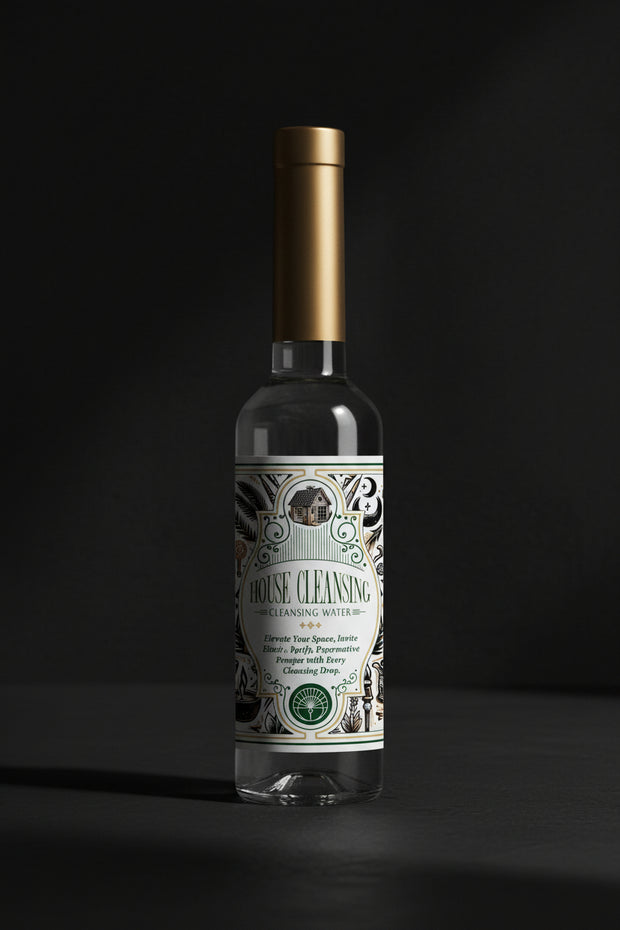
Use plain water, moon-associated water, floral water, or a safely diluted room spray. Mist lightly and test surfaces first. Avoid essential oils around vulnerable people and animals unless you have verified species-specific safety. Never spray electrical equipment, books, delicate textiles, or slippery floors.
Salt and Dry Materials
A small bowl of salt may symbolize purification or boundaries. Keep it out of reach of animals and children, and do not scatter salt outdoors or onto surfaces it can damage. Rice, sand, stones, or clean water can serve as symbolic substitutes when salt is unsuitable.
Tools and Gesture
Use an altar broom, wand, fan, feather obtained legally and ethically, or simply your hand to direct attention through the space. The tool gives your movement structure; it does not need to produce smoke.
Visualization and Breath
Imagine stale tension leaving and the room becoming clear, bright, or still. Pair visualization with slow breathing, but stop if breathwork causes dizziness or panic. Visualization works best when combined with practical boundaries and cleaning rather than used to deny real hazards.
Flame-Free Candle Alternatives
- LED candles or rechargeable tea lights.
- A lamp reserved for ritual use.
- Colored fabric, paper circles, or stones representing candle colors.
- A digital candle used intentionally rather than passively.
- Reflective bowls, mirrors, or sun catchers for light symbolism.
- A warm cup of tea as a safe symbol of hearth and presence.
An electric light can still mark the beginning and end of ritual. Turn it on with a spoken intention and turn it off as a deliberate closing action.
Offerings Without Incense or Candles
Depending on the tradition, offerings may include water, bread, fruit, flowers, music, poetry, prayer, cleaning, charitable action, crafted objects, or time spent studying. Use a covered cup or small plate if food attracts pests. Dispose of offerings responsibly rather than assuming they must be left outdoors.
Smoke-Free Protection
Protection can be built through layers:
- Locks, lighting, cameras, and ordinary home safety.
- Clear interpersonal boundaries.
- Protective symbols, sigils, or written prayers.
- Sound cleansing at doors and windows.
- A bowl of stones, iron objects, or salt where safe and tradition-appropriate.
- Regular cleaning and removal of broken or unwanted items.
- Grounding and visualization.
For a complete layered approach, read Spiritual Protection for Beginners.
How to Convert a Smoke-Based Ritual
- Identify the function. Was the smoke meant to cleanse, carry prayer, honor a deity, mark time, or create atmosphere?
- Choose an equivalent action. Use sound for clearing, water for blessing, spoken prayer for offering, or light for transition.
- Preserve the structure. Keep the opening, central action, and closing even when the material changes.
- Document the adaptation. Record what worked so the revised ritual becomes intentional rather than improvised each time.
For example, replace an incense procession with a bell procession. Replace candle gazing with a steady LED light or reflective bowl. Replace smoke-blessing an object with sound, water-safe wiping, or spoken consecration.
What About Essential Oils and Wax Melts?
“No smoke” does not automatically mean “safe.” Fragrances, diffusers, wax melts, and essential oils can trigger symptoms and may be dangerous around some animals. Use ventilation, research ingredients, follow manufacturer directions, and respect everyone sharing the space.
Discreet Practice in Shared Spaces
- Keep a small ritual box that can be closed and stored.
- Use headphones for ritual music.
- Use a cup of water and a battery candle as a complete temporary altar.
- Write prayers or sigils in a journal rather than displaying them.
- Perform silent gestures or brief grounding exercises.
- Agree on household boundaries before using scents, sound, or shared surfaces.
When Smoke Is Appropriate
If smoke is safe and welcome in your environment, it can remain a valued ritual tool. Our guide How to Use Incense in Witchcraft covers sticks, resins, smoke cleansing, ventilation, and fire safety. The point is not to reject smoke—it is to refuse the idea that every practitioner must use it.
Frequently Asked Questions
Can sound really cleanse a room?
Many traditions use bells, clapping, chanting, and instruments to mark sacred space. Whether you understand the effect spiritually, psychologically, or symbolically, sound can provide a clear and repeatable ritual structure.
Is an LED candle disrespectful?
Not inherently. Some traditions require literal flame for specific rites, while personal and eclectic practices may adapt. Learn the requirements of your tradition and prioritize safety.
Can I cleanse crystals without smoke?
Yes. Depending on the stone, use sound, visualization, moonlight, a dry cloth, or placement near—not in—salt or water. Check material safety first. See our crystal cleansing and charging guide.
What is the simplest smoke-free ritual?
Clean the surface, place a cup of water, ring a bell or clap once, state your intention, sit quietly, and close by pouring the water down the sink and thanking the space.
Safety Is Part of the Practice
Ritual tools should serve the people and place involved. Sound, water, light, movement, cleaning, prayer, and attention can create a complete practice without smoke or flame. Adaptation is not failure; it is skill.
Build a Smoke-Free Ritual Kit
Explore non-burning tools in our Altar Tools collection, Ritual Supplies, or the Altar Broom with Tree of Life Charm. Choose sound, gesture, water, or symbolic light according to the needs of your household.
Tools for this practice
Explore the products selected for this guide. Review each listing for what is included and how to use it.



Shop this guide · 4 items Collapse


Keep exploring the shop
You made it to the end of the guide. Keep exploring through related products, major departments, or the full catalog.
 RELATED TO THIS GUIDE
Ritual Supplies & Altar Tools
Shop this topic
RELATED TO THIS GUIDE
Ritual Supplies & Altar Tools
Shop this topic


Leave a comment