


Iron in European Folk Protection: Nails, Knives, Horseshoes, and Household Boundaries
Iron appears repeatedly in European folklore and household protection, but it does not belong to one single, unchanged system. Nails, pins, horseshoes, knives, shears, keys, and other iron objects have been recorded in different regions and periods as boundaries, counter-charms, amulets, tools, and ritual materials.
The pattern is real, but the meanings are not universal. An iron nail concealed in a bottle, a horseshoe above a door, and a pair of shears near a stable may all be described as protective while operating through different local stories and practices.
A careful approach begins with evidence: what object was used, where it was placed, who recorded it, and what explanation accompanied it.
Why Iron Became Symbolically Powerful
Iron transformed agriculture, tools, weapons, transport, building, and household labor. It was durable, difficult to produce, reshaped through intense heat, and closely associated with blacksmithing. Those practical qualities made it an effective material for symbolic ideas about strength, cutting, containment, and protection.
Folklore sometimes explains iron as repelling witches, fairies, harmful spirits, illness, or bad luck. Those explanations vary by region and source. It is safer to say that iron was used as though it carried protective force in many recorded traditions than to claim that all Europeans shared one doctrine about the metal.
Iron Nails and Pins in Witch Bottles
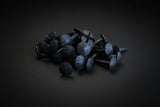
Archaeological and museum discussions of European witch bottles frequently mention bent pins, nails, and other sharp iron materials alongside bodily or organic contents. These vessels are generally interpreted as forms of protective counter-magic or responses to suspected bewitchment.
The sharp objects may have been understood as trapping, turning, injuring, or confusing the harmful influence. Their exact meaning cannot always be recovered, especially when a bottle was removed without archaeological context.
Read Witch Bottles: Archaeology, History, Contents, and Modern Interpretations for a fuller discussion of vessels, placement, and evidence. The Pitt Rivers Museum also describes European witch bottles as objects associated with protection and counteracting bewitchment.
Iron at Doors, Windows, Hearths, and Stables
Protective objects often appear near thresholds and openings. Doors, windows, chimneys, fireplaces, foundations, and stable entrances were physically important and symbolically vulnerable places. Historic England notes that apotropaic marks were commonly placed near entrances, windows, and fireplaces to avert perceived harm.
Iron objects fit easily into this boundary logic:
- a horseshoe attached above or near an entrance;
- a nail supporting a hag stone or other charm;
- iron incorporated into a concealed deposit;
- a knife, hook, or pair of shears placed near a bed, animal stall, or doorway in local accounts;
- keys or hardware becoming symbols of controlled access.
Placement matters as much as material. An iron object found in a wall is not automatically magical. It may be structural, discarded, repaired, stored, or deposited for another reason.
See Threshold Magic and Boundary Wards and Historic England’s guide to apotropaic marks.
Hag Stones, Nails, and Combined Protection
The Pitt Rivers Museum documents a naturally perforated stone reportedly nailed to a cottage door near Salisbury to keep away witches. Its research discussion also notes British folklore in which the iron nail itself was thought to strengthen the stone’s protective role.
This is a useful example because the power was not attributed to one object alone. The stone, iron fastener, doorway, local belief, and act of placement formed a combined protective system.
Read the museum’s Dorset hag-stone record for the object history and its documentation limits.
Knives, Shears, and Cutting Tools
Cutting tools can symbolize separation, defense, severing, and controlled boundaries. British folklore collections include references to shears, hooks, and other metal tools used around livestock, beds, or entrances as counter-charms.
These practices should not be converted into a universal instruction to leave open blades around a home. A symbolic interpretation does not override physical safety. A closed pair of scissors, a safely stored ritual blade, a drawn image, or a written reference can carry the intended symbolism without creating a hazard.
For ritual-blade context, see What Is an Athame?
Horseshoes as Iron Protection and Good Luck
Horseshoes became one of the most recognizable iron charms. Museum collections preserve horseshoe-shaped amulets carried for luck and protection, including pieces associated with soldiers during the First World War.
The Science Museum Group describes a 1917 copper horseshoe amulet with seven rivet-like marks and notes the longer association of iron horseshoes with repelling harmful spirits. Because this particular object was copper and shaped like a horseshoe, it also shows that the symbol could outlive the original material.
Read Horseshoes in Folklore for orientation, doorway placement, and the Saint Dunstan legend.
Iron Keys and Protective Authority
Keys can represent access, closure, permission, and guardianship. In European religious folklore, iron objects shaped like keys, nails, crosses, or cones could become devotional or protective items.
The Pitt Rivers Museum’s record of Saint Hubert keys describes iron pieces distributed through a devotional tradition associated with protection from rabies. Historical treatments involving heated iron were dangerous and should not be imitated. The object is valuable as evidence of belief, not as medical instruction.
Iron, Fairies, and Broad Generalizations
Modern summaries often say that “fairies hate iron” as though all European traditions agree. Folklore is more complicated. Terms translated as fairy, elf, spirit, witch, or hidden people refer to different beings in different places. Iron may appear as protection in some accounts, while other stories emphasize bells, rowan, bread, prayer, fire, salt, or specific local customs.
Use regional language when possible. “Some British and Irish folklore records iron as protective against fairies or witchcraft” is more accurate than “iron repels every spirit.”
Found Iron vs. Purchased Iron
Some modern practitioners place special value on old, hand-forged, found, or previously used iron. That symbolism may come from age, labor, contact, or the object’s history. It is not a universal rule.
Before using found metal:
- confirm that taking it is legal;
- do not remove material from historic sites, railways, farms, roads, or private property;
- inspect for sharp edges, lead paint, oil, biological residue, or severe rust;
- clean it without destroying possible historical value;
- seek professional advice if it may be an archaeological object.
Rust and Safety
Rust does not make iron magically stronger, and a rusty object can cause cuts or contaminate surfaces. Tetanus is caused by bacteria entering wounds, not by rust itself, but puncture wounds and dirty metal require proper first aid and medical guidance.
Keep sharp objects away from children and pets. Do not place loose nails in doorways, under rugs, inside bedding, or anywhere they can injure someone. Do not heat iron for ritual use or apply heated metal to the body.
A Historically Informed Modern Practice
You can work with iron symbolism without claiming to reproduce one ancient tradition.
- Choose the function: boundary, strength, separation, protection, or remembrance of labor.
- Choose a safe object: a clean key, enclosed nail, small iron charm, horseshoe image, or safely mounted tool.
- Choose the boundary: door, altar, storage box, property line, or personal ritual space.
- Name the practical protection: lock, lighting, documentation, communication, or safety plan.
- Record the source: distinguish historical evidence from personal adaptation.
- Review the object: remove it if it rusts, loosens, damages the structure, or becomes hazardous.
Using Iron in a Rental or Historic Building
Do not drive nails into rented walls, historic timber, stonework, or listed structures without permission. Use a freestanding display, removable hanger rated for the surface, protective box, photograph, or symbolic drawing.
If an old object is discovered inside a wall, chimney, floor, or sealed cavity, photograph it in place and contact a local museum, archaeologist, historic-preservation office, or building specialist before cleaning or moving it.
Iron and Spiritual Protection Today
Iron can serve as a ritual reminder of strength and boundary, but it should not become a source of fear. A charm does not replace locks, medical care, legal assistance, animal safety, or communication.
For layered protection, explore our Protection collection, Altar Tools, and Bottles & Jars. Choose objects for a clearly understood purpose and use them safely.
Frequently Asked Questions
Is iron always protective in European folklore?
No. Protective meanings vary by region, period, object, and story. Iron appears frequently, but it was not governed by one universal system.
Do old nails have more power than new nails?
Some practitioners assign symbolic value to age, forging, or prior use. That is a matter of tradition or personal practice, not a measurable universal property.
Can I put nails in a protection jar?
You can use clean, dry materials in a secure container, but avoid bodily fluids, reactive liquids, pressure buildup, exposed sharp points, and unsafe disposal.
Does iron repel every spirit?
No. That claim collapses many cultures and beings into one rule. Use the folklore of the specific tradition you are studying.
Should a protective iron object be hidden?
Some historical deposits were concealed; others were displayed or carried. Choose a method appropriate to your purpose, building, safety needs, and privacy.
Material, Placement, and Context
Iron’s protective reputation grew through many local uses rather than one universal law. Nails in bottles, horseshoes at doors, tools near boundaries, and devotional iron objects each carry their own histories. Study the object in context, adapt without inventing lineage, and let physical safety remain part of the protection.
Tools for this practice
Explore the products selected for this guide. Review each listing for what is included and how to use it.

Leave a comment