


Witch Bottles: Archaeology, History, Contents, and Modern Interpretations

Witch bottles are among the most recognizable objects associated with English counter-magic, yet modern descriptions often turn a varied archaeological category into one fixed recipe. Surviving examples show patterns, but their meaning depends on the vessel, contents, date, placement, building, and circumstances of discovery.
What Is a Witch Bottle?
The term usually refers to a deliberately prepared bottle or jug interpreted as protective counter-magic. Many known examples date to the seventeenth century and later. Stoneware vessels—especially bearded Bartmann or Bellarmine jugs—are frequently discussed, but glass and other containers have also been identified.
Not every old bottle concealed in a wall or buried near a house is a witch bottle. Bottles could be stored, discarded, reused, hidden for practical reasons, or deposited for other customs. Archaeologists evaluate the whole context rather than identifying an object by shape alone.
What Have Historical Witch Bottles Contained?
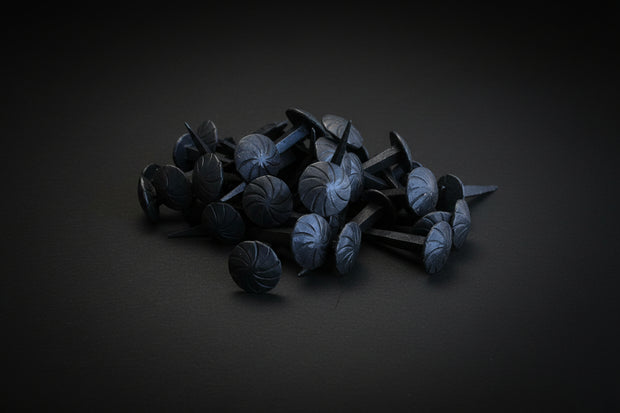
Documented examples vary. Frequently reported materials include bent pins, nails, thorns, hair, nail clippings, fabric, and liquid residues. Historical accounts and some analyzed finds connect certain bottles with urine. The combination of sharp objects and bodily material has often been interpreted as a way to trap, repel, injure, or reverse harmful influence.
Empty-looking bottles may have lost organic contents through leakage, evaporation, decay, cleaning, or poor recovery. Conversely, a bottle containing nails is not automatically magical. Dating, residue analysis, placement, and associated finds matter.
Where Were Witch Bottles Placed?
Examples have been found beneath floors, near thresholds, under hearths, in walls, near chimneys, and buried around buildings. These are vulnerable or symbolically important parts of a household: entrances, fire places, foundations, and routes through which people, smoke, air, or imagined harmful forces might pass.
This pattern connects witch bottles to broader traditions of household protection. Read our guide to threshold magic and boundary wards for a wider look at protective placement.
Protection, Counter-Magic, and Prepared Cures
Some bottles appear to have been intended to protect a person or household from witchcraft. Others may have been prepared in response to an illness, misfortune, suspected bewitchment, or conflict. Historical written descriptions sometimes frame the bottle as a countermeasure that acted upon the suspected witch through sympathetic connection.
That does not mean every bottle had the same purpose. Archaeologists continue to refine classifications as new finds, scientific analyses, and building histories become available.
Why Archaeological Context Matters
A vessel recovered professionally from a sealed floor deposit can often be dated and interpreted more securely than an object removed from a wall decades ago with no record. Context can answer questions about when the feature was built, whether the bottle was upright or inverted, what surrounded it, and whether it was placed during construction or added later.
If you discover a concealed bottle in an old building, do not open, empty, wash, or discard it. Photograph it in place, avoid disturbing surrounding material, and contact a local archaeologist, historic-preservation office, museum, or qualified heritage professional. The contents may be fragile, biologically hazardous, sharp, or important for scientific testing.
Witch Bottles and Modern Spell Jars Are Related—but Not Identical
Modern bottle spells and spell jars draw from many sources: folk magic, popular witchcraft, contemporary correspondence systems, personal symbolism, and historical protective objects. A decorative jar of herbs and crystals is not automatically a continuation of one specific seventeenth-century custom.
Modern adaptation is not a problem when it is labeled honestly. Our complete spell-jar life-cycle guide focuses on contemporary practice, maintenance, opening, and disposal rather than claiming one universal historical formula.
Building a Historically Informed Modern Practice
A practitioner inspired by witch-bottle history can work with the broad themes of containment, household boundaries, reversal, and protection without copying hazardous materials or claiming an unbroken lineage.
- Use a clean, stable container suitable for the contents.
- Avoid bodily fluids, rusting objects in reactive liquids, toxic plants, and anything likely to build pressure.
- Keep sharp materials sealed and inaccessible to children and pets.
- Do not bury glass, metal, wax, salt, or non-biodegradable materials on public land.
- Record which elements are historical inspiration and which are your own modern choices.
When the work is complete, choose a safe disposal method rather than abandoning the container outdoors. See our guide to disposing of ritual remnants in folk magic.
Frequently Asked Questions
Were witch bottles used only in England?
They are especially associated with English and later British-influenced contexts, including finds connected with migration. Related protective deposits exist elsewhere, but they should not all be treated as one identical tradition.
Did every witch bottle contain urine?
No. Contents vary, and many finds have not preserved liquid. Urine is documented in some historical descriptions and analyzed examples, not every bottle.
Are Bellarmine jugs always witch bottles?
No. They were ordinary commercial vessels used for storage and transport. Only a small portion appear to have been deliberately prepared and deposited as counter-magic.
Can I open an antique witch bottle?
No. Opening destroys context and can expose you to sharp, contaminated, or unstable material. Seek professional advice.
Modern Bottle-Spell Supplies
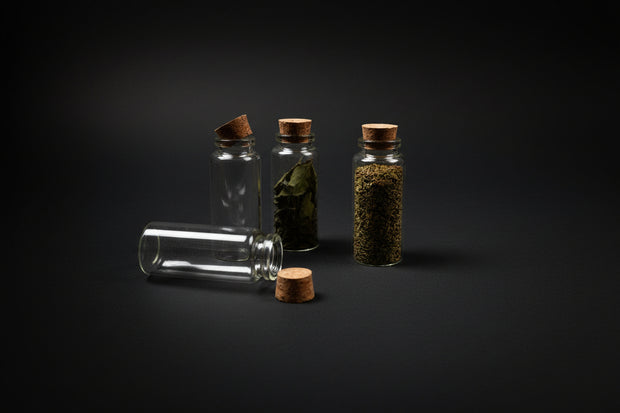
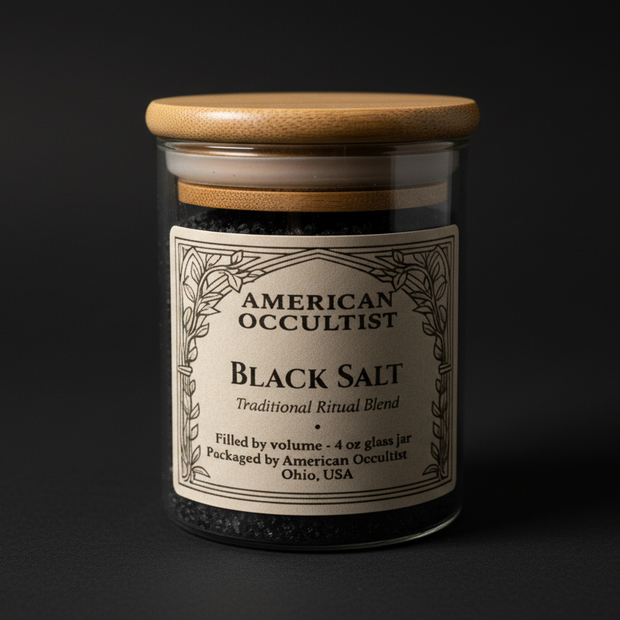
For clearly labeled contemporary practice—not archaeological reconstruction—browse our Ritual Bottles & Apothecary Jars, Ritual Herbs, and Protection collection. Use safe contents and never disturb a historic concealed deposit.
Tools for this practice
Explore the products selected for this guide. Review each listing for what is included and how to use it.
Shop this guide · 4 items Collapse


Keep exploring the shop
You made it to the end of the guide. Keep exploring through related products, major departments, or the full catalog.
 RELATED TO THIS GUIDE
Ritual Supplies & Altar Tools
Shop this topic
RELATED TO THIS GUIDE
Ritual Supplies & Altar Tools
Shop this topic


Leave a comment