


Low-Energy Witchcraft: Simple Practice for Illness, Disability, Burnout, and Busy Days

Spiritual practice is often photographed as a perfectly arranged altar, a long ritual bath, an elaborate spread of tools, or hours of uninterrupted focus. Real life rarely looks that way. Illness, disability, pain, fatigue, caregiving, work, depression, burnout, and limited mobility can make elaborate practice inaccessible.
Low-energy witchcraft is not lazy witchcraft. It is a way of adapting ritual so that it supports your life instead of demanding resources you do not have. A practice can be brief, seated, silent, digital, imperfect, and still meaningful.
Start With Capacity, Not Guilt
Before deciding what ritual to perform, ask what your body and mind can safely do today. Capacity can change from hour to hour. A good practice respects that change.
Use a simple scale:
- No-energy day: Rest is the practice.
- Very low-energy day: One breath, one sentence, one small gesture.
- Moderate-energy day: A five-minute ritual or simple altar action.
- Higher-energy day: Prepare supplies, clean the space, or complete longer work for future low-energy days.
You do not owe your spiritual practice the same output every day.
One-Minute Practices
- Place a hand over your chest and state one intention.
- Drink water slowly as an act of restoration.
- Turn on an LED candle and take three breaths.
- Ring a bell once to mark the beginning or end of the day.
- Draw a small protective symbol on paper.
- Name one thing you are releasing and one thing you are welcoming.
- Hold a familiar stone or object while resting.
- Open a curtain and acknowledge the weather or season.
Bed-Based and Seated Practice
Ritual does not require standing, kneeling, walking a circle, or sitting on the floor. Adapt movements to your body.
- Create a tray or basket with a few safe tools.
- Use a bedside cup of water as a temporary offering.
- Perform visualization with eyes open if closing them is uncomfortable.
- Use a small cloth as a portable ritual surface.
- Point or gesture rather than physically walking boundaries.
- Listen to a prayer, guided meditation, or ritual recording.
- Ask another person to move, light, or carry objects when needed.
A ritual is not more authentic because it hurts.
Flame-Free and Smoke-Free Options
Fatigue, tremors, limited mobility, brain fog, respiratory concerns, pets, and medication effects can make fire or smoke unsafe. Use LED candles, sound, water, cleaning, prayer, digital light, or visualization instead.
Our Smoke-Free and Flame-Free Witchcraft guide offers complete alternatives for cleansing, offerings, and sacred-space work.
Build a Low-Energy Ritual Kit
Keep the kit small enough that opening it does not become another task. Consider:
- One LED tea light.
- A bell or quiet chime.
- A notebook and pen.
- One cloth.
- A familiar stone or charm.
- Prewritten prayers or ritual instructions.
- A sealed container for temporary petitions.
- Headphones and a saved playlist.
A kit should reduce decisions, not create pressure to collect more supplies.
Digital Witchcraft and Accessible Tools
Digital tools can preserve energy and privacy. You might use:
- A phone note as a grimoire.
- Voice dictation when writing is difficult.
- A digital altar or private image collection.
- Calendar reminders for seasonal observances.
- Accessibility features such as text-to-speech, larger fonts, and screen readers.
- A saved ritual checklist.
- Online library resources instead of carrying heavy books.
Technology does not make a practice less spiritual. It is another tool.
Low-Energy Cleansing
Cleansing does not require moving through every room with smoke. Try one manageable action:
- Open a window briefly when conditions are safe.
- Run an air purifier.
- Play a bell recording or clap once from your seat.
- Wipe one surface.
- Change the bedding or ask for help doing so.
- Place unwanted items in a basket to sort later.
- Visualize the room becoming quieter and clearer.
Physical cleaning can be shared, delayed, or divided into tiny stages. You do not need to exhaust yourself to prove the space is cleansed.
Low-Energy Protection
Use protection methods that continue without daily maintenance:
- A written prayer near the door.
- A symbol placed on a window or phone background.
- A secure lock, emergency contact, and practical safety plan.
- A prepared charm carried in a bag.
- A boundary phrase saved in your notes for difficult conversations.
- A weekly rather than daily protection routine.
Practical safety remains part of spiritual protection. See Spiritual Protection for Beginners for a layered approach.
Simple Devotion and Offerings
Devotion can be maintained through attention rather than physical effort. Offer water, play music, read one paragraph of a sacred text, speak a name, or dedicate an ordinary action. If you cannot maintain an altar, store it, simplify it, or use one image.
Do not assume a deity, spirit, or ancestor demands activity that harms your health. Be especially cautious of anyone who tells you illness or disability proves spiritual failure.
Prepare on Better Days
When capacity is higher, make future practice easier:
- Prewrite short prayers.
- Portion safe herbs into labeled containers.
- Charge devices and LED candles.
- Save playlists offline.
- Clean and organize one ritual box.
- Create a list of one-, five-, and fifteen-minute practices.
- Set up automatic reminders only when they feel supportive.
Rest Can Be the Ritual
Rest is not a failure to practice. You can intentionally say, “Today I protect this body by stopping.” Sleep, medication, medical appointments, meals, hydration, and asking for assistance can all be treated as acts of care without pretending they are magical cures.
Spiritual practice should never require you to ignore symptoms, stop prescribed treatment, or push through dangerous exhaustion.
When a Practice Is Taking More Than It Gives
Pause or simplify when ritual creates:
- Worsening pain or fatigue.
- Fear that missing a day will cause punishment.
- Financial pressure to buy easier or “stronger” tools.
- Shame about physical limitations.
- Sleep disruption.
- More chores than meaning.
A Five-Minute Low-Energy Ritual
- Settle into a safe position.
- Turn on an LED candle or look toward a natural light source.
- Take three comfortable breaths.
- State one intention for the next day.
- Name one action small enough to complete.
- Close with: “This is enough for today.”
Frequently Asked Questions
Do I have to raise energy for spellwork?
Not every tradition uses that language. You can use prayer, symbolism, prepared tools, quiet focus, or a short repeated action instead of intense movement or emotion.
Can someone else perform parts of my ritual?
Yes, when you consent and the practice allows it. Assistance with setup, movement, reading, or cleanup does not make the ritual less yours.
What if I cannot visualize?
Use words, sound, touch, written descriptions, memory, or symbolic objects. Visualization is one technique, not a universal requirement.
Is buying accessible ritual equipment necessary?
No. Adapt ordinary objects first. A lamp, cup, phone, cloth, or handwritten note may provide everything needed.
Your Practice Should Fit Your Life
Low-energy witchcraft replaces performance with sustainability. Make the ritual smaller, safer, and easier to repeat. On the days when even that is too much, let rest be enough.
Optional Low-Energy Resources
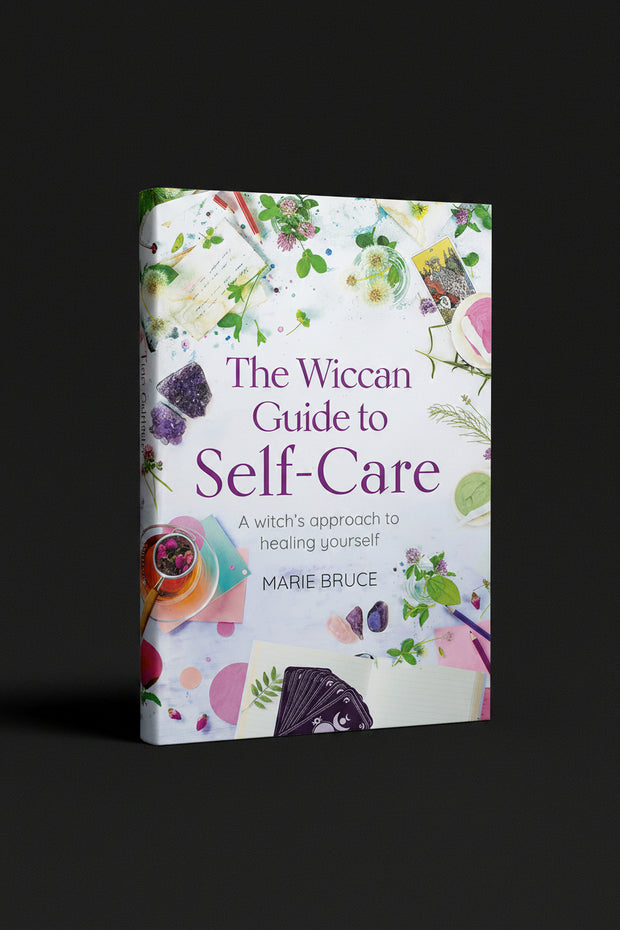
For a compact, low-pressure practice, explore Wiccan Guide to Self-Care and our Altar Tools collection. Start with ordinary objects and buy only when a tool genuinely reduces effort; rest and medical care come first.
Tools for this practice
Explore the products selected for this guide. Review each listing for what is included and how to use it.
Shop this guide · 1 item Collapse

Keep exploring the shop
You made it to the end of the guide. Keep exploring through related products, major departments, or the full catalog.


Leave a comment