


Lughnasadh for Beginners: History, Altar Ideas, Offerings, and a Simple Home Ritual

Lughnasadh is a seasonal festival associated with the beginning of the harvest, the recognition of skilled work, and the difficult truth that every abundance depends on time, labor, weather, and community. For modern Pagans, it can become a meaningful point for gratitude, honest evaluation, and renewed commitment without requiring a farm, elaborate ceremony, or attempt to recreate an ancient rite exactly.
This guide to Lughnasadh for beginners explains the festival’s historical background, the difference between Lughnasadh and Lammas, practical altar ideas, respectful offerings, and a simple home ritual. For the wider seasonal framework, begin with our guide to the Wheel of the Year and its eight Sabbats.
What Is Lughnasadh?
Lughnasadh—also written Lughnasa or Lúnasa—is a Gaelic seasonal festival traditionally observed around August 1. It marks the opening of the harvest season rather than its completion. The fields may be producing, but the work is not over. That tension between promise and uncertainty is one of the festival’s most useful themes.
Lughnasadh belongs to the Gaelic seasonal cycle alongside Samhain, Imbolc, and Beltane. It should not be treated as proof that every historical Celtic-speaking people followed one identical religious calendar. Customs differed by region and changed over time.
The festival’s name is associated with Lugh, an important figure in Irish mythology known for mastery across many skills. Medieval literature and later folklore connect the season with assemblies, fairs, athletic contests, trading, matchmaking, hilltop gatherings, feasting, and the first produce of the harvest. Modern practice often emphasizes grain, bread, fruit, craftsmanship, community, and the results of sustained effort.
Lughnasadh and Lammas Are Related but Not Identical
Modern Pagan books frequently use Lughnasadh and Lammas interchangeably because both are observed around August 1 and both concern the early harvest. Historically, however, they come from different cultural settings.
Lughnasadh is Gaelic in origin and is linked with Irish tradition, seasonal assemblies, and the figure of Lugh. Lammas comes from the Old English idea of “loaf-mass,” a Christian observance in which bread made from the new grain was blessed. Modern practitioners may combine imagery from both, but it is better to understand the distinction than to present them as two spellings for the same ancient holiday.
You may therefore choose a Gaelic-centered Lughnasadh observance, a bread-centered Lammas observance, or an eclectic modern harvest ritual. Name the approach honestly and avoid claiming that a newly assembled ritual is an unchanged survival from antiquity.
Core Themes of Lughnasadh
The First Harvest
Lughnasadh celebrates beginnings, not a finished victory. The first visible results have arrived, but more work remains. This makes the festival useful for reviewing projects that are finally producing evidence of progress.
Skill and Craftsmanship
Because Lugh is associated with many arts and abilities, modern celebrations often honor practiced skill. This can include cooking, metalwork, gardening, music, business, writing, caregiving, study, or any craft developed through discipline.
Reciprocity
A harvest is never entirely individual. Soil, rain, pollinators, laborers, teachers, family, customers, and community all contribute. Lughnasadh offers a chance to recognize those relationships and give something back.
Sacrifice and Necessary Change
Harvest requires cutting what has grown. In a modern personal ritual, this does not call for harm. It can symbolize ending an unproductive habit, spending time to finish important work, or releasing a plan that no longer deserves resources.
Gratitude Without Complacency
Gratitude at Lughnasadh should not become denial. A poor harvest, financial stress, grief, illness, or exhaustion may be part of the season. The festival can acknowledge what is available while remaining honest about what is difficult.
How to Build a Simple Lughnasadh Altar
A seasonal altar should support the ritual rather than become a crowded display. Begin with a clean, stable surface and choose a few items with clear roles.
- A seasonal cloth: Gold, yellow, green, brown, rust, or natural linen can suggest sun, grain, fields, and the approaching autumn.
- A symbol of harvest: Use a small loaf, oats, locally grown produce, dried grain, an apple, or a photograph of your garden or work.
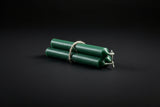
- A candle or safe light: Gold, yellow, orange, green, or brown are common modern choices. Browse the Candles collection for practical altar options, and use a flameless light where open flame is unsuitable.
- A bowl or plate: Keep any food offering contained and separate from incense ash, candle wax, oils, and non-food-safe materials.
- A tool of your craft: Place a pen, recipe card, needle, instrument pick, business ledger, garden tool, or another object representing skill.
- Seasonal herbs: Rosemary, basil, chamomile, mint, bay, or locally appropriate plants may be used symbolically. Verify every plant before handling it and keep unknown or toxic material away from food. Our Ritual Herbs collection can support contained altar and sachet work.
Some practitioners add stones associated in modern crystal practice with sunlight, growth, confidence, or prosperity. A small piece of tumbled citrine can represent solar vitality and visible results, while green aventurine may symbolize growth and opportunity. These are symbolic correspondences, not guarantees of money, health, or success.
Offerings for Lughnasadh
Offerings do not need to be expensive. Their value comes from appropriateness, care, and responsible handling.
- A portion of bread, oats, berries, apples, corn, or seasonal produce
- Fresh water, tea, cider, or another non-hazardous libation
- A song, poem, story, or piece of handmade work
- A donation to a food pantry, community garden, mutual-aid effort, or agricultural organization
- Time spent helping someone harvest, cook, repair, learn, or prepare for the coming season
- A written statement of gratitude for the people and systems that supported your progress
Do not leave bread, fruit, salt, wax, glass, coins, ribbons, or other objects outdoors simply because they are called offerings. Food can attract animals or introduce unsuitable ingredients, and decorative materials can become litter. Keep offerings contained, compost only appropriate plant matter, and dispose of everything according to local conditions. Our guide to food offerings, libations, and respectful disposal provides a fuller safety framework.
A Simple Lughnasadh Ritual at Home
This ritual can be performed alone, with family, or with a small group. Adapt the language to your beliefs. You do not need to invoke Lugh or any deity if your practice is non-theistic.
1. Prepare the Space
Clean the surface, place your chosen seasonal symbols, and remove avoidable hazards. Put candles in stable holders, keep water nearby, and move loose cloth, dried herbs, pets, and long sleeves away from flame.
2. Open With Attention
Light the candle or switch on a safe lamp. Take several slow breaths and say:
I stand at the beginning of harvest. I honor the labor behind what has grown, the help I have received, and the work that still remains.
3. Name the Harvest
Write down three results that have begun to appear since winter or spring. They may involve business, study, relationships, recovery, creativity, home, or personal discipline. Keep the claims concrete: what has actually changed, been completed, earned, learned, repaired, or made?
4. Name the Cost
For each result, identify what supported it. Include your own effort, but also name teachers, workers, family, land, tools, money, time, or community. This prevents gratitude from becoming self-congratulation.
5. Make a Responsible Offering
Place a small portion of food or drink in the designated vessel, or state the service or donation you will complete. Say:
For what has been given, I answer with care. May gratitude become action, and may what I receive support more than myself.
6. Choose the Next Necessary Action
Select one task that will protect or complete the developing harvest. Examples include finishing inventory, preserving food, paying a bill, scheduling medical care, practicing a skill, repairing a tool, asking for help, or ending a commitment that drains resources without purpose.
Write the task with a realistic deadline. Ritual intention becomes stronger when it produces an observable next step.
7. Close the Rite
Thank any deities, ancestors, spirits, or community members you addressed. Extinguish the candle completely. Eat the remaining food as a shared meal if it has been kept sanitary, and handle the offering according to the disposal plan you chose beforehand.
Ways to Celebrate Without a Garden or Farm
Lughnasadh is not limited to people who grow grain. Modern life contains many forms of harvest.
- Bake bread or purchase it from a local bakery and learn about the labor behind it.
- Prepare a meal from seasonal regional produce.
- Visit a farmers market and buy directly from growers when possible.
- Finish or display a piece of creative work.
- Teach a practical skill to someone else.
- Review your business, household, or study goals and document measurable progress.
- Volunteer with a food pantry or community garden.
- Hold a friendly game, walk, craft night, or shared meal that emphasizes community rather than competition.
Respectful Practice and Common Mistakes
Do Not Flatten Every Tradition Into “Celtic”
Irish, Scottish, Manx, Welsh, English, and modern Wiccan customs are not interchangeable. Use specific language when the source is known and describe eclectic practices as modern combinations.
Do Not Invent Historical Certainty
Ancient festivals changed across centuries, and surviving sources do not provide a complete ritual script. A historically inspired modern observance can be meaningful without being labeled an exact reconstruction.
Do Not Use Unsafe Harvest Decorations
Dry grain, straw, paper, cloth, herbs, and wooden objects ignite easily. Keep them away from candles, charcoal, hot cauldrons, and incense burners.
Do Not Turn Gratitude Into Pressure
You are not required to describe a difficult year as abundant. A small harvest may be rest, survival, a boundary maintained, a lesson learned, or the decision to begin again.
Lughnasadh for Beginners: Frequently Asked Questions
When Is Lughnasadh Celebrated?
It is traditionally associated with August 1, though modern practitioners may celebrate on the nearest weekend or when local seasonal conditions make sense.
Do I Have to Worship Lugh?
No. Some practitioners honor Lugh directly, while others focus on harvest, craft, gratitude, community, or seasonal change. Research devotional customs carefully before presenting a personal invention as traditional practice.
Can I Call It Lammas?
Yes, but understand that Lammas and Lughnasadh have different historical roots. Lammas is associated with the English Christian “loaf-mass” tradition, while Lughnasadh is Gaelic. Many modern Pagan observances blend them.
What Should I Put on a Lughnasadh Altar?
Choose a few practical symbols: bread or seasonal produce, a candle or safe light, a contained offering vessel, a tool representing your craft, and a written record of what is beginning to bear fruit.
What Is the Most Important Part of the Festival?
There is no single required modern practice. A grounded celebration recognizes the first results of labor, gives thanks without ignoring hardship, and commits to the next responsible action.
Celebrating the Beginning of Harvest
Lughnasadh asks a disciplined question: what is beginning to bear fruit, and what must happen next? Its symbols of grain, bread, sunlight, skill, and gathering are most meaningful when they direct attention toward real labor and real relationships.
Build a small altar, name what has grown, acknowledge who helped it grow, make a responsible offering, and choose one action that carries the work forward. The harvest is not only what you receive. It is also what you preserve, share, and prepare for the season ahead.
Tools for this practice
Explore the products selected for this guide. Review each listing for what is included and how to use it.
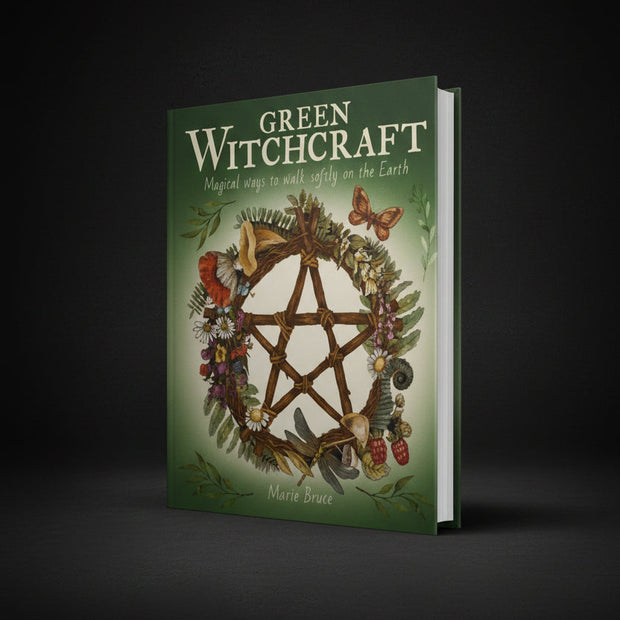
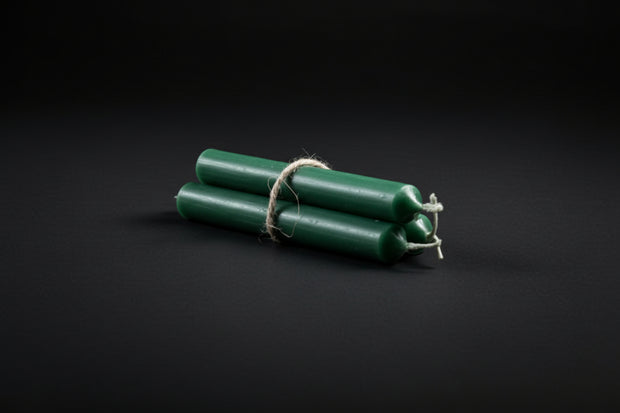
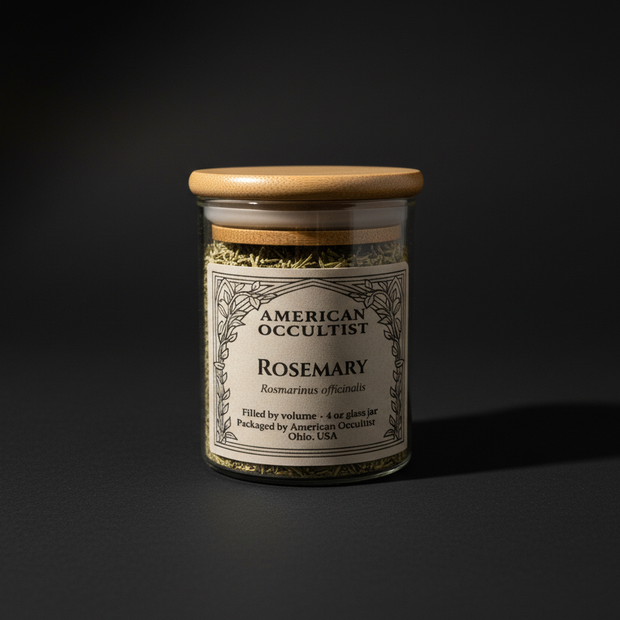

Shop this guide · 4 items Collapse


Keep exploring the shop
You made it to the end of the guide. Keep exploring through related products, major departments, or the full catalog.


Leave a comment