


How to Make Offerings to Deities and Ancestors: Food, Libations, and Respectful Disposal

Offerings are among the simplest ritual actions to describe and among the easiest to misunderstand. A bowl of water, a portion of food, a candle, a flower, a spoken prayer, or an act of service can all function as offerings, but the object alone does not determine the meaning. The relationship, tradition, intention, and manner of presentation matter more than expense or spectacle.
Across many Pagan, polytheist, ancestor-veneration, and folk practices, offerings may express hospitality, gratitude, remembrance, devotion, reciprocity, apology, celebration, or the maintenance of an ongoing sacred relationship. Those meanings vary significantly. There is no universal list of items that every deity, ancestor, or spirit is believed to accept, and an offering should not be treated as a guaranteed payment for supernatural results.
This guide presents a grounded method for choosing, presenting, and disposing of offerings. It distinguishes material facts from spiritual interpretation, emphasizes tradition-specific research, and addresses the practical questions that are often left out: which vessel to use, how long food should remain on an altar, whether an offering belongs outdoors, and what to do when a material is unsafe for wildlife, children, pets, plumbing, or the vessel itself.
What Is an Offering?
An offering is something deliberately presented within a religious, devotional, commemorative, or ritual context. The offering may be physical, such as bread or water, or nonmaterial, such as a hymn, charitable act, period of study, maintained shrine, or promise fulfilled.
From a physical standpoint, food remains food, water remains water, and a flower remains plant material. Claims that a deity, ancestor, or spirit receives a spiritual portion belong to religious and practitioner belief. A grounded practice can respect that belief without presenting it as a measurable property of the object.
Offerings commonly serve one or more of the following roles:
- Hospitality: setting aside a portion for an honored presence or remembered person.
- Gratitude: acknowledging help, insight, protection, opportunity, or continued relationship.
- Devotion: maintaining regular attention without asking for a particular result.
- Remembrance: preserving family memory and honoring the dead.
- Reciprocity: responding to a benefit, obligation, vow, or established religious custom.
- Celebration: marking a festival, anniversary, seasonal rite, or significant life event.
- Repair: acknowledging neglect or a broken commitment where the practitioner’s tradition considers an offering appropriate.
An Offering Is Not a Vending-Machine Transaction
One of the most common beginner mistakes is treating an offering as a purchase: give an item, demand a result. Some traditions do include formal petition, vow, or reciprocal exchange, but even there the relationship is usually more complex than a commercial transaction.
A respectful offering does not presume that a spiritual being is obligated to grant a request. It also does not replace the practical action connected with that request. An employment offering should accompany applications and preparation. A healing prayer should not replace medical care. A protection rite should not replace locks, safety planning, or professional assistance.
Before presenting anything, state the purpose plainly:
- “This is given in gratitude.”
- “This is offered in remembrance.”
- “This accompanies a request, without presuming the answer.”
- “This fulfills the promise I made.”
- “This is part of my regular devotional practice.”
Clear language helps prevent the practitioner from assigning a hidden contract to a simple devotional act.
Know Whom the Offering Is For
The phrase “spiritual offering” can hide important differences. An offering to a named deity, a deceased relative, a household spirit, and the land where one lives may require different research and different boundaries.
Offerings to Deities
Research the deity within the religious and cultural setting from which the deity comes. Historical sources, living religious communities, reconstructionist scholarship, and well-documented practitioner traditions are more reliable than a single correspondence graphic or unsourced social-media post.
Popular associations can be useful starting points, but they are not universal commands. A modern practitioner may associate a deity with a particular flower, alcohol, color, or food even when that association is recent, regional, or absent from historical sources. Label modern custom as modern custom rather than presenting it as ancient fact.
If you are still arranging the devotional space, begin with our guide to building a deity altar. The companion article on choosing a deity statue explains how imagery, placement, and devotional function can work together without assuming that a statue itself contains a presence.
Offerings to Ancestors
Ancestor offerings often emphasize memory, family continuity, gratitude, and the foods or customs associated with specific people. A cup of a relative’s preferred coffee, a family recipe, a photograph, or the reading of a name may carry more personal meaning than an elaborate item selected from a generic chart.
Not every ancestor needs to be welcomed into intimate devotional practice. Family history may include abuse, estrangement, secrecy, or trauma. Practitioners may honor selected beloved dead, cultural ancestors, professional predecessors, or the well-intentioned dead of the family while maintaining firm boundaries around others.
For a seasonal example, see Samhain ancestor rituals. Ancestor veneration can also be practiced throughout the year rather than being limited to one festival.
Offerings to Household or Land Spirits
Beliefs about household and land spirits vary widely. Before borrowing a named being from another culture, learn whether the practice is open, local, lineage-based, or tied to a living community. A general act of gratitude toward the home or landscape is not the same as claiming participation in a tradition one has not studied.
Environmental responsibility is especially important in land-based practice. Leaving manufactured objects, salt, wax, alcohol, coins, food waste, glass, ribbons, or nonnative plant material outdoors can damage the place being honored. A respectful intention does not cancel an ecological consequence.
Types of Offerings
For indoor arrangements, compare offering plates and bowls by capacity and material. A decorative vessel is not automatically suitable for food, drink or burning incense.
Water and Other Libations
A libation is a liquid presented or poured within ritual. Water is often the most practical starting point: it is inexpensive, widely available, easy to refresh, and less likely than sugary or alcoholic liquids to attract insects or leave residue.
Tea, coffee, juice, milk, wine, beer, spirits, and other drinks appear in various practices, but suitability depends on the tradition, recipient, household, and disposal plan. Alcohol should never be used where it creates a recovery concern, violates household rules, is accessible to children or animals, or conflicts with the practitioner’s health or values. A symbolic substitute is valid when the practice allows it.
Do not drink from a ritual vessel unless it is explicitly confirmed food-safe, has been used only for food-safe materials, and has not held incense ash, oils, resins, herbs of uncertain safety, cleaning chemicals, or other ritual substances.
Food
Food offerings may include a portion of a meal, bread, grain, fruit, sweets, spices, or a culturally significant dish. Small portions are generally sufficient. Offering more than can be managed safely does not make the act more sincere.
Consider spoilage, temperature, insects, mold, pets, and allergies before placing food on an altar. Perishable food should not remain in a warm room for extended periods. If a tradition calls for a longer presentation, use a symbolic or shelf-stable alternative when necessary.
Flowers, Herbs, and Natural Materials
Fresh or dried flowers, leaves, grains, and herbs can serve as seasonal or devotional offerings. Confirm that plants are safe around household animals and that imported, invasive, chemically treated, or toxic materials will not be scattered outdoors.
Do not assume that “natural” means harmless. Essential oils, concentrated plant preparations, poisonous botanicals, smoke, and pollen can create real health risks.
Incense, Candles, and Light
Incense and candles may be treated as offerings in some practices or as methods for marking ritual time. Their effect as fragrance or light is physical; their sacred meaning belongs to the practitioner’s tradition.
Use ventilation, stable holders, nonflammable surfaces, and direct supervision. Avoid smoke when people or animals in the household have respiratory sensitivity. An electric candle, spoken prayer, bell, or brief moment of silence can replace flame or smoke.
Devotional Acts
An offering does not need to be purchased or consumed. Acts can include:
- cleaning and maintaining a shrine;
- learning a language, hymn, history, or traditional craft;
- making a charitable donation aligned with the devotional relationship;
- volunteering time;
- creating music, poetry, art, or handwork;
- caring for family graves or preserving photographs and stories;
- keeping a promise or changing a harmful habit;
- protecting a local waterway, habitat, or community resource.
These offerings often avoid waste and connect devotion to observable responsibility.
Satanic and Luciferian Offering Context
Within theistic Satanism, Luciferian devotion, or demonolatry, an offering may be understood as part of a relationship with a spiritual being. A non-theistic practitioner may use the same form symbolically for gratitude, remembrance, commitment, or ritual focus. No single organization or independent practitioner defines the practice for everyone.
- Water or another ordinary lawful drink
- A temporary portion of food
- Writing, art, music, or a spoken statement
- Study, service, or completing a practical responsibility
- Incense only when smoke and combustion are safe for the household
Blood, self-injury, animal harm, illegal acts, coercion, and unaffordable purchases are not measures of sincerity. Ritual language never overrides consent, health, law, or responsible disposal.
Choosing an Offering Vessel
A dedicated bowl is useful because it creates a visible boundary between ordinary household use and ritual presentation. It also protects the altar surface and makes removal easier. The Offering Bowls collection includes metal, ceramic, shell, cast-iron, and crystal vessels, but material determines what each bowl can safely hold.
Metal Bowls
A metal vessel provides durability and visual weight. The Brass Ritual Drinking Bowl is suited to ceremonial presentation and libation work. Unless a manufacturer explicitly confirms food safety, treat any ritual metal vessel as dedicated altar equipment rather than tableware, and do not consume liquids from it.
Metals may react with acidic, salty, or long-standing liquids, and finishes can tarnish or transfer residue. Empty and dry the bowl promptly, follow the product’s care guidance, and avoid mixing offerings with cleaning products or unknown ritual oils.
Cast-Iron Bowls
The Oval Cast-Iron Incense Burner and Offering Bowl has a low, stable form for dry offerings, incense presentation, or devotional staging. Cast iron can rust when left wet. If it is used with heat-producing incense, place it on a suitable fire-resistant surface, remain present, and allow it to cool fully before handling.
Do not assume every bowl marketed for incense can safely hold charcoal or sustained high heat. Follow the product instructions for the exact burning method being used.
Shell Vessels
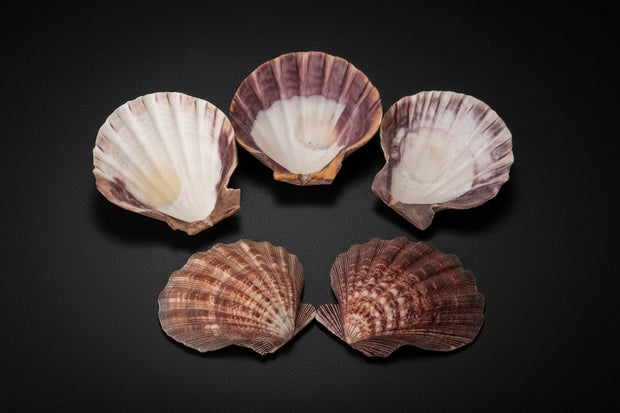
The Lion Paw Shell Offering Vessel provides a natural, visually distinctive altar container. Shells are best handled gently and protected from impact, harsh cleaners, and prolonged contact with substances that may stain or degrade the surface.
Natural shells also carry sourcing considerations. Use the object respectfully, avoid presenting shell collecting as environmentally neutral in every location, and do not return a purchased shell to an ecosystem where it does not belong.
Selenite and Other Crystal Bowls
A Large White Selenite Bowl can hold dry offerings, written petitions, compatible stones, jewelry, or other dry ritual objects. It should not hold water, wine, oil, or other liquids. Selenite is moisture-sensitive and can be damaged by soaking or repeated wet use.
Metaphysical traditions commonly associate selenite with purification and clarity, but those associations are spiritual interpretations rather than scientifically established effects. Choose the bowl because its physical form and traditional symbolism fit the practice, not because a result is guaranteed.
How to Present an Offering
A simple offering practice can be completed in seven steps.
- Identify the recipient. Name the deity, ancestor, honored dead, household presence, or devotional focus. Avoid a vague invitation to anything that may be nearby.
- Identify the purpose. Is the offering gratitude, remembrance, devotion, petition, celebration, apology, or fulfillment of a vow?
- Choose an appropriate item. Consider tradition, personal meaning, safety, waste, allergies, household rules, and disposal before presentation.
- Select the correct vessel. Match liquids, dry materials, heat, and food to a vessel that can physically tolerate them.
- Present it clearly. Place the offering and speak a brief dedication. Elaborate language is optional.
- Set a removal time. Decide in advance whether it will remain for a few minutes, the duration of a rite, several hours, or another tradition-specific period.
- Remove and dispose of it responsibly. Close the act with thanks or a stated ending, then clean the vessel.
A beginner does not need to interpret every flicker, spill, crack, insect, dream, or change in appearance as a message. First consider ordinary causes: airflow, heat, moisture, material weakness, pests, expectation, and coincidence. Spiritual interpretation, where part of the practice, should be approached with patience rather than fear.
How Long Should an Offering Stay on the Altar?
There is no universal duration. Some rites remove an offering immediately after the ceremony. Other traditions leave it until the next day, until a candle finishes, or for a specified festival period.
Practical safety sets an outer boundary. Remove food before it spoils, molds, attracts pests, or becomes accessible to animals. Refresh standing water regularly. Remove flowers when they decay. Do not leave flame or heat unattended for any period.
When uncertain, choose a modest, defined duration and record it. A consistent practice is easier to evaluate than a bowl left indefinitely because the practitioner is afraid that removal may be disrespectful.
Can You Eat or Drink an Offering Afterward?
Traditions disagree. In some religious settings, offered food is later shared or consumed. In others, it is reserved for the recipient and is not eaten by the practitioner. Ancestor customs can also vary by family and culture.
Do not invent a universal rule. Research the specific tradition. Even where consumption is religiously acceptable, ordinary food-safety rules remain in force. Never consume an item that has sat at unsafe temperatures, contacted a non-food-safe vessel, absorbed smoke or ash, mixed with ritual oils, or been exposed to contamination.
Respectful Disposal of Offerings
Disposal is part of the offering, not an afterthought. The method should respect the practice while protecting the household, public space, wildlife, soil, and water.
Household Trash
Placing an offering in household trash is sometimes the safest option. It prevents mold, pests, accidental poisoning, and litter. The practitioner may wrap the item, offer a closing statement, or separate it from ordinary waste if that has personal significance. Physical disposal does not erase the meaning of the completed act.
Composting
Composting may be appropriate for plain plant-based offerings accepted by the composting system. Do not compost materials that the system cannot process, including large amounts of oils, salt, alcohol, meat, dairy, wax, synthetic decorations, glitter, treated flowers, toxic plants, or noncompostable packaging.
Liquids
Small quantities of plain water can usually be disposed of in a sink or used on a suitable household plant. Other liquids require judgment. Sugary drinks can attract insects. Oils can damage plumbing. Alcohol may be unsafe around children, pets, recovery environments, flames, and wildlife. Follow local disposal guidance and never pour a substance into soil, storm drains, waterways, or public land merely because the substance was used ritually.
Outdoor Placement
“Return it to nature” is not automatically respectful. Food can habituate wildlife, spread disease, attract rodents, introduce salt or toxins, and violate property or park rules. Coins, glass, metal, wax, ribbons, plastic, glitter, incense sticks, and containers become litter.
Outdoor disposal is appropriate only when the material is legal to leave, ecologically harmless in that location, unlikely to attract or injure animals, and permitted by the landowner or managing authority. When those conditions are uncertain, dispose of the offering at home.
Burial
Burial can disturb roots, soil, archaeology, graves, utilities, and managed land. Never bury objects on property you do not own or have permission to use. Avoid salt, glass, metal, wax, plastic, toxic botanicals, oils, and animal-harming food. A small biodegradable item in a permitted personal garden is different from leaving ritual debris in a park or cemetery.
Offerings, Cemeteries, and Graves
Cemetery rules take priority over personal ritual preference. Many cemeteries restrict food, glass, flame, incense, alcohol, coins, and objects that interfere with mowing or maintenance. Items placed on a grave may be removed by staff.
For ancestor work, consider offerings that do not leave debris: speak the person’s name, clean the marker with an approved method, place flowers allowed by the cemetery, document family history, donate in the person’s memory, or present food at a home altar instead.
Cultural and Religious Boundaries
Not every offering practice is available for casual adoption. Some ceremonies are tied to initiation, family lineage, priesthood, ethnicity, or a living religious community. A public list of ingredients does not necessarily grant the context needed to perform the rite.
When learning from a tradition:
- identify whether the source belongs to the community being described;
- distinguish historical evidence from modern invention;
- respect closed, initiatory, and lineage-specific practices;
- avoid removing a deity or spirit from the religion that gives the relationship meaning;
- do not imitate sacred language, clothing, or ceremony solely for aesthetic effect;
- seek qualified teachers when the practice requires formal guidance.
A simple offering of gratitude within one’s own open practice is preferable to reproducing a ceremony without permission or understanding.
Keeping an Offering Record
A devotional journal prevents memory from turning impressions into supposed rules. Record:
- the date and occasion;
- the recipient and purpose;
- the offering and vessel used;
- the source for any traditional association;
- how long the offering remained;
- how it was disposed of;
- practical observations, including spoilage or vessel damage;
- personal impressions, clearly labeled as personal impressions.
Over time, this record shows what is sustainable. A practice that repeatedly creates food waste, pests, smoke problems, or damaged vessels should be adjusted rather than defended as more spiritually authentic.
Common Offering Mistakes
- Using an unsourced correspondence list as law: verify whether the association is historical, regional, modern, or personal.
- Giving an unsafe substance: tradition does not remove toxicity, allergy, fire, plumbing, or wildlife concerns.
- Leaving too much: a small intentional portion is often more manageable than an elaborate display that spoils.
- Using the wrong vessel: liquids can damage selenite and cast iron, while heat can fracture or discolor unsuitable materials.
- Assuming expense equals devotion: clean water, prayer, study, service, and maintained commitments can be meaningful offerings.
- Making a demand without accepting refusal: an offering does not guarantee a sign, answer, or outcome.
- Leaving ritual litter outdoors: environmental harm contradicts the stated purpose of honoring land or sacred place.
- Being afraid to remove spoiled food: hygiene and respect are compatible.
- Inviting unknown beings: name the focus and set boundaries rather than offering indiscriminately.
A Simple Weekly Offering Practice
For a sustainable devotional rhythm, choose one day each week and present a small offering of fresh water in a dedicated vessel. Name the recipient, give thanks, and spend several minutes in prayer, reading, silence, or remembrance. Remove the water at a consistent time, clean and dry the bowl, and write one sentence in a journal.
This practice is intentionally modest. It builds regularity before complexity. Once the relationship, tradition, and household routine are better understood, food, incense, seasonal materials, music, charity, or other devotional acts can be added with purpose.
Frequently Asked Questions
What is the best first offering to a deity?
Research the deity’s tradition first. When no specific requirement applies, fresh water, a respectful prayer, and time spent learning are practical starting points. They are inexpensive, low-waste, and easy to maintain.
Can I offer the same item to different deities?
Possibly, but do not assume that every religious relationship has identical customs. Separate vessels and clearly named presentations can prevent confusion. Tradition-specific guidance should take priority over convenience.
What can I offer an ancestor I never knew?
You can offer clean water, flowers, the reading of their name, genealogical research, preservation of family photographs, or an act of care directed toward living relatives. Personal knowledge is helpful but not required for respectful remembrance.
Is tap water acceptable?
In many personal practices, yes. There is no need to create financial strain or plastic waste to make a simple water offering. A specific tradition may prescribe another source or preparation, which should be evaluated within that context.
Can an offering bowl also be used for incense?
Only when the product is designed for that use and the burning method is appropriate. A bowl suitable for dry food is not automatically heat-safe. Never burn incense in selenite, an unknown ceramic, or a decorative vessel without confirmed instructions.
What should I do if an offering molds?
Remove it promptly, clean the area, inspect nearby objects, and shorten the presentation time in the future. Mold is a biological process, not evidence that the offering was spiritually accepted or rejected.
Must I leave offerings outdoors?
No. Home disposal is often safer and more respectful. Outdoor placement should occur only when legal, permitted, biodegradable, ecologically appropriate, and harmless to wildlife.
How do I know whether an offering was accepted?
Different traditions answer this differently. Avoid treating every coincidence as a sign or escalating offerings out of anxiety. Follow established ritual guidance where available, maintain the relationship consistently, and label personal impressions as interpretation rather than proof.
Build a Practice That Can Be Maintained
The strongest offering practice is not the most expensive or dramatic. It is informed, consistent, safe, and respectful of both the spiritual relationship and the physical world. Choose something appropriate, present it clearly, establish how long it will remain, and decide how it will be removed before the ritual begins.
Explore The American Occultist’s Offering Bowls to compare vessels for liquid, dry, devotional, and altar use. For a traditional ceremonial presentation, consider the Brass Ritual Drinking Bowl. For dry offerings or incense presentation, examine the Oval Cast-Iron Offering Bowl. For a natural vessel, view the Lion Paw Shell. For dry crystal-based altar arrangements, the Large White Selenite Bowl provides a substantial option that should always be kept away from liquids.
Choose the vessel for what it can safely hold, then let research, clarity, and consistent devotion give the offering its meaning.
Tools for this practice
Explore the products selected for this guide. Review each listing for what is included and how to use it.



Shop this guide · 4 items Collapse



Keep exploring the shop
You made it to the end of the guide. Keep exploring through related products, major departments, or the full catalog.
 RELATED TO THIS GUIDE
Ritual Supplies & Altar Tools
Shop this topic
RELATED TO THIS GUIDE
Ritual Supplies & Altar Tools
Shop this topic


Leave a comment