


Norse Paganism (Ásatrú) Guide: Norse Gods and Heathen Practices

Norse Paganism is a modern revival and reconstruction of pre-Christian religious traditions from Scandinavia and the wider Germanic world. Ásatrú is one current within modern Heathenry, while other practitioners use labels such as Heathen, Norse Pagan, or Germanic polytheist.
What Are Norse Paganism, Ásatrú, and Heathenry?
Modern Norse Pagan traditions draw from surviving myths, sagas, archaeology, historical research, folklore, and contemporary religious communities. Ásatrú literally refers to trust or faith in the Æsir, but the term is often used more broadly for modern worship of Norse gods.
Historical Sources and Modern Reconstruction
Pre-Christian Scandinavian religion was never one perfectly uniform system. Modern practitioners compare sources such as the Poetic Edda, Prose Edda, sagas, place names, inscriptions, and archaeological evidence while adapting practice to contemporary life.
Common Heathen Values
- Reciprocity between people, gods, ancestors, and community
- Hospitality, integrity, courage, and responsibility
- Respect for family, chosen kin, and local relationships
- Awareness that present choices shape future consequences
Major Norse Gods and Spiritual Beings
Odin
Odin is associated with wisdom, poetry, magic, war, death, kingship, and the runes.
Thor
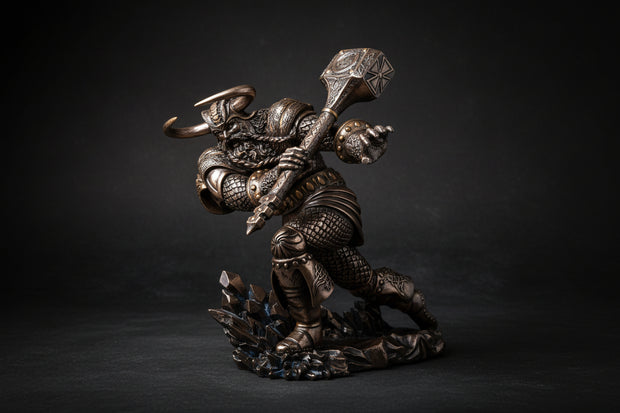
Thor is associated with thunder, protection, strength, courage, and the defense of human communities. Mjölnir, his hammer, is a widely used Heathen symbol.
Freyja and Freyr
Freyja is associated with love, fertility, sovereignty, battle, and seiðr. Freyr is associated with peace, prosperity, fertility, agriculture, and favorable seasons.
Loki
Loki is a complex mythic figure connected with transformation, conflict, boundary crossing, and change. Modern attitudes toward honoring Loki differ between communities.
Ancestors and Land Spirits
Many Heathens also honor ancestors, household spirits, and landvættir—spirits associated with particular places and landscapes.
Norse Pagan Worldview
Yggdrasil and the Worlds
Norse cosmology describes interconnected worlds arranged around Yggdrasil, the World Tree. Modern practitioners use these myths as religious, poetic, and cosmological frameworks.
Wyrd and Responsibility
Wyrd is often described as an unfolding web shaped by inherited circumstances, previous actions, present choices, and their consequences.
Death and the Afterlife
Norse sources describe several possible destinations and relationships with the dead rather than one simple heaven-and-hell system. Valhalla represents only one part of that wider picture.
Common Heathen Practices
Blót
A blót is an offering ritual directed toward gods, ancestors, or spirits. Modern offerings may include food, drink, devotional words, music, or practical acts of service.
Sumbel
Sumbel is a formal sequence of toasts, boasts, remembrance, and carefully considered oaths. Practices differ between groups.
Runes
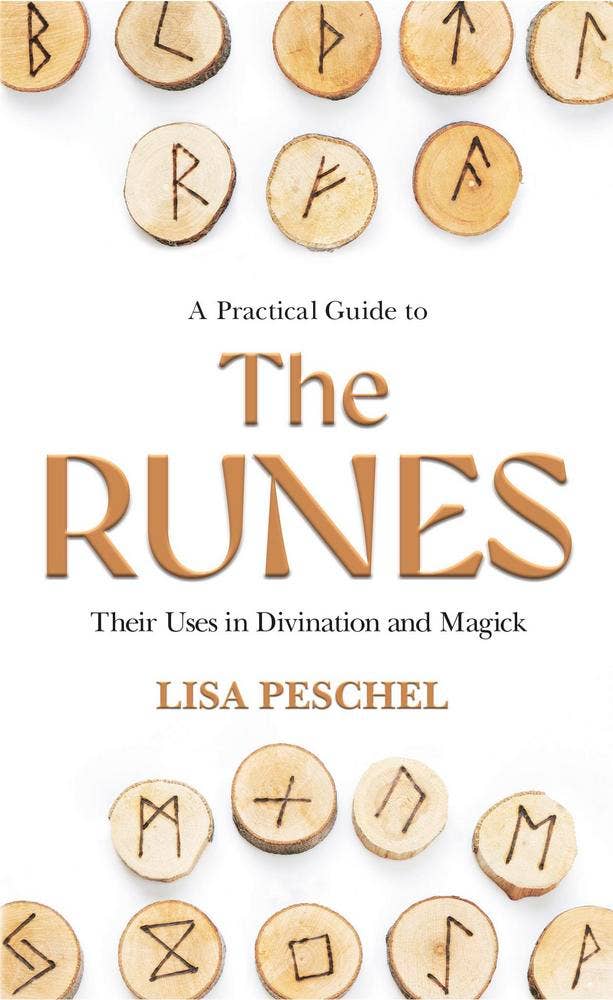
Runes are historical writing systems that also appear in modern meditation, divination, art, and magical practice. Historical study helps separate documented inscriptions from modern correspondences.
Seasonal Observances
Modern Heathen calendars may include Yule, Midsummer, Winter Nights, ancestor observances, harvest celebrations, and locally developed community rites.
How to Begin a Norse Pagan Practice
- Read reliable translations of the Eddas and selected sagas.
- Compare reconstructionist scholarship with modern devotional sources.
- Begin with a simple altar, prayer, or offering rather than buying every possible tool.
- Learn how local Heathen communities define reciprocity, oath-making, and hospitality.
- Reject racist or exclusionary claims that treat ancestry as a requirement for worship.
Frequently Asked Questions
Is Ásatrú the same as Norse Paganism?
Ásatrú is one form of Norse Paganism or Heathenry, although the terms often overlap in everyday use.
Do Norse Pagans worship Vikings?
No. Vikings were historical people and occupations. Modern Heathens honor gods, ancestors, spirits, values, and religious traditions.
Can anyone practice Norse Paganism?
Inclusive Heathen traditions welcome practitioners regardless of ancestry. Cultural study and respectful practice matter more than bloodline claims.
Related Reading
Tools for this practice
Explore the products selected for this guide. Review each listing for what is included and how to use it.
Shop this guide · 3 items Collapse


Keep exploring the shop
You made it to the end of the guide. Keep exploring through related products, major departments, or the full catalog.


Leave a comment