


Samhain Ancestor Rituals: Honoring the Dead on the Witch’s New Year

“The dead remain present through memory, story, family custom, and the names the living continue to speak.”
Samhain is a Gaelic seasonal festival that has influenced many modern Pagan and witchcraft observances around October 31 in the Northern Hemisphere. Contemporary practitioners often use the season for remembrance, ancestor veneration, grief rituals, reflection, and marking the movement into winter.
What Is Samhain?
Samhain historically marked a seasonal transition within Gaelic cultures. The modern description of it as the “Witch’s New Year” belongs primarily to newer Pagan and witchcraft traditions rather than a single universal ancient observance.
Modern Samhain practices vary widely. Some are religious, some are family-centered, and others are private acts of remembrance without claims of spirit communication.
Create an Ancestor or Remembrance Altar
- Display photographs, written names, copies of recipes, or non-irreplaceable keepsakes.
- Use an LED candle or supervised candle for remembrance.
- Place ordinary food or drink indoors during the observance, then handle it according to normal food-safety and disposal practices.
- Speak names, read family stories, or write about what you wish to carry forward.
Hold a Quiet Remembrance Meal
Prepare a familiar meal and set aside a symbolic place, photograph, or written name for those being remembered. The meal may be silent, conversational, or accompanied by family stories. There is no need to leave food outdoors.
A Samhain Candle Reflection
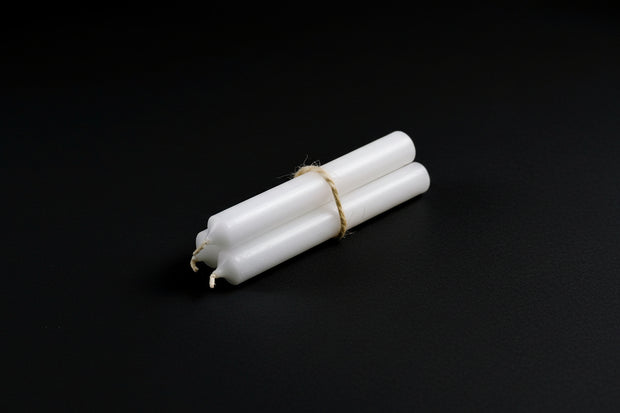
- Place a black, white, or flameless candle on a stable surface.
- Write the name of a person, ancestor, community member, or past version of yourself you wish to remember.
- Light or switch on the candle and spend several minutes reflecting.
- Write what you learned from that life, relationship, or memory.
- Close by expressing thanks and extinguishing the candle.
Common Samhain Symbols and Materials
- Rosemary: Remembrance and continuity
- Marigold: Remembrance within several cultural traditions; use context carefully
- Apples and seasonal foods: Harvest, hospitality, and family memory
- Photographs and written names: Personal and genealogical remembrance
- Black and white candles: Mourning, transition, clarity, and memory
Frequently Asked Questions
Is Samhain always celebrated on October 31?
Many modern practitioners use that date, while others observe according to local season, sunset, tradition, or Southern Hemisphere calendars.
Does Samhain require spirit communication?
No. Remembrance, grief work, family history, seasonal reflection, and a quiet meal can form a complete observance.
What can be placed on an ancestor altar?
Photographs, names, copies of recipes, flowers, meaningful objects, and a flameless or supervised candle are common choices.
Related Reading
Tools for this practice
Explore the products selected for this guide. Review each listing for what is included and how to use it.



Shop this guide · 4 items Collapse


Keep exploring the shop
You made it to the end of the guide. Keep exploring through related products, major departments, or the full catalog.
 RELATED TO THIS GUIDE
Ritual Supplies & Altar Tools
Shop this topic
RELATED TO THIS GUIDE
Ritual Supplies & Altar Tools
Shop this topic


Leave a comment