


Shadow Work Is Not Therapy: Journaling, Trauma, Limits, and When to Get Help

Shadow work is often described as exploring rejected, hidden, uncomfortable, or unexamined parts of the self. Practitioners may use journaling, tarot, meditation, dream reflection, art, or ritual to examine patterns and difficult emotions.
That work may be meaningful, but shadow work is not a standardized clinical treatment. A journal prompt, tarot spread, ritual, coach, influencer, or spiritual reader is not automatically a substitute for a trained mental-health professional.
You do not have to choose between spiritual reflection and therapy. They can coexist when their roles are kept clear.
What Shadow Work Can Do
A careful reflective practice may help you:
- Notice recurring reactions and relationship patterns.
- Name emotions you usually avoid.
- Examine shame, projection, resentment, fear, or perfectionism.
- Question inherited beliefs and self-protective habits.
- Clarify boundaries and values.
- Bring useful observations into therapy or trusted conversation.
These are possibilities, not guarantees. Reflection can also become repetitive, overwhelming, or distorted when someone is isolated or highly distressed.
What Psychotherapy Is
Psychotherapy is treatment delivered through a professional relationship with a qualified mental-health provider. Depending on the person and concern, therapy may use structured approaches to address thoughts, emotions, behavior, trauma, relationships, coping, and daily functioning.
The National Institute of Mental Health provides an overview of psychotherapies and how they are used. Licensing, titles, and scope vary by jurisdiction, so verify a provider’s credentials and experience.
Why the Difference Matters
Shadow work has no universal training standard, ethical board, diagnostic process, crisis protocol, or evidence-based treatment plan. A spiritual practitioner may be compassionate and experienced, but that does not automatically qualify them to treat trauma, psychosis, severe depression, obsessive-compulsive symptoms, eating disorders, substance-use disorders, or suicidal thoughts.
Calling a difficult exercise “healing” does not prove that it is safe or effective for every person.
Journaling Is a Tool, Not a Test of Courage
Journaling can organize thoughts, but more intensity is not always better. You do not need to uncover the worst event in your life in one sitting.
Use safer structure:
- Set a time limit of ten to twenty minutes.
- Begin with your current surroundings and physical state.
- Choose one specific question.
- Stop when you become flooded, numb, disoriented, or unable to return to the present.
- End with grounding and an ordinary activity.
- Do not drive, work with flame, or use intoxicants while destabilized.
Prompts That Stay in the Present
Not every session must excavate trauma. Try questions such as:
- What situation repeatedly leaves me resentful?
- What boundary have I been afraid to state?
- What am I assuming about another person without evidence?
- What mistake am I treating as proof of my entire identity?
- What need am I expecting other people to guess?
- What would a proportionate response look like?
- What support would make this easier?
Our Shadow Work for Beginners guide offers additional structure and boundaries.
Tarot and Divination Have Limits
Tarot can provide language for reflection, but it should not diagnose mental illness, recover supposedly hidden memories, or prove that abuse occurred. Repeated readings can reinforce fear when every card is treated as confirmation.
Use questions that preserve agency:
- What perspective have I avoided?
- What boundary needs attention?
- What support can I seek?
- What is one safe next step?
See Tarot for Shadow Work for reflective spreads and safety limits.
Shadow Work Should Not Create False Memories
Memory is not a perfect recording. Dreams, meditation, hypnosis-like exercises, leading questions, and repeated interpretation can produce strong impressions without establishing historical fact.
Do not accuse someone, confront a possible abuser, or make irreversible legal and family decisions solely because a ritual, reading, dream, or journal session appeared to reveal a hidden memory. Bring concerns to a qualified professional who avoids suggestion and understands trauma and memory.
Warning Signs to Pause
Stop the exercise and seek support when shadow work leads to:
- Panic, flashbacks, or severe dissociation.
- Inability to sleep or function normally.
- Compulsive journaling, cleansing, confession, or divination.
- Self-harm urges or thoughts of suicide.
- Hearing commands or losing touch with shared reality.
- Rapidly worsening depression, agitation, or fear.
- Using substances to force memories, visions, or emotional release.
- Dependence on one teacher who discourages outside help.
The NIMH guide My Mental Health: Do I Need Help? outlines signs that professional care may be appropriate.
When Immediate Help Is Needed
If you are in the United States and are experiencing suicidal thoughts, a mental-health crisis, or concern that you cannot stay safe, call or text 988 to reach the Suicide & Crisis Lifeline. Call 911 in a life-threatening emergency. Outside the United States, contact the emergency or crisis service in your country.
A ritual should not be used as the sole response to immediate danger.
Red Flags in Shadow-Work Coaching
Be cautious when a teacher, reader, or coach:
- Claims discomfort proves the method is working.
- Promises to cure trauma without appropriate credentials.
- Diagnoses you through tarot, energy, or social-media messages.
- Insists every boundary is avoidance.
- Pressures you to disclose traumatic experiences publicly or in a group.
- Uses humiliation or emotional breakdown as initiation.
- Discourages medication, therapy, or medical care.
- Claims only they can remove the darkness they uncovered.
- Charges escalating fees after creating fear.
How Shadow Work and Therapy Can Coexist
You may bring journal entries, dreams, spiritual concerns, or recurring symbols to therapy. Ask whether the provider is comfortable discussing religion and spirituality without automatically affirming or dismissing supernatural interpretations.
A useful division of roles might be:
- Spiritual practice: Meaning, values, ritual, symbolism, devotion, community, and personal reflection.
- Therapy: Assessment, treatment goals, coping skills, trauma-informed care, behavior change, relationship work, and clinical support.
- Medical care: Physical causes, medication, sleep, neurological symptoms, substance effects, and health monitoring.
You Control the Pace
You can skip a prompt, stop a spread, close a book, leave a group, or decide that a topic is better handled with professional support. Avoiding all discomfort can limit growth, but forcing yourself into destabilization is not courage.
A healthy practice increases your ability to live, choose, connect, and function. It should not make permanent crisis feel spiritually necessary.
A Safer Shadow-Work Session
- Check that you are rested enough to reflect.
- Choose one present-focused question.
- Set a fifteen-minute timer.
- Write observations rather than conclusions.
- Name one practical response or boundary.
- Ground through food, water, movement, or conversation.
- Delay major decisions until you are calm.
Frequently Asked Questions
Can shadow work heal trauma?
Personal reflection may support understanding, but trauma treatment should be guided by qualified professionals when symptoms are significant. Do not promise yourself or others a cure through journaling alone.
Do I need to relive painful memories?
No. Effective care does not always require detailed retelling, and unstructured exposure can be destabilizing. Work at a safe pace with appropriate support.
Is crying during shadow work a bad sign?
Emotion alone does not determine whether an exercise is harmful or helpful. Assess whether you can return to the present and function afterward.
Can a therapist respect witchcraft?
Many providers can discuss spiritual beliefs respectfully. You may ask about their approach before beginning and seek another provider if they are dismissive or coercive.
Reflection Needs Boundaries
Shadow work can be a valuable spiritual or personal practice when it remains voluntary, paced, and grounded. It becomes dangerous when intensity is mistaken for effectiveness or when spiritual language replaces professional care. Explore carefully, stop when needed, and seek help without shame.
Optional Guided Reflection
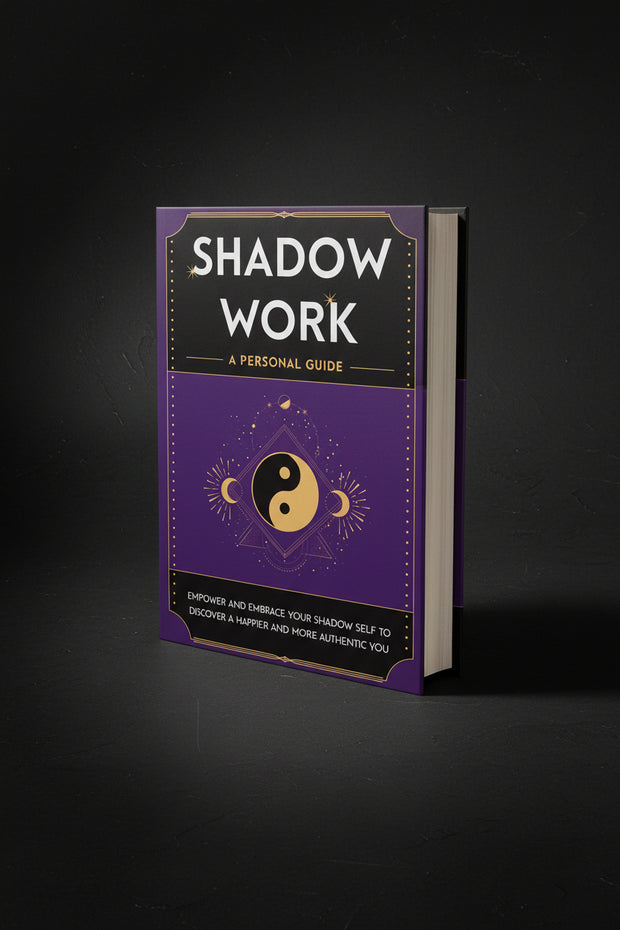
For structured, present-focused journaling, consider Shadow Work: A Personal Guide. It can support reflection, but it is not psychotherapy, trauma treatment, crisis care, or a method for recovering hidden memories.
Tools for this practice
Explore the products selected for this guide. Review each listing for what is included and how to use it.
Shop this guide · 1 item Collapse

Keep exploring the shop
You made it to the end of the guide. Keep exploring through related products, major departments, or the full catalog.


Leave a comment