


Should You Cleanse a Tarot Deck? Smoke-Free Methods, Care, and What Cleansing Means

You do not have to cleanse a tarot deck before it will work. Cards are printed objects, and shuffling, study, and clear questions matter more to reading skill than performing a mandatory purification ritual. Still, many readers use cleansing as a way to mark ownership, reset attention, close a difficult session, or begin again after a long break.
The useful question is not “What rule must I follow?” but “What purpose would this action serve?”
What tarot cleansing means
In spiritual practice, cleansing usually means symbolically clearing unwanted associations or preparing a tool for intentional use. In a psychological or secular practice, the same action can function as a transition ritual: it tells the mind that one session is over and another is beginning.
Cleansing does not sterilize cards, remove physical dirt, guarantee accuracy, erase another person’s touch, or prove that a deck contains energy. Keep ritual care and material care separate.
When readers choose to cleanse
- When opening a new or secondhand deck.
- After a reading that felt emotionally heavy.
- After many people handled the cards.
- When returning after a long break.
- When the deck has become associated with anxious or compulsive reading.
- As part of a regular devotional or professional routine.
None of these situations creates an obligation. A deck that feels “off” may simply need reordering, practice, better lighting, a clearer question, or a break.
Smoke-free cleansing methods
Reorder the deck
Place the Major Arcana and each suit in order. This is both a reset ritual and a useful way to check for missing or damaged cards.
Shuffle with a stated purpose
Shuffle slowly while naming the transition: “The previous reading is complete. This deck is ready for the next question.”
Knock or tap
Some readers tap the deck once or three times. It is simple, portable, and safe for most cardstock when done gently.
Sound
Use a bell, chime, singing bowl, clapping, or recorded tone at a comfortable volume. Do not place vibrating metal directly on cards.
Breath and visualization
Take several steady breaths and imagine the previous session closing. Avoid blowing directly on the deck if moisture or hygiene is a concern.
Light without sunlight
Place the closed deck near indirect daylight or moonlight. Direct sun can fade inks and warp boxes, and outdoor moisture can damage cardstock.
Written reset
Record what you are releasing from the previous reading and what question will guide the next one. This is especially useful when repeated readings are driven by anxiety.
For more options, see Smoke-Free and Flame-Free Witchcraft.
Methods that can damage cards
- Incense and smoke: soot, odor, ash, and heat can stain cards and boxes.
- Water or sprays: moisture can swell cardstock, dissolve coatings, and encourage mold.
- Salt: direct contact can abrade surfaces and attract moisture.
- Essential oils: oils stain, weaken lamination, and may irritate skin or pets.
- Direct sunlight: prolonged exposure fades printing and can warp cards.
- Crystals placed on top: heavy or sharp stones can dent, scratch, or bow the deck.
Physical care is different
Keep hands clean and dry, use a clean reading surface, and store the deck away from dampness, smoke, food, direct sun, and extreme temperature changes. If the cards are dusty, wipe them gently with a dry microfiber cloth. Do not use household cleaners unless the manufacturer specifically permits them.
Our guide to storing tarot cards covers boxes, wraps, humidity, bent cards, and travel protection.
Can another person touch your deck?
There is no universal prohibition. Some readers invite clients to shuffle; others handle the deck themselves for hygiene, privacy, accessibility, or tradition. Choose a consistent policy and explain it without telling customers they are spiritually contaminated.
If someone handles the cards against your wishes, you may reorder or shuffle them as a boundary-setting ritual. You do not need to frighten yourself about permanent damage.
When cleansing becomes compulsive
Repeatedly cleansing, checking, or redrawing because you fear catastrophe can turn a reflective practice into an anxiety loop. Set limits: one reset, one spread, and a defined end. If the urge to repeat rituals interferes with sleep, work, relationships, or daily functioning, step away and consider speaking with a mental-health professional.
A one-minute reset
- Gather all cards and check the count.
- Take one slow breath.
- Tap the deck once or place it in order.
- State that the previous session is closed.
- Store it or begin one clearly worded question.
Browse divination tools for decks, cloths, and reading accessories, remembering that no accessory is required for a valid practice.
Frequently asked questions
Must I cleanse a brand-new deck?
No. You may begin by reading the guidebook and shuffling.
Can I use incense?
You can if the environment is safe, but smoke can damage cards and irritate people or animals. Smoke-free methods are usually easier on the deck.
Does moonlight charge tarot cards?
Some practitioners use moonlight symbolically. It is not required, and direct outdoor exposure risks moisture.
Can I cleanse several decks at once?
Yes. Reordering, sound, or a written closing ritual can be applied to multiple decks.
What if the deck still feels wrong?
Check for missing cards, review the guidebook, change the question, rest, or use a different deck. You are allowed to retire a tool that no longer supports your practice.
Tools for this practice
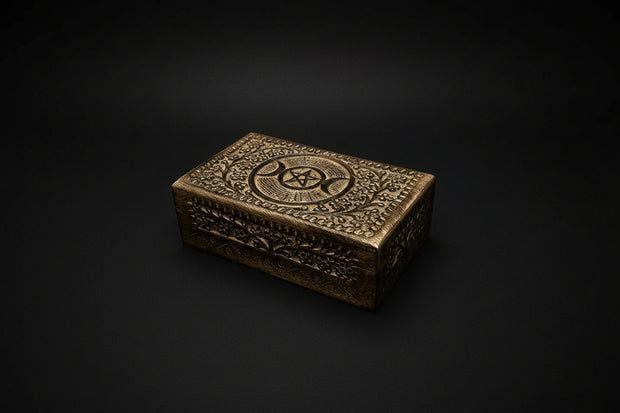
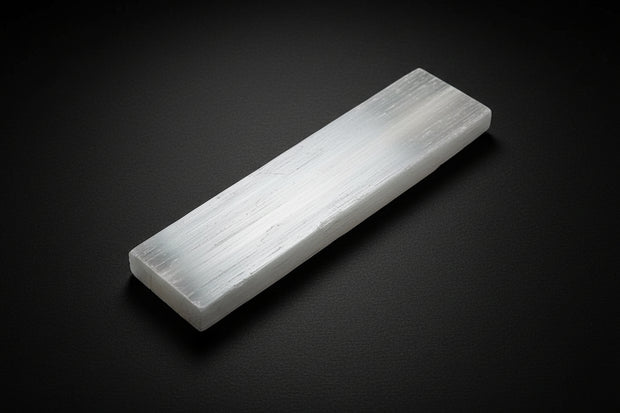
Explore the products selected for this guide. Review each listing for what is included and how to use it.


Shop this guide · 4 items Collapse


Keep exploring the shop
You made it to the end of the guide. Keep exploring through related products, major departments, or the full catalog.


Leave a comment