


The Ethics of Divining About Other People: Consent, Privacy, and Responsible Readings

Questions about other people are common in tarot, palmistry, pendulum work, and other forms of divination: “What are they thinking?” “Are they cheating?” “Will my child make the decision I want?” “What secret is my coworker hiding?”
A spread may be able to help the person asking reflect on a relationship, but that does not make every question responsible or answerable. Divination should not turn an absent person's private life into an object of surveillance, and it should not convert symbols into factual accusations.
Why Third-Party Questions Need Limits
The person being asked about is usually not present to consent, correct assumptions, or explain their circumstances. The reading is filtered through the seeker's question, the reader's interpretation, and a symbolic method. That is too much uncertainty to treat the result as verified access to another person's mind.
Privacy is not the only concern. A reading can influence real decisions about relationships, custody, employment, health, money, or personal safety. The more serious the consequence, the more important it is to separate reflection from evidence.
Questions a Responsible Reader Should Decline or Reframe
- Requests to expose private facts: passwords, medical information, sexual history, pregnancy, or other confidential matters.
- Accusations presented as yes-or-no divination: whether a person is cheating, stealing, lying, using drugs, or committing a crime.
- Control questions: how to make another person return, obey, leave someone else, or make a specific decision.
- Substitutes for professional evidence: questions that properly require a doctor, attorney, financial professional, law enforcement, or direct documentation.
- Repeated surveillance: checking the same person's thoughts or movements over and over.
Declining a question is not a failure of divination. It protects the seeker from making a high-stakes conclusion on information the method cannot verify.
How to Reframe the Question Toward the Seeker
A strong reframe preserves the underlying concern while returning agency to the person who requested the reading.
- Instead of “What are they secretly thinking about me?”
Ask: “What dynamic am I noticing, and what conversation or boundary would give me clarity?” - Instead of “Are they cheating?”
Ask: “What evidence, needs, and trust issues should I address directly in this relationship?” - Instead of “Will my adult child do what I want?”
Ask: “How can I communicate my concern while respecting their choices?” - Instead of “Who sent this bad energy?”
Ask: “What practical and spiritual steps would help me feel grounded and protected without making an accusation?” - Instead of “How do I make them come back?”
Ask: “What do I need to understand about this ending, my boundaries, and my next decision?”
Reading About a Relationship Is Not the Same as Reading a Person
It is possible to explore the seeker's experience of a relationship without claiming private access to the other party. A reader can examine patterns the seeker has observed, choices available to them, communication barriers, values, and possible consequences.
The wording matters. “This card suggests you may be experiencing uncertainty” is different from “This card proves your partner is lying.” The first supports reflection. The second presents interpretation as evidence.
Extra Care When the Absent Person Is Vulnerable
Questions involving minors, patients, employees, clients, or people in crisis require particular restraint because power is unequal and the consequences of speculation can be serious. A reading should not diagnose a child, reveal a client's supposed secrets, or justify a workplace decision.
When immediate safety is involved, use direct protective action and qualified help. Divination can accompany reflection, but it should not delay emergency services, medical care, documentation, or a necessary conversation.
What to Expect From a Responsible Reading
A responsible reader should be willing to explain boundaries before the session, distinguish interpretation from fact, and redirect questions that invade privacy or create unsupported accusations. They should not guarantee outcomes or make the customer dependent on repeated readings.
The seeker also has responsibilities: ask questions that preserve agency, disclose what is relevant, avoid using a reading as proof against someone else, and make consequential decisions with evidence appropriate to the situation.
Continue With a Reading or Your Own Practice
For self-directed study, our guide to tarot, runes, pendulums, and scrying for beginners compares methods, while the Divination Tools collection offers decks and tools for readers who have chosen a method.
If you want an in-person session in Coshocton, review our Tarot Readings or Palm Readings pages. A useful reading should leave you with clearer questions and more agency—not a claim to control or expose another person.
Tools for this practice
Explore the products selected for this guide. Review each listing for what is included and how to use it.

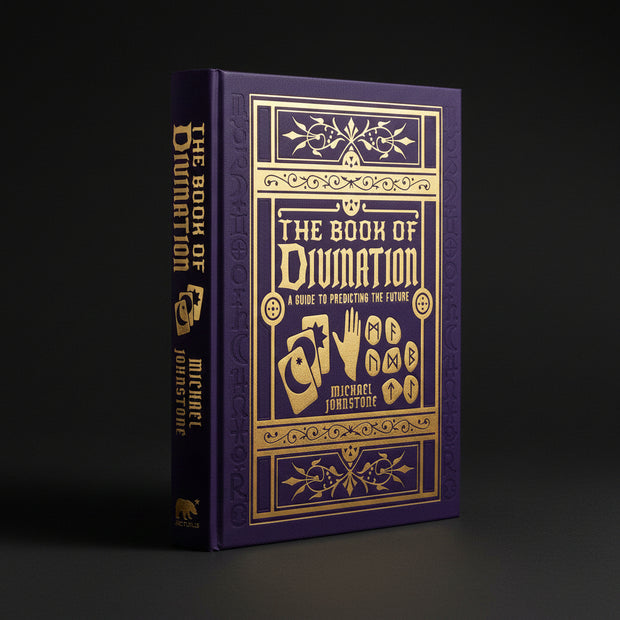


Shop this guide · 4 items Collapse




Keep exploring the shop
You made it to the end of the guide. Keep exploring through related products, major departments, or the full catalog.


Leave a comment