


Divination for Beginners: Tarot, Runes, Pendulums & Scrying

Divination is a family of practices used to generate symbols, organize reflection, explore possibilities, or seek spiritual insight. Common methods include tarot, oracle cards, runes, pendulums, and scrying.
No divination tool guarantees factual prediction. Interpretation is influenced by expectation, memory, mood, question wording, and the reader’s existing beliefs. Use divination as a reflective practice rather than unquestionable authority over health, money, law, safety, or another person’s consent.
Beginner Divination Methods Compared
Tarot
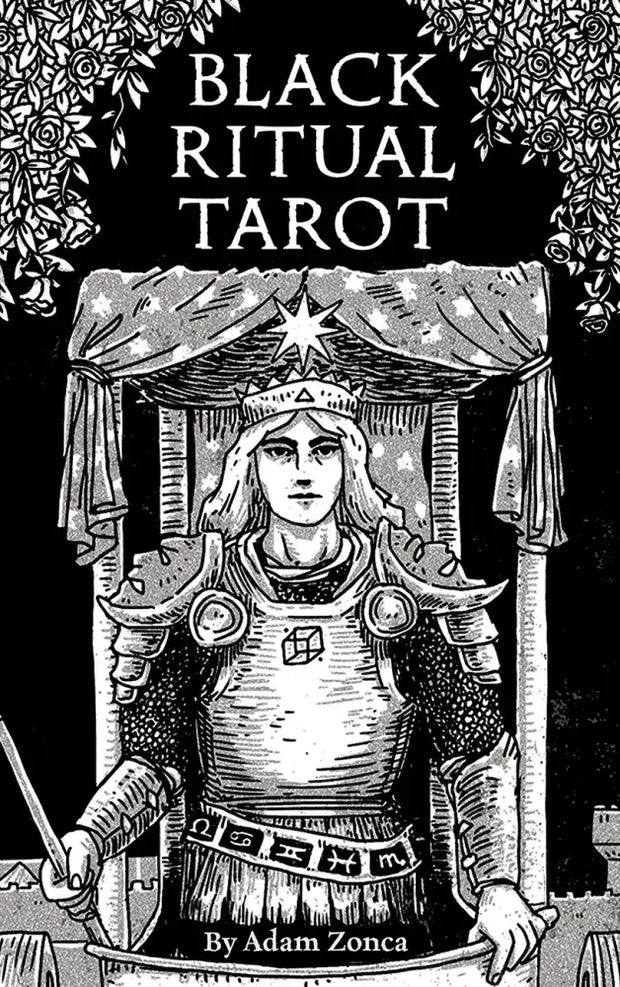
Tarot uses a structured deck traditionally containing Major and Minor Arcana. It suits readers who enjoy visual symbolism, narrative, and learning a consistent card system. A Dark Wood Tarot deck is one available visual style; the guide to choosing a first tarot deck explains what matters beyond artwork.
Oracle Cards
Oracle decks do not share one required structure. The creator determines the number of cards, themes, and meanings. They can be approachable, but the guidebook should still be read critically. See Tarot vs. Oracle Cards for a detailed comparison.
Runes
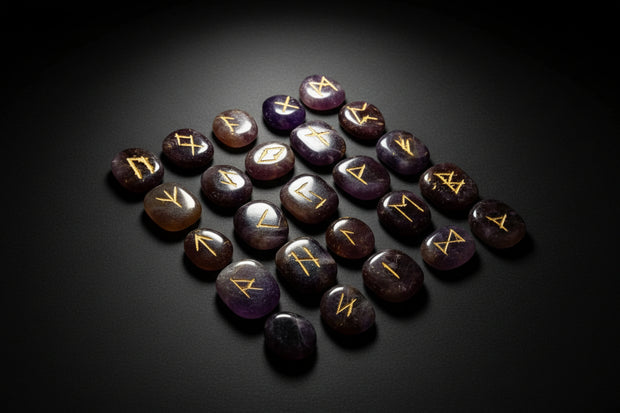
Modern rune divination often uses the Elder Futhark, a historical runic alphabet interpreted through contemporary esoteric methods. A Rainbow Moonstone Elder Futhark rune set provides physical pieces for casting or drawing, but the stone material does not replace studying the rune names, sounds, and historical context.
Pendulums
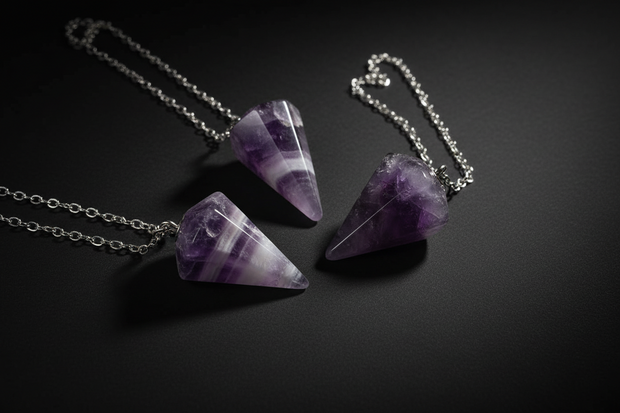
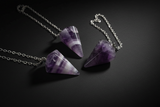
A pendulum uses small movements that can be affected by the ideomotor effect—unconscious muscular motion shaped by expectation. A Rainbow Moonstone pendulum can support a structured exercise, but its answers should not be treated as independent proof. Read How to Use a Pendulum before relying on yes-or-no conventions.
Scrying
Scrying uses a dark mirror, water, crystal surface, or another low-detail field to support sustained observation and imagery. A black obsidian scrying mirror provides a dedicated reflective surface. Perceived shapes may arise from ordinary visual adaptation and imagination, so record them without assuming an external message.
How to Choose a Divination Tool
- Choose tarot if you enjoy detailed visual systems and story-building.
- Choose oracle cards if you prefer a deck-specific theme with fewer structural rules.
- Choose runes if you enjoy language, history, compact symbols, and tactile casting.
- Choose a pendulum if you want to study question wording and unconscious movement.
- Choose scrying if you are comfortable with quiet observation and ambiguous imagery.
Begin with one method. Buying several systems at once can scatter attention and make it harder to learn whether the practice is useful.
A Grounded Beginner Practice
- Choose a low-stakes question about reflection rather than prediction—for example, “What factor have I overlooked?”
- Write your current opinion before using the tool.
- Draw one card, one rune, or make one brief observation.
- Describe the symbol literally before interpreting it.
- Write at least two possible meanings, including one that challenges your preference.
- Choose a practical action that does not depend on supernatural certainty.
- Review the entry later and note what was useful, vague, or influenced by hindsight.
For rune-specific technique, see How to Read Runes for Beginners. For mirror work, use How to Use a Scrying Mirror.
How to Reduce Bias and Overreliance
- Do not repeat the same question until a preferred answer appears.
- Record the reading before the outcome is known.
- Use specific time frames and avoid vague claims that fit almost anything.
- Do not read another person’s private thoughts or consent as if the tool grants access.
- Compare interpretations with ordinary evidence and qualified advice.
- Take breaks if readings increase anxiety, compulsive checking, paranoia, or loss of sleep.
- Never use divination to replace emergency care, medical diagnosis, legal counsel, or financial due diligence.
Tool Care and Storage
Keep decks dry and away from direct sunlight. Store runes where pieces cannot be lost or swallowed by children or animals. Hang or cushion pendulums to prevent tangled chains and chipped points. Keep mirrors covered when stored to reduce scratches; covering has a practical purpose even if the practitioner also gives it symbolic meaning.
Frequently Asked Questions
Which divination method is easiest for beginners?
Oracle cards often require less memorization, while tarot provides more shared learning resources. Ease depends on the reader’s learning style.
Can divination predict the future?
Practitioners interpret that question differently, but no method guarantees accurate prediction. Treat results as possibilities or prompts rather than certainty.
Can I use more than one method?
Yes, but learn one system well enough to understand its strengths and biases before combining tools.
What if a reading is frightening?
Stop, return to ordinary evidence, and avoid making urgent decisions based on the reading. Seek support if the fear persists or affects daily functioning.
Related Reading
Tools for this practice
Explore the products selected for this guide. Review each listing for what is included and how to use it.
Shop this guide · 4 items Collapse



Keep exploring the shop
You made it to the end of the guide. Keep exploring through related products, major departments, or the full catalog.


Leave a comment