


What Is an Oddity? A Guide to Curios, Bone Art, Natural Specimens, Ethical Sourcing, and Responsible Collecting

“Oddity” is a broad retail and collecting term rather than a precise scientific category. It may refer to animal bones, ethically sourced insects, preserved botanical specimens, shed antlers, fossils, antique medical objects, unusual natural formations, bone art, taxidermy, or handmade curios that combine several materials.
The category is fascinating because it brings natural history, mortality, craftsmanship, folklore, and display together. It is also a category where attractive objects can carry legal, ethical, and preservation problems that are invisible at first glance.
Responsible collecting begins with provenance: knowing what an object is, where it came from, whether it can legally be possessed and sold, and how it was prepared.
What Counts as an Oddity?
- Natural specimens: Bones, teeth, shells, antlers, insects, nests, feathers, plants, minerals, and fossils.
- Prepared specimens: Taxidermy, wet specimens, pinned insects, cleaned skeletons, osteological mounts, and preserved botanicals.
- Bone and specimen art: Works that incorporate legally sourced natural remains into sculpture, jewelry, frames, reliquaries, or mixed media.
- Medical and scientific curios: Antique instruments, anatomical models, teaching objects, glassware, and ephemera.
- Folk and ritual curios: Handmade objects whose meaning comes from a tradition, story, devotional use, or protective practice.
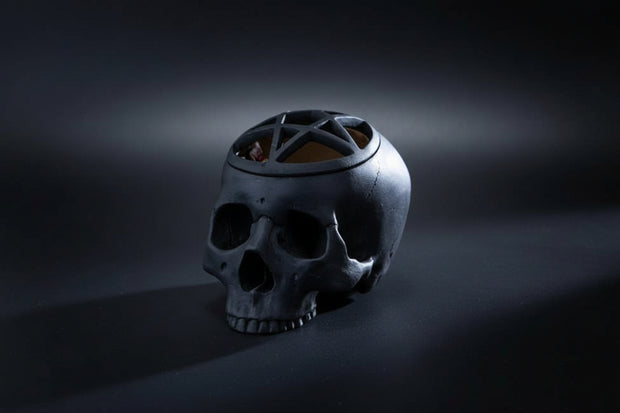
- Artificial oddities: Resin replicas, fantasy taxidermy, faux bones, cast skulls, and constructed specimens that create the look without using protected natural material.
An oddity does not need to contain animal remains. A strange historical object, unusual cast, handmade reliquary, or carefully constructed piece of dark art can belong in the category.
Ethical Sourcing Is More Than “Found Naturally”
“Found,” “ethically sourced,” and “cruelty-free” are useful claims only when the seller can explain them. An animal part may have been naturally shed, found after death, obtained from regulated hunting, sourced from food production, transferred from an old collection, or purchased from a licensed breeder. Those routes are not legally or ethically equivalent.
A responsible seller should be willing to identify the species when possible and describe the source. Vague claims become especially concerning when an item involves birds of prey, migratory birds, bats, marine mammals, endangered species, protected plants, archaeological material, or wildlife imported from another country.
Wildlife Law Can Be Counterintuitive
Finding a feather, nest, skull, or dead animal does not automatically make it legal to keep or sell. In the United States, federal laws protect many native migratory birds and generally restrict possession of their feathers, bones, eggs, nests, and other parts without authorization. Bald and golden eagles receive additional protection. International trade may also involve the Convention on International Trade in Endangered Species of Wild Fauna and Flora, commonly called CITES.
State laws can be stricter than federal rules, and public lands may prohibit collection even when the species itself is not otherwise restricted. Fossils, archaeological materials, marine mammal parts, and state-regulated game species each have their own rules.
Before acquiring or selling a natural specimen:
- Identify the species as accurately as possible.
- Record where and when it was obtained.
- Confirm whether possession, sale, transport, or import is restricted.
- Keep receipts, permits, breeder records, import documents, or transfer history.
- Check both federal and state requirements.
- Do not rely on a marketplace listing as proof of legality.
For current federal guidance, consult the U.S. Fish & Wildlife Service Office of Law Enforcement and the agency responsible for wildlife in your state. This article is educational and is not legal advice.
Questions to Ask Before Buying
- What species is this? “Bird skull” or “animal bone” is not enough when laws differ by species.
- Where did it originate? Domestic, imported, farmed, hunted, naturally shed, antique, and captive-bred materials may be regulated differently.
- How was it obtained? Ask for more than a decorative label.
- Is documentation included? The more sensitive the material, the more important the record.
- How was it cleaned or preserved? Improper chemical use, residual tissue, grease, or insect activity can create health and storage problems.
- Has it been repaired or reconstructed? Honest restoration is acceptable; undisclosed fabrication is not.
Antique Does Not Automatically Mean Legal
Age can affect the law, but “vintage” is not a universal exemption. Some wildlife laws include specific antique exceptions with documentation requirements, while others continue to restrict possession or sale. An object can also be old without being old enough to qualify.
Collectors should be cautious when a seller uses age as the only explanation for missing provenance.
Cleaning and Handling Natural Specimens
Wear disposable gloves when the preparation history is unknown. Wash hands after handling. Do not use household bleach on bone; it can damage the material and make it brittle. Avoid boiling, which can drive grease into bone and weaken fine structures.
Do not attempt to open, drain, or repair a wet specimen without understanding the preservative. Older preparations may contain hazardous chemicals. Leaking jars, cloudy fluid, cracked seals, strong chemical odors, or corroded lids require specialist attention.
Insects and organic specimens should be monitored for dermestid beetles, clothes moths, mold, and moisture damage. Isolate a new acquisition before placing it beside an established collection.
Displaying Oddities Safely
- Keep fragile specimens out of direct sunlight.
- Use stable stands and museum putty where appropriate.
- Protect small bones and insects from vibration and accidental handling.
- Keep organic materials dry and away from food preparation areas.
- Label specimens with species, source, artist, and date when known.
- Do not place candles, incense, or charcoal beneath preserved material.
- Keep hazardous or sharp objects away from children and animals.
A glass-front cabinet reduces dust and handling. Shadow boxes work well for lightweight art and specimens, provided the materials are archival and the object is not compressed.
Respect for Human Remains and Cultural Material
Human remains require an entirely different level of legal and ethical care. Laws governing possession and transfer vary, institutions increasingly emphasize repatriation, and Indigenous cultural items may fall under specific protections. A responsible shop should not treat human remains or culturally sensitive funerary material as casual décor.
Likewise, ritual objects from living cultures should not be stripped of identity and sold under vague labels such as “tribal” or “shamanic.” Documentation and cultural context matter.
Better Alternatives When Provenance Is Unclear
Replicas, casts, responsibly sourced domestic animal bone, naturally shed antler with clear provenance, resin skulls, botanical art, and fantasy specimens can provide the visual character of an oddities display without relying on questionable wildlife material.
Handmade work from a transparent artist may be more meaningful than an anonymous imported specimen. Browse Arcane Tools & Artifacts and Home Décor Accents for unusual objects that can be evaluated by material, maker, and intended use.
A Collection Should Be Explainable
The best oddities collection is not the one with the rarest or most shocking object. It is the one the collector can explain: what each item is, why it matters, how it was obtained, and how it is being preserved.
Curiosity and responsibility belong together. Ask questions before purchasing, keep documentation, respect wildlife and cultural law, and choose replicas when the history of a natural specimen cannot be verified.
Tools for this practice
Explore the products selected for this guide. Review each listing for what is included and how to use it.
Shop this guide · 4 items Collapse



Keep exploring the shop
You made it to the end of the guide. Keep exploring through related products, major departments, or the full catalog.
 RELATED TO THIS GUIDE
Crystals & Stones
Shop this topic
RELATED TO THIS GUIDE
Crystals & Stones
Shop this topic


Leave a comment