


When Protection Becomes Fear: Avoiding Anxiety, Scams, and Endless Spiritual Purchases

Protection is a normal concern in many spiritual and magical traditions. It can involve prayer, cleansing, boundaries, household customs, protective symbols, or a ritual that helps a person mark the end of a difficult experience.
Protection becomes harmful when every inconvenience is treated as evidence of attack and every new fear requires another purchase, reading, or ritual. This article is a practical way to recognize that shift and interrupt it.
What a Bounded Protection Practice Looks Like
A bounded practice has a defined reason, a proportionate response, and a stopping point. You identify the concern, handle ordinary safety issues, choose one appropriate spiritual action if desired, and return to daily life.
For example, after conflict in a household, someone might lock the doors, communicate a boundary, clean the room, perform a familiar cleansing practice, and decide the matter is closed. The spiritual act supports the boundary; it does not replace it or require constant escalation.
Signs That Protection Has Become a Fear Loop
- Ordinary setbacks are repeatedly interpreted as curses, attachments, or attacks.
- One ritual provides relief only until the next alarming post, reading, or sales message.
- You feel compelled to add layers of products “just in case.”
- A reader or seller identifies a frightening condition and immediately sells the only cure.
- You seek repeated readings on the same question but become less able to decide.
- Protection spending is affecting essential expenses.
- Sleep, work, relationships, or the ability to leave home are being disrupted.
These signs do not prove anything about a spiritual belief. They show that the current response is no longer creating safety.
The Curse-and-Cure Sales Pattern
One of the clearest retail red flags is a person who declares that you are cursed, surrounded by enemies, or in immediate spiritual danger and then offers a costly product or service available only through them.
The pattern often escalates: the first cleansing reveals a deeper problem; the second payment uncovers another blockage; hesitation is framed as proof that the influence is fighting back. The claim is structured so it cannot be disproved and the sale has no natural endpoint.
No occult retailer or reader should need to frighten you into an urgent purchase. Step away from anyone who creates the emergency and controls the only solution.
A Five-Step Reset
- Check immediate physical safety. Lock doors, document harassment, address fire or health hazards, and contact appropriate help when necessary.
- List ordinary explanations. Fatigue, conflict, finances, illness, a broken object, or coincidence may require direct action.
- Reduce inputs. Pause repeated readings, alarming videos, and advice from people who profit from escalation.
- Choose one bounded spiritual action. If it is part of your practice, use a familiar prayer, cleansing, ward, or grounding ritual with a clear beginning and end.
- Set a review point. Decide in advance when you will reassess based on observable facts—not a new wave of anxiety.
If You Decide to Use a Protection Tool
Choose by function. A candle can mark the duration of a prayer. A household wash can accompany ordinary cleaning. A charm can remind you of a boundary. An oil may be used within a specific anointing practice, subject to skin and material safety.
Do not buy several products simply because their names sound stronger. Our comparison of protection, Fiery Wall, Evil Eye, and astral-defense oils explains how labels differ so readers can avoid redundant purchases. For low-cost household approaches, see simple protection practices for the home.
A tool should support a decision you have already made. It should not be used to manufacture a danger that requires the tool.
When to Seek Additional Support
If fear is persistent, overwhelming, or interfering with sleep, finances, relationships, or basic activities, talk with a trusted person and consider qualified mental-health support. Seeking practical care does not require abandoning a spiritual identity.
The aim of protection is greater steadiness and agency. If a practice consistently leaves you more frightened, more dependent, and less able to act, the next protective step may be to stop.
Tools for this practice
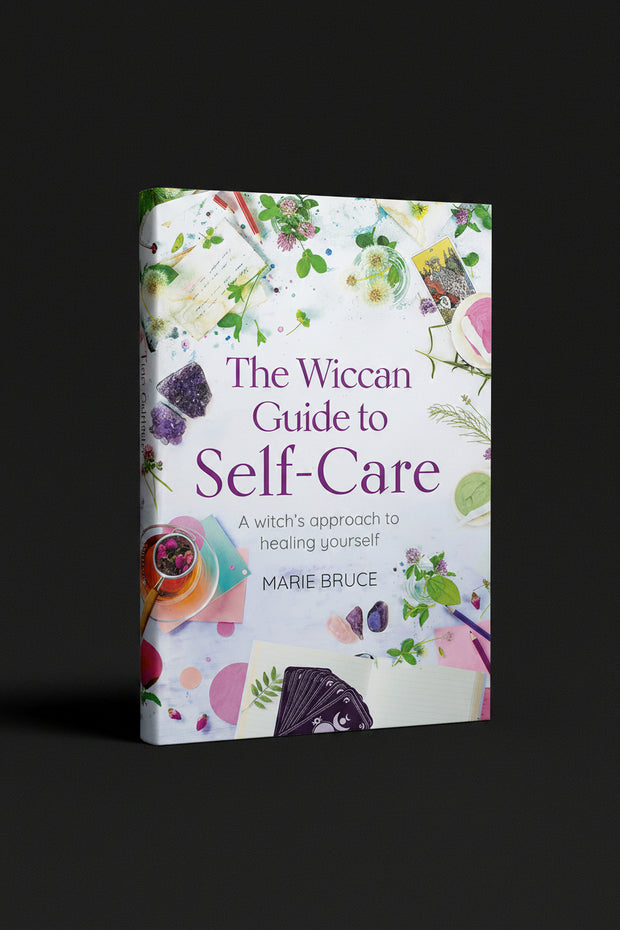
Explore the products selected for this guide. Review each listing for what is included and how to use it.

Shop this guide · 2 items Collapse


Keep exploring the shop
You made it to the end of the guide. Keep exploring through related products, major departments, or the full catalog.


Leave a comment