


CURATED BY AMERICAN OCCULTIST
Home Warding Sigil Supplies
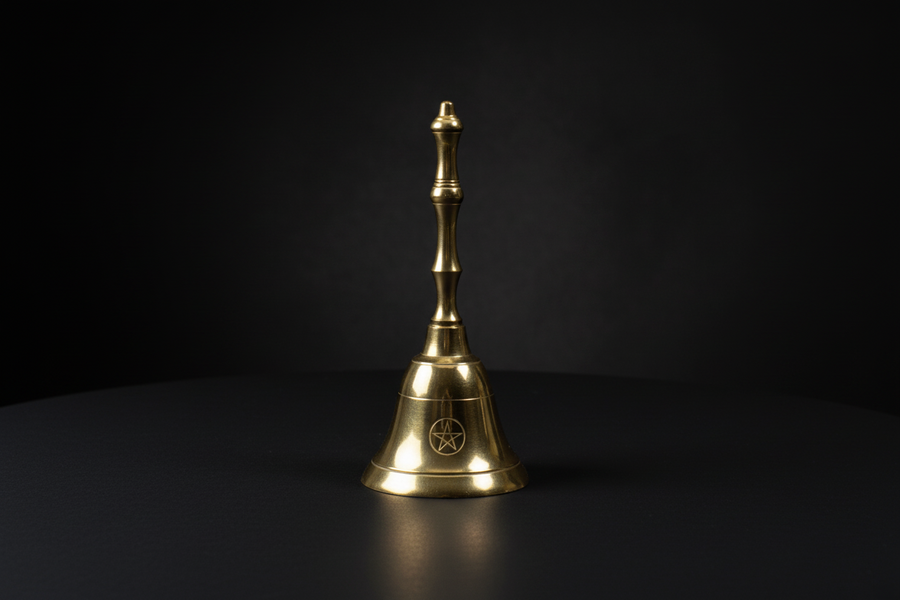
A home warding sigil can be drawn on ordinary paper; a physical sigil-making tool is optional. Some practitioners combine a paper symbol with a bell, stone, ritual salt, or ironwork to mark a doorway or personal boundary. These are symbolic traditions, not replacements for locks, alarms, or other...

Choosing the right tools +
A home warding sigil can be drawn on ordinary paper; a physical sigil-making tool is optional. Some practitioners combine a paper symbol with a bell, stone, ritual salt, or ironwork to mark a doorway or personal boundary. These are symbolic traditions, not replacements for locks, alarms, or other real-world security measures.
What do I need to start?
Begin with a sheet of paper or a small journal and a clear intention. The selection below adds sigil-making tools, mini petition paper, compact symbolic stones and physical door or altar items for those who want them. You do not need to purchase all of these items, and the American Occultist logo merchandise is not a sigil-making supply.
How should I display the work?
Choose a dry, stable location appropriate for the material. Keep sharp iron spikes away from children and pets, and avoid attaching heavy objects over entrances where they might fall. Follow the instructions on any oils, salts or herbs before handling them.
Where to place symbols without damaging a doorway
A renter might prefer a removable paper design or a freestanding bell, while someone with a permanent dedicated ritual space may display a tile or a securely mounted piece. Skeleton keys and iron spikes should be regarded as separate symbolic objects, not necessary parts of a sigil. Do not install sharp metal where a person could step on or brush against it. For the difference between a symbol and a physical lock, see our home protection sigil guide.




KEEP EXPLORING
Follow your curiosity
Continue shopping, discover a related practice, or explore our educational journal before choosing.
Read Ink & Ash ↗