19 Worldwide Shoppers In Store

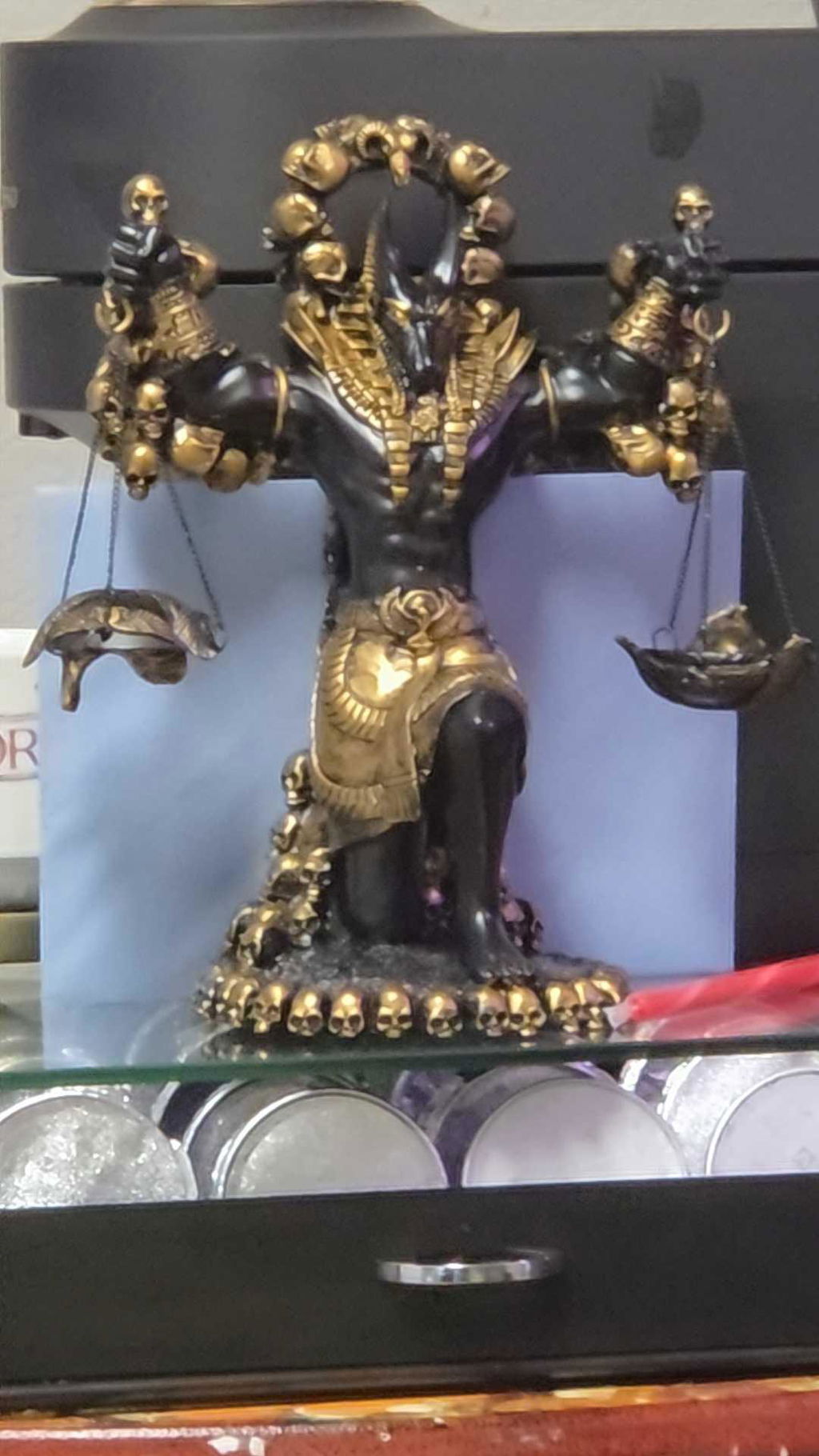
Anubis Statue – Egyptian God of the Underworld

$64.95

Statues are used as symbolic focal points to support intentional practice, reflection, or ritual engagement. They provide a consistent visual presence that helps anchor meaning, attention, and space over time.

"Honor the divine protector of the afterlife with the majestic presence of Anubis."

The Anubis Statue – 8.8" Egyptian God of the Underworld is a powerful and majestic representation of Anubis, the ancient Egyptian deity known as the guardian of the dead and protector of the underworld. This intricately crafted statue stands at 8.8 inches tall, making it a striking addition to any altar, sacred space, or spiritual practice. Anubis is revered for his role in guiding souls to the afterlife, providing protection and guidance during the transition between life and death.

This statue captures the essence of Anubis with remarkable detail, showcasing his iconic jackal-headed form. Whether you’re seeking to honor the Egyptian pantheon, perform rituals, or simply connect with the energies of the underworld and protection, this statue serves as a potent focal point in your spiritual work.

  • Symbol of Protection – Anubis is known for his protective qualities, safeguarding the souls of the departed and providing spiritual guidance
  • Divine Presence – The 8.8" size and detailed design make this statue a powerful addition to any altar or sacred space, bringing Anubis' energy into your rituals
  • Ancient Egyptian Spirituality – A revered deity in Egyptian mythology, Anubis represents the transition between life and death, making this statue ideal for those working with ancestral or death rituals
  • Ritual Tool – Perfect for use in rituals, offerings, or spiritual devotion to invoke the protective and transformative energies of Anubis
  • Durable & Sacred – Made from high-quality materials, this statue is designed to last, holding the powerful energies of Anubis for many years

Use the Anubis Statue to honor the god of the underworld, invite protection into your space, and deepen your connection to ancient Egyptian spirituality. Whether as a focal point in rituals or as a permanent addition to your altar, Anubis will bring his powerful energy and wisdom into your practice.

"Let the divine protector, Anubis, guide your rituals, offer spiritual protection, and illuminate the path between life and the afterlife."

Provides a physical focal point for intentional space

Provides a physical focal point for intentional space

Offers a defined visual anchor that helps center attention during reflection, ritual, or contemplative use

Supports symbolic representation without abstraction

Supports symbolic representation without abstraction

The form allows ideas, principles, or archetypes to be engaged through a tangible presence rather than imagination alone

Encourages consistency within a dedicated space

Encourages consistency within a dedicated space

Placement of a statue helps establish continuity in altars, workspaces, or personal practice areas

Integrates visual symbolism into daily or repeated use

Integrates visual symbolism into daily or repeated use

Serves as a steady reference point that reinforces intention through repeated observation

Functions as a working object, not decoration alone

Functions as a working object, not decoration alone

Designed to be positioned, engaged with, and incorporated intentionally—not treated as purely ornamental

Working With A Statuary

What are statues used for?

They are used as symbolic focal points for reflection, ritual, or intentional space-setting.

Do statues produce effects on their own?

No. Statues do not act independently—they support focus, symbolism, and intentional engagement.

Do statues require worship?

No. Statues can be used symbolically without devotional or religious practice.

Can statues represent more than one meaning?

Yes. Meaning is assigned by the user and may evolve with use.

Where are statues typically placed?

They are commonly placed on altars, shelves, desks, or dedicated spaces.

Are these statues decorative?

While visually striking, they are intended for intentional placement and use rather than decoration alone.