


Ancestor Work When Family History Is Complicated: Chosen Ancestors, Boundaries, and Remembrance

Ancestor work is often described as though everyone has a warm family history, a complete genealogy, and relatives they are eager to honor. Real families are more complicated. A person may be adopted, estranged, descended from people who caused harm, disconnected from cultural records, or uncertain whether any form of ancestor practice feels safe.
You do not have to romanticize your bloodline to build a meaningful practice of remembrance. You also do not have to forgive abuse, contact living relatives, claim traditions you did not inherit, or treat every deceased family member as a spiritual authority. Ancestor work can be selective, symbolic, historical, devotional, or absent entirely.
What ancestor work can mean
Ancestor work is an umbrella term for practices that remember, study, honor, or ritually acknowledge people who came before us. Depending on the practitioner, that may include:
- Remembering deceased relatives through photographs, names, recipes, stories, or annual observances.
- Researching family history without assigning spiritual authority to every ancestor.
- Honoring cultural, artistic, professional, queer, community, or chosen ancestors.
- Maintaining a memorial space for people whose influence shaped your life.
- Reflecting on inherited patterns you want to continue, repair, or end.
For a conventional memorial setup, see How to Build an Ancestor Altar: Remembrance, Offerings & Respect. This guide focuses on situations where family history makes that model incomplete or unsafe.
You are allowed to set boundaries with the dead
Death does not erase what a person did in life. A relative who was violent, manipulative, neglectful, or abusive does not automatically deserve a place on your altar. You may omit a name, remove a photograph, decline to make offerings, or end a practice that leaves you distressed.
A boundary statement can be simple: “Only those who wish me well are welcome in this space.” In a secular practice, the same sentence can function as a personal rule about which memories and stories receive attention. Boundaries are not disrespect. They are part of deciding what your sacred or reflective space is for.
Blood relatives are not the only ancestors
Many people honor predecessors connected by influence rather than genetics. These may include adoptive family, chosen family, teachers, mentors, caregivers, community elders, artists, writers, activists, craftspeople, and people from a local community whose labor shaped the place where you live.
Chosen-ancestor practice should not become an excuse to claim someone else’s ethnicity, initiation, or closed religious authority. Admiration creates a relationship of study and gratitude, not ownership.
When genealogy is missing or uncertain
Adoption, migration, enslavement, war, record loss, family secrecy, and changed names can make genealogical research difficult or impossible. You do not need a complete tree before you may remember those who came before you.
You might use a neutral object instead of a named photograph: a candle used safely, a bowl of water, a family-made textile, a copied document, a stone from a meaningful place, or a written phrase such as “the kind and well-intentioned dead whose names I do not know.”
Do not fill gaps by inventing an ethnicity, tribal affiliation, or family tradition. Uncertainty stated honestly is more respectful than a confident story built from wishful thinking.
A practice for complicated ancestry
- Define the purpose. Decide whether the practice is for remembrance, research, grief, gratitude, cultural learning, or breaking harmful patterns.
- Name the boundary. Write down who or what is not welcome in the practice.
- Choose one representative object. Use an item that feels stable rather than emotionally overwhelming.
- Add one action. Read a name, cook a recipe, donate to a relevant cause, tend a grave where permitted, record a story, or sit in silence.
- Close deliberately. Remove food before it spoils, extinguish flames, wash the vessel, and return to ordinary activity.
- Evaluate the effect. A practice should not require you to remain frightened, guilty, or emotionally flooded.
Working with inherited harm
Some lineages contain racism, religious coercion, addiction, abuse, exploitation, or other patterns a descendant does not want to preserve. Ancestor work can acknowledge that inheritance without celebrating it.
A repair-oriented practice might support living people, preserve truthful records, learn the history that relatives concealed, or make a commitment not to repeat a harmful behavior. Ritual language alone does not repair material harm, but it can mark a decision that is then carried into action.
Forgiveness is optional. Reconciliation with living relatives is also optional. Safety comes before a spiritual ideal.
When to step back
Pause if the practice causes persistent panic, nightmares, compulsive checking, severe guilt, or pressure to obey perceived messages. Grief and trauma can intensify spiritual interpretation. A trusted mental-health professional, grief counselor, clergy member, or grounded community elder may help you sort through what the practice is bringing up.
You may also decide that ancestor work is not part of your path. A meaningful spiritual life does not require it. Our guide to taking a break from witchcraft offers a broader framework for stepping back without treating rest as failure.
Frequently asked questions
Do I have to honor every ancestor?
No. You can choose whom you remember and what behavior you refuse to excuse.
Can I honor chosen family?
Yes. Many people build practices around adoptive, community, professional, artistic, or queer lineages rather than blood alone.
What if I do not know any names?
Use a general dedication, a family object, or historical research. Do not invent identities to make the practice feel complete.
Does ancestor work require spirit communication?
No. It may be devotional, memorial, genealogical, psychological, cultural, or entirely secular.
Can I stop after I begin?
Yes. Clean the space, state that the practice is closed, and stop. No ritual relationship should be treated as an inescapable contract.
Create a Boundaried Remembrance Space
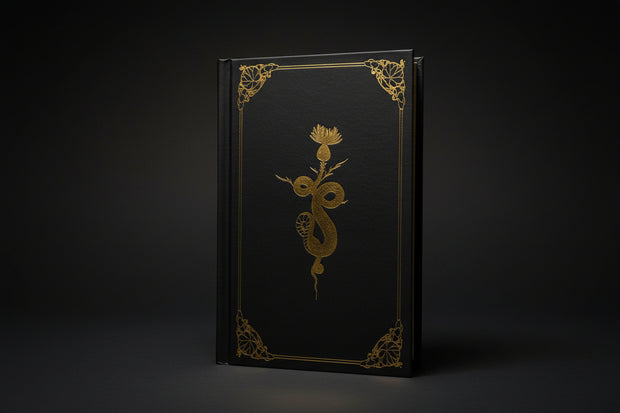
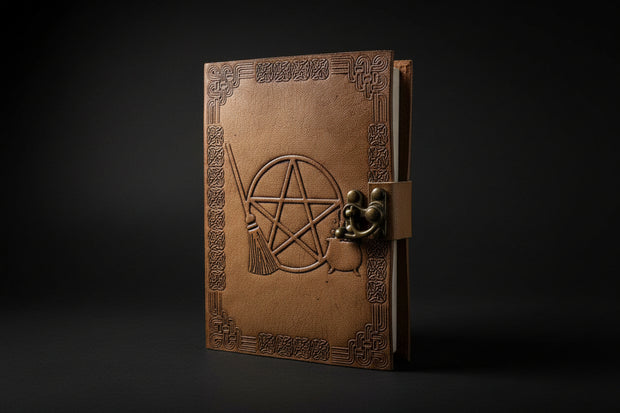
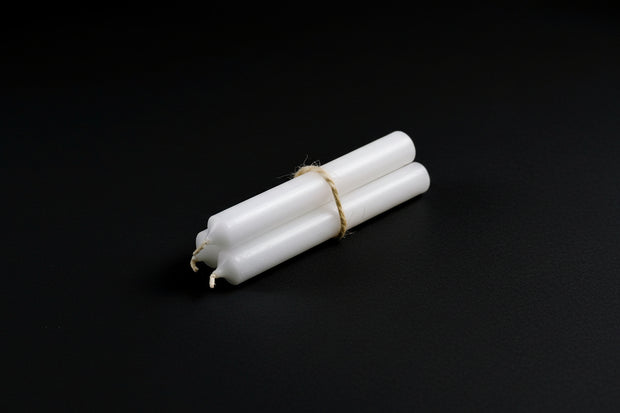
For voluntary memorial practice, explore our Altar Supplies and Candles collection. Use only items that feel supportive and safe; no product obligates you to honor harmful relatives or replaces grief and trauma support.
Tools for this practice
Explore the products selected for this guide. Review each listing for what is included and how to use it.

Shop this guide · 4 items Collapse


Keep exploring the shop
You made it to the end of the guide. Keep exploring through related products, major departments, or the full catalog.
 RELATED TO THIS GUIDE
Ritual Supplies & Altar Tools
Shop this topic
RELATED TO THIS GUIDE
Ritual Supplies & Altar Tools
Shop this topic


Leave a comment