


Taking a Break From Witchcraft: Guilt, Burnout, and Returning to Practice

You are allowed to take a break from witchcraft. You can stop for a week, a season, several years, or permanently. Missing rituals does not make you fraudulent, and exhaustion is not proof that your spiritual life has failed.
People step away because of burnout, illness, grief, religious change, family pressure, unsafe living conditions, lack of privacy, financial strain, disappointment, or a simple need to focus elsewhere. A sustainable practice has room for absence.
Signs You May Need a Break
- Ritual feels like an obligation you fear rather than a choice.
- You perform repeated cleansing or protection to control anxiety.
- You feel guilty whenever you miss a moon phase or holiday.
- Your altar has become a source of chores and shame.
- You are spending more than you can afford.
- You are neglecting sleep, health, work, or relationships.
- You no longer know why you are doing the practice.
- Online arguments and constant spiritual content have exhausted you.
A break can be preventative rather than dramatic. You do not have to reach a crisis first.
Do You Need a Formal Closing Ritual?
No, but a brief closing can help create psychological and spiritual clarity. You might clean the altar, thank any beings you honor, extinguish or switch off the altar light, and state:
“I am placing this practice at rest. I keep what I have learned and release the obligation to continue until I freely choose to return.”
A closing ritual is not a contract. It is a boundary.
What to Do With Ongoing Spellwork
Review jars, candles, petitions, charms, offerings, and long-term workings before stepping away.
- Complete: Close work that has reached its goal.
- Pause: Store stable, safe objects that do not require maintenance.
- Dismantle: End work you no longer want to support.
- Dispose: Remove spoiled, leaking, burning, hazardous, or pest-attracting materials.
- Delegate: Where appropriate, ask a trusted person to handle practical altar care.
For long-term jars, see The Complete Life Cycle of a Spell Jar.
How to Store an Altar During a Break
You may leave the altar in place, simplify it, cover it, or pack it away. Clean food and liquid offerings first. Extinguish flame, remove perishable materials, and store tools safely.
A simple storage method:
- Photograph the arrangement if you want to remember it.
- Clean each item according to its material.
- Label fragile, sharp, botanical, or special-purpose objects.
- Wrap items to prevent damage.
- Store everything in a dry, secure place.
- Keep a written inventory if the collection is large.
Our guide to storing witchcraft supplies covers herbs, crystals, tools, and altar boxes.
Will a Deity or Spirit Be Angry?
Beliefs differ by tradition, and specific vows should be treated according to the religious context in which they were made. However, ordinary devotional practice is not the same as an irreversible oath. You can explain that you are reducing or pausing offerings and close respectfully.
Do not let an online reader frighten you into paying for a ritual because a deity is supposedly furious that you missed a candle or offering. Fear-based dependency is a warning sign.
If you made a serious formal vow, consult knowledgeable members or clergy within that specific tradition rather than relying on generic advice.
You Do Not Need to Practice Secretly at Any Cost
Sometimes a break is the safest choice. If disclosure could threaten housing, employment, family safety, custody, or physical security, you are not obligated to maintain visible tools or rituals. A hidden journal or silent prayer may be enough—or you may stop entirely until conditions change.
Taking a Break From Spiritual Content
You may need distance from social media more than from your personal practice. Consider unfollowing accounts that create fear, comparison, consumer pressure, or constant urgency.
- Mute “sign” and prediction content.
- Stop collecting correspondence lists you never use.
- Avoid repeated pick-a-card readings.
- Leave groups that punish questions.
- Set a spending freeze on ritual supplies.
- Return books to the library and let your reading list rest.
A Break Is Not the Same as Losing Belief
Belief and practice can change at different speeds. You may still believe while doing nothing. You may continue ritual while questioning belief. You may return with a different understanding or decide not to return at all.
Do not force certainty simply to preserve an identity.
What to Do During the Break
You do not need to replace witchcraft with another self-improvement project. Ordinary life is enough. Rest, seek treatment, spend time with people, work, make art, clean, read unrelated books, care for the body, or simply stop thinking about spirituality for a while.
If you want a minimal thread of connection, choose one optional practice:
- Notice the season.
- Keep one meaningful object.
- Say a brief prayer when it feels natural.
- Journal only when something matters.
- Visit nature without turning every experience into a sign.
How to Know Whether You Want to Return
Return because curiosity, meaning, devotion, or desire has reappeared—not because guilt became unbearable. Ask:
- What part of the old practice actually helped me?
- What created pressure or fear?
- Which beliefs have changed?
- What level of time, money, and energy is realistic now?
- What boundaries will prevent the same burnout?
A Gentle Return Plan
- Choose one practice rather than restoring everything.
- Set a small time limit, such as five minutes once a week.
- Use the tools you already own.
- Delay purchases for thirty days.
- Keep divination questions limited and specific.
- Review after one month.
Our Low-Energy Witchcraft guide offers simple options for returning without recreating a demanding routine.
When the Break Reveals a Larger Problem
Seek appropriate support when fear, compulsive ritual, intrusive thoughts, financial harm, sleep disruption, or isolation continue even after stepping back. Spiritual practice can coexist with therapy, medical care, financial counseling, legal assistance, and crisis support.
Frequently Asked Questions
Do I need to cleanse every tool before storing it?
No. Clean items physically and use a brief spiritual closing only when it is meaningful to you. Do not create hours of extra work out of fear.
Will my tools stop working?
Tools can be cleaned, reconsecrated, or reintroduced when you return. Storage does not make them dangerous.
Can I leave an altar unattended?
Remove flame, food, water, plants requiring care, unstable containers, and anything accessible to children or animals. A dry, safe display can remain if you choose.
What if I never come back?
That is allowed. You may donate, sell, repurpose, or responsibly dispose of supplies when you are ready.
You Are More Than Your Practice
Witchcraft can be meaningful without becoming an obligation that controls your identity. Pause when you need to. Return differently, or do not return. A practice chosen freely is stronger than one maintained through fear.
Store Tools Safely While You Rest
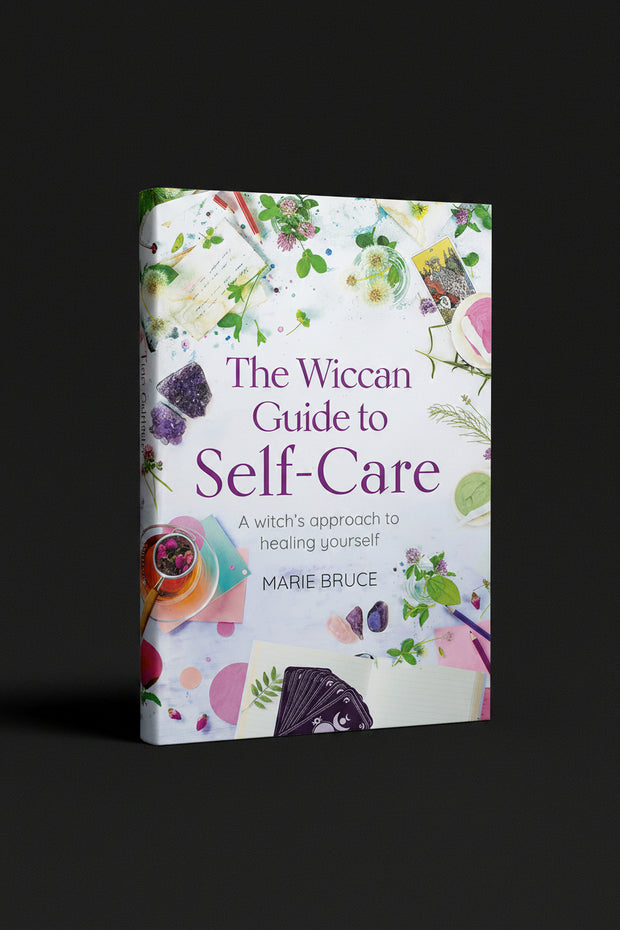
When packing away a practice, our Storage Chests collection can help protect stable tools, and Wiccan Guide to Self-Care offers optional reflective reading. You do not need to buy anything or return to practice before you are ready.
Tools for this practice
Explore the products selected for this guide. Review each listing for what is included and how to use it.
Shop this guide · 1 item Collapse

Keep exploring the shop
You made it to the end of the guide. Keep exploring through related products, major departments, or the full catalog.


Leave a comment