


How to Build an Ancestor Altar: Remembrance, Offerings & Respect

An ancestor altar is a space for remembrance, family history, grief, gratitude, prayer, or culturally specific veneration. It may honor biological relatives, adoptive family, chosen family, community elders, unnamed predecessors, or people whose work shaped the practitioner’s life.
There is no single universal ancestor tradition. Practices differ across cultures, religions, families, and lineages. A responsible altar does not combine sacred customs from unrelated communities as if they were interchangeable or ancient everywhere.
Decide Who and What the Altar Honors
- A specific deceased relative or loved one
- Several family members represented together
- Chosen family, mentors, artists, or community ancestors
- Known names from genealogical research
- Unnamed ancestors represented without invented personal details
- A memorial practice centered on grief rather than spiritual communication
Family relationships can include harm, estrangement, adoption, secrecy, and incomplete records. No one is obligated to honor an abusive person, disclose private family information, or treat biological ancestry as more important than chosen bonds.
Common Ancestor Altar Items
Names, Photographs, or Written Remembrance
Use copies rather than irreplaceable originals near candles, water, incense, or direct sunlight. A written name, copied recipe, family saying, or blank card for unknown ancestors can replace a photograph.
Altar Cloth
A cloth can define the memorial space and protect the surface. The Good Death memorial altar cloth is a relevant option for an explicitly funerary or remembrance-focused setting. Keep all fabric away from flame and hot vessels.
Water or Libation Vessel
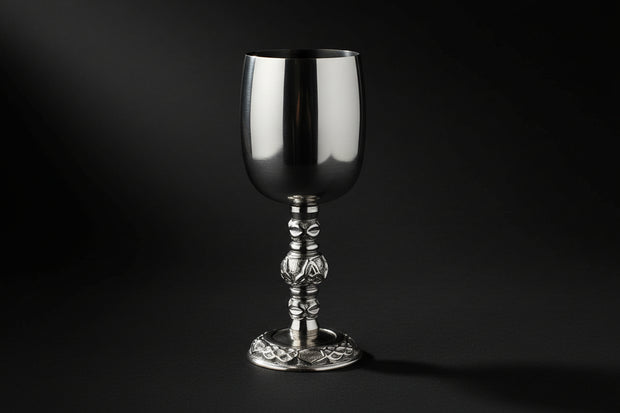
Clean water is a simple offering and can be replaced regularly. A small unmarked stainless steel chalice provides a neutral vessel. Do not use alcohol where it conflicts with recovery, health, age, household rules, or the person being remembered.
Candle or Light
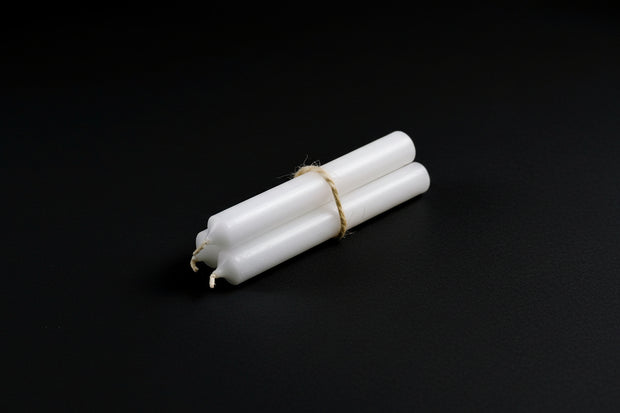
A white chime candle may symbolize remembrance, clarity, or presence. An LED candle is safer around photographs, children, pets, cloth, shared housing, or long periods of reflection.
Personal Objects
Copies of letters, jewelry, music, tools, recipes, or ordinary objects may carry family meaning. Do not place stolen, contested, hazardous, or irreplaceable property on the altar.
A Practical Ancestor Altar Layout
- Place names or copied photographs at the back, away from liquid and flame.
- Set one stable light source with generous clearance.
- Keep the water vessel toward the front where it can be replaced without reaching across the display.
- Use a small plate for temporary food offerings.
- Leave open space for cleaning and adding a journal or family-history notes.
- Store original documents separately in archival conditions.
Offerings, Fragrance, and Ritual Oil
Offerings may include water, a small portion of familiar food, flowers, music, reading a name aloud, caring for a grave lawfully, preserving family history, or performing an act of service.
Ancestor Ritual Oil is an optional symbolic tool. Follow its label, do not ingest it, and keep it away from flames, photographs, cloth, and porous heirlooms. It should not be applied to a grave marker, historic object, or another person’s property without permission.
For detailed food and libation guidance, read How to Make Offerings to Deities and Ancestors.
Safe Disposal and Maintenance
- Replace water before it becomes stale or contaminated.
- Remove food promptly and discard it before spoilage or pests appear.
- Do not leave food outdoors where it may harm wildlife or create litter.
- Allow candle holders and incense ash to cool fully before cleaning.
- Dust photographs and objects using methods appropriate to their materials.
- Do not bury glass, metal, salt, oil, wax, plastic, or non-biodegradable objects.
Disposal is not disrespectful. Responsible cleanup protects the household and the objects being preserved. See Proper Disposal of Ritual Remnants for additional guidance.
Discernment and Claims of Communication
Dreams, memories, coincidences, sounds, candle movement, and strong emotions may feel meaningful during remembrance. They are not automatic proof of a message from the dead. Record the experience, consider ordinary explanations, and avoid major decisions based only on an impression.
Do not let a reader, medium, or spiritual leader use alleged ancestor messages to demand money, secrecy, obedience, sexual access, or separation from supportive people.
Respecting Cultural Context
- Begin with documented family, religious, and community practices when available.
- Distinguish personal inventions from inherited tradition.
- Do not copy restricted rites, titles, or sacred objects from communities to which you do not belong.
- Use accurate names and sources instead of calling every memorial custom “ancient.”
- Respect cemetery rules, grave ownership, privacy, and local law.
Frequently Asked Questions
Can I make an ancestor altar if I do not know my family history?
Yes. Use a blank card, general statement of remembrance, chosen-family focus, or family-history research without inventing names or cultures.
Do ancestors need daily offerings?
No universal schedule exists. Choose a sustainable practice and remove perishable material promptly.
Can I honor someone who was not related to me?
Yes, when done respectfully. Mentors, artists, community elders, and chosen family may be remembered without claiming a biological or cultural relationship that did not exist.
What if family memories are painful?
Leave harmful individuals off the altar, limit the practice, or focus on chosen family and supportive lineage. Seek qualified support when grief or trauma becomes overwhelming.
Related Reading
Tools for this practice
Explore the products selected for this guide. Review each listing for what is included and how to use it.
Shop this guide · 4 items Collapse


Keep exploring the shop
You made it to the end of the guide. Keep exploring through related products, major departments, or the full catalog.
 RELATED TO THIS GUIDE
Candles & Incense
Shop this topic
RELATED TO THIS GUIDE
Candles & Incense
Shop this topic


Leave a comment